The thread count printed on a package is one of the least useful numbers in your linen closet. It gets treated like a quality score, climbing from 200 to 1000 as if each rung buys you a softer night. That story is mostly marketing. The question of what thread count is actually best has a plain answer once you stop reading the number as a ranking: it is downstream of two things that decide how a sheet feels, which are the length of the cotton fiber and how the yarn is woven.
Fabric can be judged similarly to flat-pack furniture: not by the glossy finish, but by the hardware holding it together. On a sheet, the hardware is the fiber and the weave. The count is the label on the box.
Key Takeaways
- Fiber quality and weave decide how a sheet feels far more than the number does. A 300-count single-ply long-staple percale can beat an 800-count short-staple sheet.
- Genuine single-ply cotton tops out around 400 to 600 threads per square inch, so counts of 1000 and up almost always mean plied yarns were double-counted.
- Thread count only measures woven cotton. It is close to meaningless for linen, bamboo viscose, and Tencel, which are better described by weight in GSM.
Why higher thread count is not always better
Thread count is a literal tally: the number of threads, both vertical and horizontal, packed into one square inch of woven fabric. Add the ends per inch (EPI) running lengthwise to the picks per inch (PPI) running crosswise, and that sum is your count. A 200-count sheet has roughly 100 threads each way.
So far, so honest. The problem starts when the count outruns physics.
There is a ceiling to how many single strands of cotton you can cram into a square inch before the threads have to get thinner, and thinner threads mean weaker, cheaper fabric. Most weavers hit a practical wall somewhere between 400 and 600 for real single-ply cotton. A genuine 1000-count single-ply sheet is close to a physical impossibility with standard cotton yarn.
A thread count that is too high to be plausible is not a sign of finer fabric. It is a sign that plied yarns are being counted as if they were separate threads.
How the inflation actually works
Here is the trick, and it is not subtle once you know it. A mill takes two, three, or four thin, low-grade strands and twists them into a single yarn. That twisted yarn gets woven as one thread. But when the count is tallied, each of the twisted strands is counted separately.
- A fabric woven at 250 single threads per inch using four-ply yarn can be advertised as 1000 thread count.
- The base cloth is coarser and often made from shorter, cheaper fiber.
- The big number on the front hides a smaller, less flattering one underneath.
There is no single legally standardized method for counting plied yarns in the United States, which is exactly why two sheets labeled 600 can feel like they came from different planets. One brand counts honestly. The other counts every strand in the twist.
This is the same reason your 1000-thread-count sheets can feel worse than a friend’s cheaper set. The high number often correlates with thin, plied, short-staple construction that pills and feels papery, while a modest single-ply count made from good fiber breathes and softens with washing.
What thread count range is actually worth aiming for
If you want a target rather than a myth, aim for single-ply cotton in the 300 to 500 range and stop treating anything above that as an upgrade. Past roughly 600, you are almost always paying for either marketing or plied yarn, not better sleep.
Think of it as diminishing returns with a cliff at the end. The jump from 180 to 300 is real and noticeable. The jump from 400 to 800 is mostly a number on a tag.
The sweet spots by feel
- 200 to 400, percale weave: crisp, cool, hotel-bed feel. Best for hot sleepers and warm rooms.
- 300 to 500, sateen weave: smooth, slightly warmer, with a soft sheen. Best if you want a silkier hand and sleep cool anyway.
- Above 600: read the fiber and ply details closely, because the count alone stopped meaning much here.
The reason a 300-count sheet from one maker can crush an 800-count sheet from another comes down to what the thread is made of. That is the part the number never tells you.
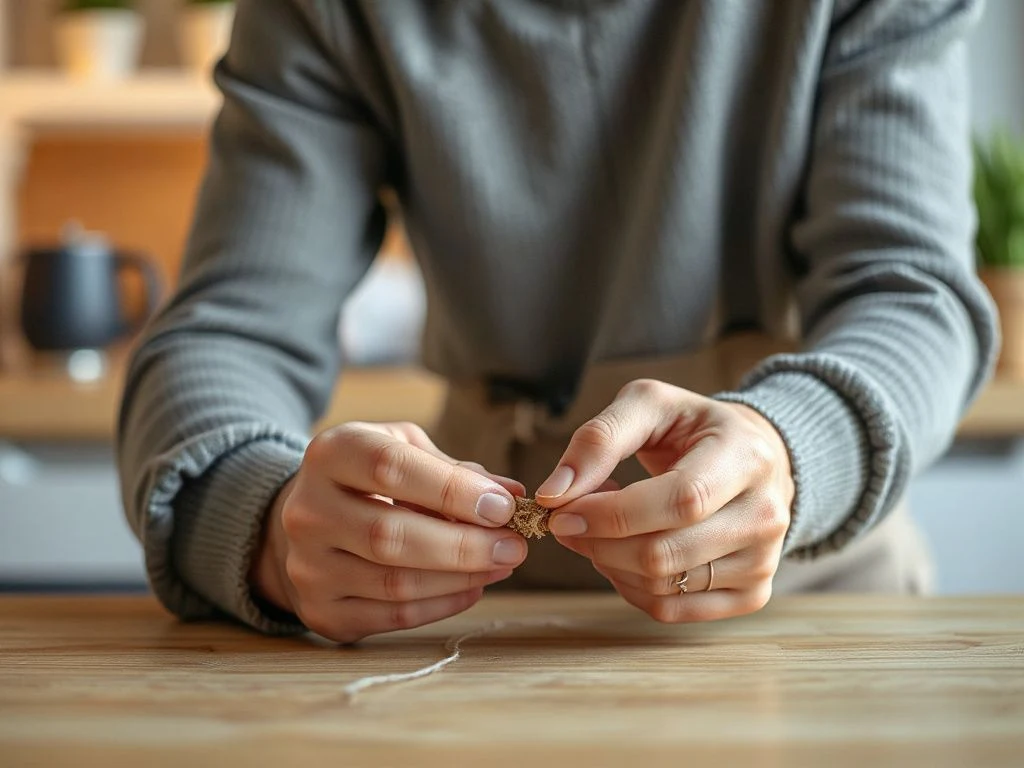
Fiber and staple length matter more than the number
Cotton fibers vary wildly in length, and length is everything. Longer individual fibers, called staples, spin into smoother, stronger, finer yarn with fewer loose ends poking out to cause fuzz and pilling.
Long-staple and extra-long-staple cotton produce yarn that is smoother and more durable than short-staple cotton, which is why staple length predicts sheet quality better than thread count does.
The names worth recognizing
- Egyptian cotton: genuinely extra-long-staple when it is the real thing, though the name is loosely policed and often stamped on blends.
- Pima and Supima: Supima is a trademarked, verified American Pima. The trademark is the accountability that plain “Pima” lacks.
- GIZA 45: a rare, prized Egyptian variety with exceptionally long, fine fibers. Priced accordingly.
- Sea Island cotton: another extra-long-staple heritage fiber, scarce and expensive.
A 300-count sheet spun from Supima will feel finer and last longer than a 700-count sheet made from generic short-staple cotton. Fiber beats number, nearly every time.
Certification helps you trust the rest. A sheet carrying OEKO-TEX Standard 100 has been tested for harmful substances, which tells you nothing about softness but plenty about what is not in the fabric touching your skin all night. For broader guidance on textiles and skin contact, consumer health bodies like the CDC publish general hygiene and allergen information worth a look if you have sensitive skin. The same fiber logic drives towel quality, and our roundup of towel sets for sensitive skin leans on staple length for exactly this reason.
Weave decides feel and temperature more than the count
Two sheets, identical fiber, identical count, can feel like opposites. The weave is why.
Percale versus sateen
Percale is a simple one-over, one-under grid. It produces a matte, crisp fabric that breathes well and sleeps cool. It is the classic hotel sheet, the one that feels fresh and a little structured.
Sateen floats several threads over one before tucking under. That construction exposes more thread surface, which catches light for a subtle sheen and feels smoother and warmer against the skin. It drapes softly rather than crisply.
- Run hot at night? Percale is your weave, and a 300-count percale often beats a 600-count sateen for cooling.
- Want a silky hand and a bit of warmth? Sateen earns its keep.
- The weave choice affects temperature and drape at least as much as the raw number does.
This is the whole reason chasing thread count leads people astray. They buy an 800-count sateen expecting a cloud and get something warm and slippery, when a crisp 300 percale was what their body actually wanted.
Where thread count stops mattering entirely
Thread count is a woven-cotton metric. Drag it onto other materials and it falls apart.
- Linen uses thicker flax fibers and a looser weave by design, so its count is naturally low and irrelevant. Linen is measured by weight, in grams per square meter (GSM).
- Bamboo viscose and Tencel lyocell are often knit rather than woven, and a knit has no meaningful thread count at all. GSM is the number that matters.
- Microfiber is a synthetic measured by fiber fineness (denier), not thread count.
So if a bamboo sheet advertises a thread count, treat it as decoration. For linen, bamboo, and Tencel, fabric weight in GSM is the relevant spec, not thread count. A mid-weight linen around 170 GSM is a sensible target for year-round use.
The care rules shift with the material too, and how you wash a set affects how long it lasts more than the count ever will. Skip the fabric softener on cotton and linen, since it coats fibers and cuts breathability over time.
How to read a label honestly
You can size up a sheet in about thirty seconds if you know the sequence. Independent testing outfits like Consumer Reports have long shown that price and thread count are poor predictors of how sheets actually perform, which lines up with everything above.
- Find the fiber and staple length. Look for long-staple, extra-long-staple, Supima, or a named Egyptian variety. Vague “100% cotton” with no staple claim usually means short-staple.
- Check for single-ply. Single-ply plus a count of 300 to 500 is the honest sweet spot. A four-figure count with no ply information is a red flag.
- Identify the weave. Percale for cool, sateen for silky. If it is not stated, the drape in the photo often gives it away.
- Confirm testing certification. OEKO-TEX Standard 100 signals the fabric was screened for harmful substances.
- Ignore the headline number last. By now the count is just confirming what the fiber and weave already told you.
Is it worth paying more for a 600-count sheet over a 300? Only if the 600 is genuinely single-ply long-staple, which is rare and expensive. More often the honest 300 wins on both feel and durability. That same “read the hardware, not the marketing” habit works for fitting out any room. If you are weighing seating for a kitchen island, the same skepticism runs through our bar stool versus counter stool guide.
Do high counts wear out faster?
Often, yes. Very high counts built on thin, plied, short-staple yarn tend to pill and thin at stress points sooner than a well-made 300-count long-staple percale. Density is not the same as durability. A tightly packed sheet of weak thread is still weak thread, just more of it.
Fiber length is the durability driver. Long-staple yarn has fewer loose ends to work free and fuzz up, so it holds its surface through years of washing. When you are outfitting a guest room where sheets get washed hard between visits, that longevity matters more than a flashy number, and our guest bathroom towel guide follows the same durability-first logic.
Frequently Asked Questions
What thread count is actually best for staying cool at night?
For cooling, aim for a percale weave in the 200 to 400 range made from single-ply long-staple cotton. Percale’s simple grid breathes better than any sateen, and a lower count in a good fiber sleeps cooler than a dense 600-count sateen. The weave choice does more for temperature than the number ever will, so prioritize percale first.
Why do my 1000-thread-count sheets feel worse than cheaper ones?
Almost certainly because the 1000 count is inflated with multi-ply yarn made from short-staple cotton. The mill twisted several thin, cheap strands together and counted each one, producing a coarse, dense, papery fabric prone to pilling. A cheaper 300-count sheet spun from honest single-ply long-staple cotton has smoother, stronger yarn, so it simply feels better.
Does thread count matter for bamboo, linen, or microfiber sheets?
No. Thread count only measures woven cotton. Linen uses thick flax fibers and a deliberately loose weave, so its count is naturally low and beside the point. Bamboo viscose and Tencel are often knitted, which has no thread count at all. For all of these, look at fabric weight in GSM instead, and treat any advertised thread count as marketing.
How can I tell if a thread count claim is honest?
Check whether the label states “single-ply” and names a long-staple fiber like Supima or a specific Egyptian variety. Genuine single-ply cotton tops out near 400 to 600, so a four-figure count with no ply information almost always means plied yarns were double-counted. Honest sheets advertise fiber and construction; inflated ones lead with a number and go silent on everything else.