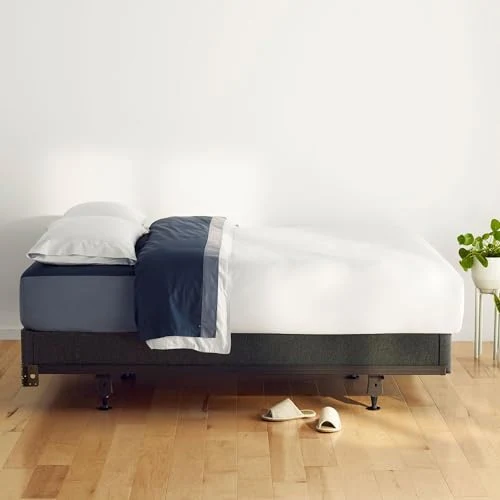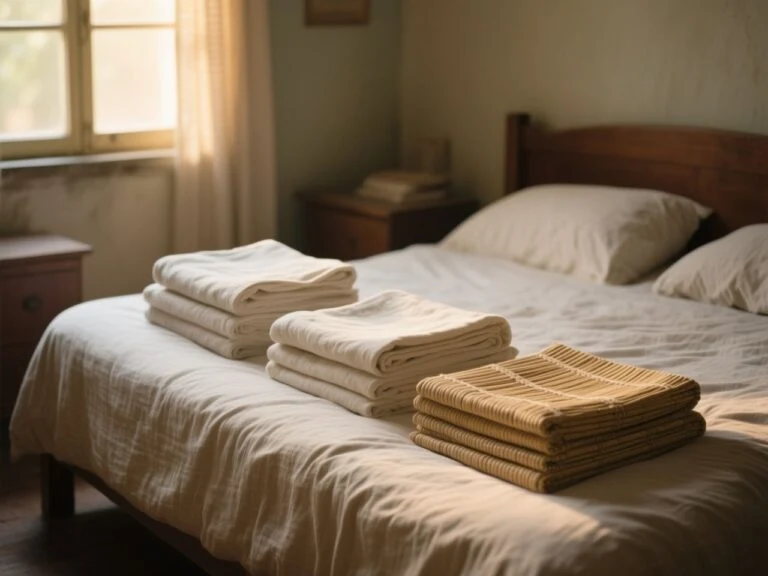

Why does a hotel bed feel so much better than your own, even when you sleep just as well at home? The difference is not the thread count but the structured layering: a mattress topper, fitted sheet, flat sheet, and duvet each serve a specific purpose and must be smoothed and tucked in a particular order. The most overlooked step is the hospital corner tuck, which anchors the flat sheet and prevents the whole arrangement from shifting by the morning. The real secret is underneath the glow. Learning how to make a bed look hotel quality is a mechanical skill, not a shopping problem.
Key Takeaways
- Order matters: protector, topper, fitted sheet, flat sheet, duvet, then pillows.
- A hospital corner is a three-fold tuck that locks the flat sheet in place all night.
- Hotels typically use 300–500 thread count cotton sateen or percale, not ultra-high numbers.
- Pillow count and arrangement—two euro shams, two standard shams, two sleeping pillows—create the signature hotel stack.
The Difference Between Hotel Beds and Home Beds Is Structure, Not Fabric
A typical home bed has a fitted sheet, a blanket, and two pillows tossed in place. A hotel bed has five or six deliberate layers, each pulled tight and tucked with intent. The result is visual tension: no wrinkles, no loose edges, no fabric pooling at the foot. That tension is what reads as luxurious, even before you touch anything.
Think of the bed as a stack of flat planes. A mattress protector keeps the foundation clean, a topper adds a plush top layer, and the sheets wrap around both like upholstery. The duvet sits on top as a smooth, cloud-like slab. Every layer must be sized correctly and smoothed before the next one goes on. If you skip a layer or leave one rumpled, the whole stack falls apart. This layering method is the single biggest difference between a hotel bed and a home bed.
Step 1: Start with a Clean, Protected Mattress
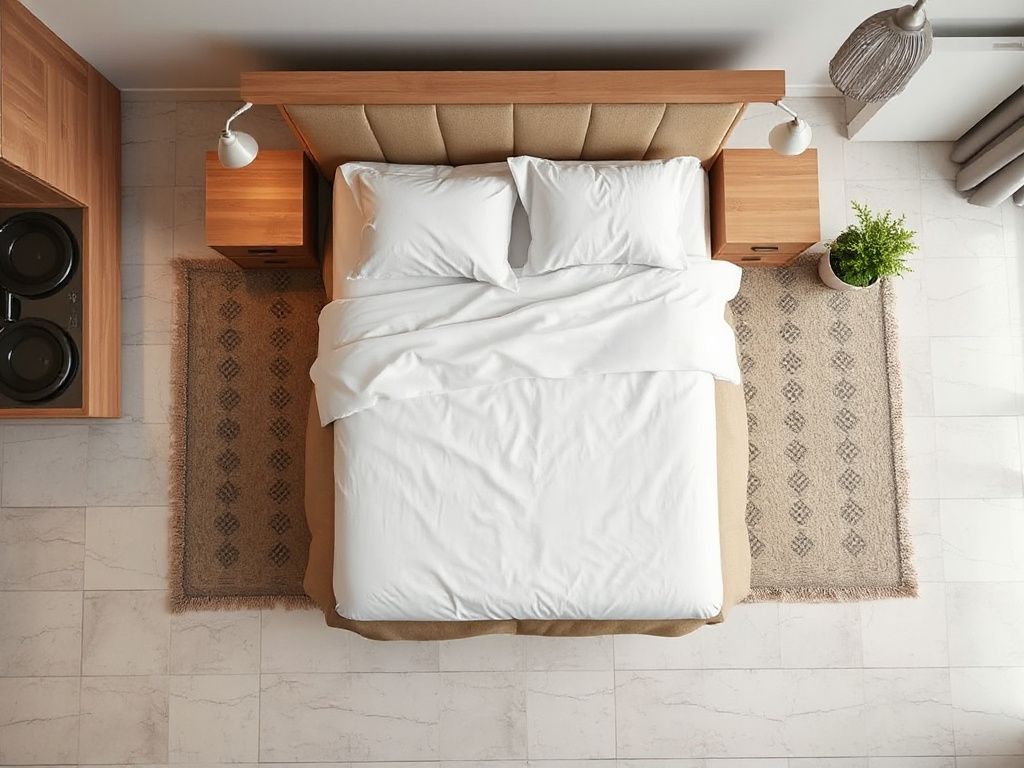
Hotels never put sheets directly on a bare mattress, and neither should you. A mattress protector is non-negotiable because it blocks dust mites, spills, and skin oils from reaching the mattress. A mattress protector is essential for hygiene and extends the life of the topper and mattress. Choose a fitted protector with a waterproof backing, or a quilted one for extra softness. The protector should fit snugly, with elastic all the way around so it does not shift under the sheets.
On top of the protector goes a mattress topper. A two- to three-inch layer of memory foam, latex, or down alternative adds that signature hotel plushness. Without a topper, even the best sheets look flat and uninviting because the mattress surface is too hard and uniform. The topper is what gives the bed its soft, pillowy crown. If your mattress already has a plush top, you can skip this, but most standard mattresses benefit from the extra layer.
Now smooth the protector and topper so there are no bumps or creases. Run your hand across the entire surface, pressing down lightly. Any lump here will telegraph through the sheets later. Pull the topper corners so they align with the mattress corners exactly. This is a five-minute step that most people skip, and it is the foundation everything else depends on.

Step 2: The Fitted Sheet — Snug and Wrinkle-Free
A fitted sheet with deep pockets (at least 15 inches) is the first visible layer. Hotels overwhelmingly use cotton sateen or cotton percale, depending on the desired feel. Sateen has a smooth, lustrous finish and drapes heavily; percale is crisp, breathable, and slightly matte. The choice affects the final look and comfort. Most hotel chains favor sateen because it photographs better under warm light.
Thread count matters less than weave and fiber quality. A 300 to 500 thread count in long-staple cotton is the sweet spot. Beyond 500, the numbers are often inflated by counting multi-ply threads. The weave standards for these fabrics are defined by organizations like ASTM International, which sets textile performance test methods. Aim for 100% cotton with a tight weave; polyester blends pill and trap heat.
Put the fitted sheet on by starting at one corner and working diagonally to the opposite corner. Tuck the elastic under the mattress, then smooth the surface from the center outward. The sheet should lie completely flat with no wrinkles, which requires pulling it taut before releasing the edges. If the sheet is too loose, it will bunch under the flat sheet. If too tight, the corners will pop off. A properly fitted sheet is the difference between a bed that looks made and one that looks staged.
Step 3: The Flat Sheet and the Hospital Corner
The flat sheet goes on next, wrong side up so that when folded back over the duvet, the right side shows. Center it on the bed with equal overhang on both sides and at the foot. The foot overhang should be about 18 inches, enough to tuck under the mattress. Pull the sheet smooth across the top and sides. Then make the hospital corner, which is a three-step fold that locks the sheet in place.
Hospital corner steps: Grab the hanging fabric at the foot of the bed on one side, about 12 inches from the corner. Lift it to form a diagonal fold, creating a 45-degree angle that points toward the head of the bed. Tuck the flat part of the sheet under the mattress first, then fold the diagonal piece straight down so it hangs vertically. Tuck that vertical piece under the mattress. The result is a crisp, envelope-like corner that does not come loose when you move.
Repeat on the other side, then tuck the entire foot of the sheet under the mattress. The tension of the sheet, not the weight of the blanket, is what keeps the bed looking tight. Without a proper hospital corner, the flat sheet slides out from under the duvet by morning and the whole arrangement looks rumpled. A hospital corner anchors the flat sheet and prevents the entire arrangement from shifting. This is the single most important folding technique in hotel bed making.
Step 4: The Duvet Layer — Insert, Cover, and the Bunching Fix
Hotels use a duvet insert inside a duvet cover, not a comforter. A duvet insert is a plain white or off-white down or down-alternative blanket meant to be covered. A comforter is a one-piece blanket with a decorative shell. The duvet system is better for this look because the cover can be washed more often than the insert, and the whole thing lies flatter. The duvet insert must be the same size as the duvet cover—a queen insert with a queen cover—to avoid bunching and a sloppy look.
To prevent bunching, turn the duvet cover inside out, lay it flat, and place the insert on top. Align all four corners, then roll the cover and insert together from the foot toward the head like a burrito. At the head, reach inside and flip the cover right side out around the insert. Shake the duvet gently by holding all four corners until the insert fills the cover evenly. Tie the corner loops inside the cover if your insert has them. A duvet that is evenly distributed looks plump and smooth, not lumpy.
Lay the duvet on the bed so it extends about 12 inches beyond the foot of the mattress. Fold the top edge down about 18 inches to create a cuff, exposing the flat sheet underneath. This fold is what visually separates a hotel bed from a home bed. Smooth the duvet surface with your hands, pushing any air pockets toward the edges. The duvet should look like a solid, cloud-like slab, not a wrinkled blanket.
Step 5: Pillow Architecture — Count, Sizes, and the Final Stack
A hotel bed typically has four to six pillows arranged in layers from the headboard forward. The standard stack is two euro shams (26 by 26 inches) against the headboard, two standard shams (20 by 26 inches) in front of those, and then two sleeping pillows (20 by 26 inches) lying flat at the front. Some hotels add a lumbar pillow in front for a five-pillow arrangement. The key is variety in size and firmness, not just more pillows.
Euro shams should be filled with firm, square inserts that hold their shape. Standard shams get medium-fill inserts that stand upright when propped. Sleeping pillows are the ones you actually use, typically medium to soft. Place all pillows with their open ends facing away from the door for a cleaner look. Fluff each pillow by holding the two short ends and pushing them together, then release. The pillow should look full, not flat.
Arrange the sleeping pillows side by side, touching but not overlapping. The two shams stand behind them, slightly angled toward the center. The euro shams stand vertically against the headboard. This layered stack creates depth and symmetry, which is what reads as hotel quality. A single row of two limp pillows will never achieve that effect, no matter how expensive the linen.
Step 6: Finishing Touches — Throw, Bed Skirt, and the Lighting That Makes It All Work
Hotels often fold a throw blanket or coverlet at the foot of the bed. Place it across the lower third of the duvet, either flat or in a simple fold, not bunched. A bed skirt hides the box spring and any under-bed storage, creating a clean line from the top of the mattress to the floor. If you have a platform bed, skip the skirt. The bed skirt should just graze the floor, not puddle on it.
Now address the lighting. A bed that looks crisp under overhead light can look flat and cold. Warm, low-level light from two bedside lamps creates shadows that emphasize the layers and folds. Position lamps so the light pools on the pillow stack and the duvet fold, not directly from above. This is where good lighting pays off: the same bed, lit correctly, looks dramatically more inviting.
If you are working with a compact bedroom, the same principles of visual expansion that apply to small spaces work here: keep the bedding monochromatic, avoid busy patterns, and let the structured layers create the interest. Those spatial tricks, like the ones covered in our guide on how to make a small bathroom look bigger, translate directly to a bed that feels larger than it is.
Maintenance: How Often to Wash Hotel-Style Bedding and Keep It Crisp
Washing frequency affects both cleanliness and the crisp appearance. Sleep and dermatology guidance commonly recommends washing sheets weekly in hot water to kill dust mites and remove skin oils (the CDC does not publish a specific bedding-washing schedule). The duvet cover can go two to three weeks if you use a top sheet, but the top sheet itself needs weekly washing. The mattress protector should be washed monthly, and the duvet insert seasonally or as needed.
To get that wrinkle-free look without ironing, take sheets out of the dryer while slightly damp and put them on the bed immediately. The residual moisture helps the fabric relax and smooth out. For stubborn wrinkles, a light misting with water followed by a quick hand-smoothing works. Avoid fabric softener on sateen and percale because it coats the fibers and reduces breathability over time. A cup of white vinegar in the rinse cycle removes detergent buildup and restores crispness.
Rotate the mattress topper every six months to prevent body impressions. Fluff the duvet insert weekly by shaking it out. Store extra pillows in a cool, dry place, not in plastic bags. A bed that is maintained weekly takes about 10 minutes to reset; one that is ignored for a month takes an hour and still looks tired. The crisp look is a habit, not a one-time project.
What This Costs — Real Numbers for a Hotel-Quality Conversion
Converting a standard bed to hotel quality does not require four-figure spending on linens. A decent mattress protector costs $30 to $60, a two-inch topper $80 to $200, a fitted and flat sheet set $50 to $150, a duvet insert and cover $100 to $250, and four to six pillows $60 to $120. Total outlay ranges from $320 to $780, depending on fabric quality and fill material.
That is far less than a new mattress, which can run $1,000 or more. The structure and technique matter more than the price of each piece. A $50 sateen sheet set, properly tucked with hospital corners, looks better than a $200 set left loose. Spend on the topper and duvet insert first because they provide the plushness, then upgrade sheets later. If your bed frame itself is wobbly or too low, that will undermine the whole look—our Brooklinen bed frame review covers options that sit at the right height for hotel-style draping.
Skip the temptation to buy a full matching bed-in-a-bag set. Those often come with a thin comforter and papery sheets that wrinkle after one wash. Buy separates in white or ivory because those colors read as hotel fresh and are easier to bleach than patterns. A solid white bed is the easiest way to look luxurious on a budget.
Frequently Asked Questions
How do I do a hospital corner so it stays tight all night?
Lift the flat sheet at the foot of the bed about 12 inches from the corner, forming a diagonal fold toward the head. Tuck the flat bottom section under the mattress, then fold the diagonal piece straight down and tuck it under as well. The key is pulling the sheet smooth before each fold so there is no slack. Repeat on both sides and then tuck the entire foot edge.
What thread count or weave do hotels actually use?
Most hotels use cotton sateen or percale in the 300 to 500 thread count range. Sateen feels smoother and shinier; percale feels crisper and cooler. Thread count above 500 is often a marketing trick because manufacturers count each ply. Focus on long-staple cotton and a tight weave rather than a high number.
Can I use a flat sheet as a fitted sheet, or do they really matter?
You can convert a flat sheet into a fitted sheet using the same hospital corner technique at all four corners, but it will not stay as snug as a true fitted sheet with elastic. A fitted sheet is necessary for that tight, wrinkle-free base because the elastic anchors it under the mattress. Without it, the sheet shifts and bunches under your body weight.
How many pillows should a hotel-style bed have, and how do I arrange them?
Start with six pillows: two euro shams (26 by 26 inches) against the headboard, two standard shams (20 by 26 inches) in front, and two sleeping pillows lying flat at the front. Stand the shams upright and angle them slightly toward the center. Fluff each pillow before placing it. This layered stack creates the depth and symmetry that signals hotel quality.