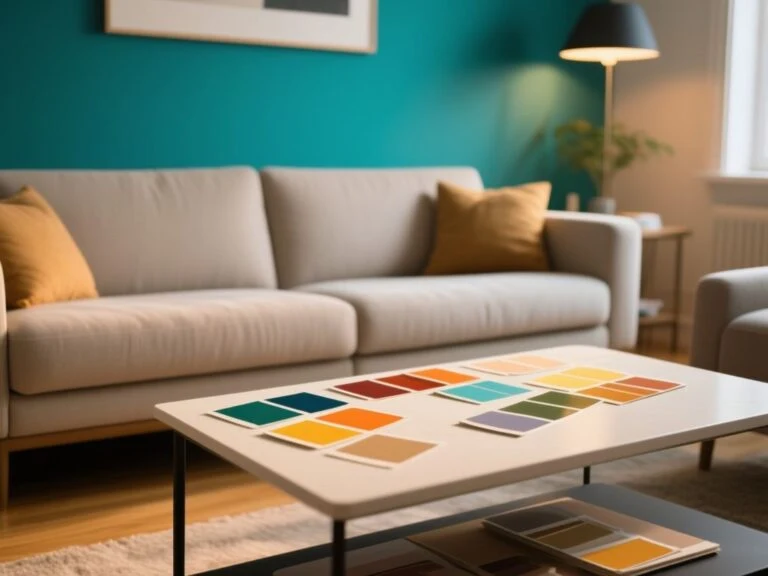
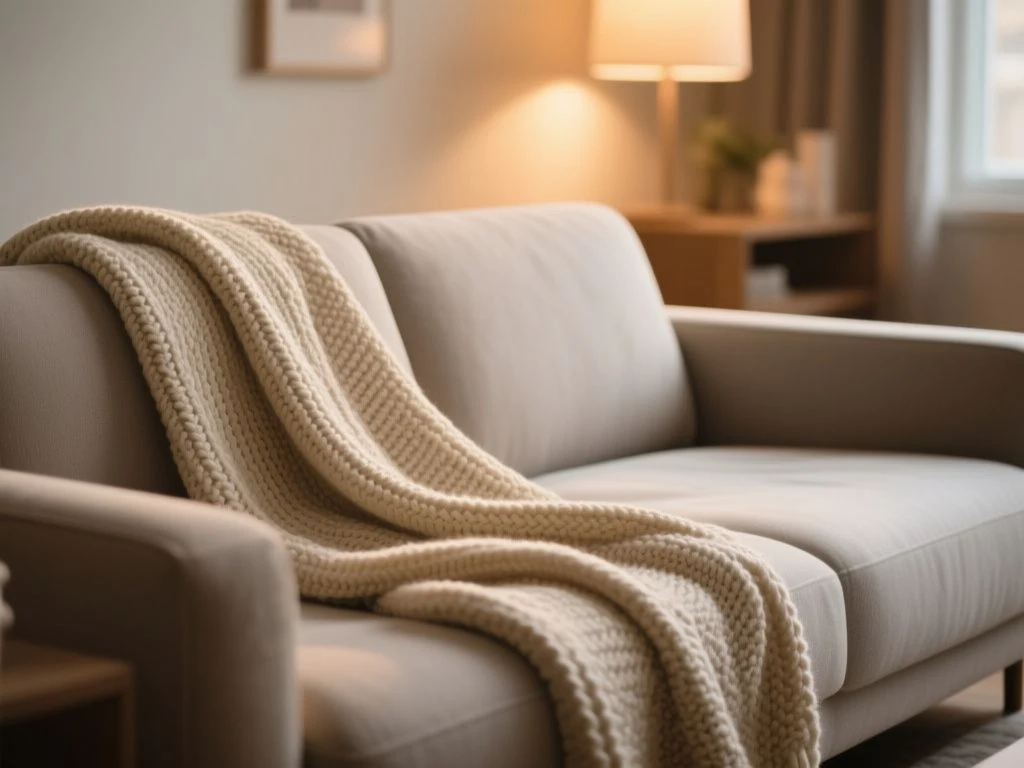
A landlord keeps the full security deposit over three nail holes, and the living room still feels like a hotel suite six months after move-in. Both failures come from treating a lease as a list of bans instead of a set of boundaries. How to make a rental feel like home is less about spending money and more about knowing which layers you can add, which surfaces you can change, and which pieces move with you when the lease ends.
Key Takeaways
- Check the lease and get written permission before drilling, painting, or sticking anything permanent.
- Use Command strips correctly: clean surface, press for 30 seconds, wait 60 minutes before hanging; remove by pulling straight down, never out.
- Layer lighting, textiles, and portable furniture instead of changing fixtures; these pieces move with you and create warmth without risk.
How to Make a Rental Feel Like Home: Start With the Lease and the Measurements
Read Every Line Before You Drill or Stick Anything
The first move is not decorating; it is reading. Every lease has a clause about alterations, and most specify a maximum hole size, often 1/8 inch or smaller. Some leases forbid adhesive hooks outright because the residue can pull paint. The U.S. Department of Housing and Urban Development publishes tenant rights guides that outline what a landlord can legally withhold from a deposit, and the allowable deductions usually hinge on damage beyond normal wear and tear. If the lease says no changes without written consent, get that consent in an email before touching a wall. A landlord who approves a paint color in writing cannot later charge you for repainting unless the color is wildly off-base.
State law also matters. In most states, small nail holes are considered normal wear and tear and cannot be deducted, but the threshold varies. For example, some jurisdictions treat any hole larger than a dime as damage. Read your lease alongside your state’s landlord-tenant act, which is usually published by the state attorney general’s office. A single afternoon of reading saves the average renter hundreds of dollars at move-out.
Standard interior doors measure 30 inches wide, but older buildings often have 28-inch frames. A sofa with a 34-inch arm-to-arm width will not pass through a 28-inch opening. Measure the narrowest doorway, the stairwell turn, and the elevator interior before buying any large piece. This is the small-space realist rule: do not admire the sofa until you have measured the path it must travel.
Get Written Permission for Anything Permanent
Painting a wall changes the surface permanently; removing that paint means repainting, and some landlords will charge you for it even if the color is neutral. The rule is simple: if the change cannot be undone with a hairdryer and a sponge, ask first. Write an email that lists the exact wall, the exact color, and your offer to restore it to the original before move-out. Many landlords will say yes to a single accent wall if you include a photo of the color chip and a promise to use a primer like Kilz to cover it later. The written approval protects your deposit in a dispute; verbal agreements do not hold up when the property manager changes.
For drilling holes, the same rule applies. A curtain rod bracket requires two holes per window, and a wall-mounted shelf needs anchors rated for the wall type. Get written approval for each location. If the landlord refuses, use tension rods and freestanding shelves instead; those leave no trace and require no permission.
Treat the Walls and Floors as Temporary Layers, Not Permanent Changes
Hanging Art Without Nail Holes: The 30-Second Rule
Command strips are the default answer for renters, and they work if you follow the instructions exactly. The adhesive needs a clean, dry, smooth surface; wipe the spot with rubbing alcohol and let it dry completely. Press the strip against the wall for 30 seconds using firm, even pressure, then slide the hook off and press the base alone for another 30 seconds. Wait 60 minutes before hanging anything on it. Command strips fail on textured walls, on flat or matte paint, and in bathrooms where humidity stays above 70 percent. A strip rated for 3 pounds will not hold 3 pounds on a bumpy plaster wall; derate the capacity by half for any surface that is not perfectly smooth.
For textured walls or high-humidity areas, switch to monkey hooks or adhesive putty. Monkey hooks are thin metal hooks that push through drywall without drilling and leave a pinhole smaller than a thumbtack. They hold up to 50 pounds but only work on hollow drywall, not plaster or concrete. Adhesive putty holds very light items like paper prints but fails on heavy frames. Test any method on a hidden spot before committing a whole gallery wall.
Peel-and-Stick Wallpaper and Tile: The Risks and the Rewards
Tempaper and Smart Tiles are popular because they remove without leaving residue, but that promise depends on the paint underneath. If the wall was painted with a cheap flat latex, the adhesive can bond to the paint film and pull it off when you remove the paper. The safer path is to test a small square behind a door for 24 hours before covering a whole wall. When the test patch comes off clean, proceed. When it takes paint with it, you have two choices: use a hairdryer on low heat to soften the adhesive during removal, or accept a thinner peel-and-stick border instead of full coverage. The same logic applies to peel-and-stick floor tiles; they stick best to smooth vinyl or laminate, not to textured ceramic or concrete.
Application technique matters more than the product itself. Clean the wall thoroughly, let it dry for 24 hours, then run a plastic squeegee over each panel from the center outward to push out air bubbles. Start from the top of the wall and work down. Overlapping seams by 1/8 inch prevents gaps when the room temperature changes. A properly applied peel-and-stick product looks like wallpaper from three feet away; a rushed job looks like contact paper on a shelf.
Covering Ugly Floors Without Voiding the Deposit
A washable rug system like Ruggable is the practical way to cover a floor you hate, because the entire piece comes up and goes into a washing machine. For a more built-in look, interlocking foam or vinyl tiles can cover an entire room, but they trap moisture underneath and can discolor hardwood over a long lease. The safer option for large areas is a low-pile area rug with a non-slip pad underneath. The pad protects the floor from scratches and the rug adds the color and texture that makes a space feel finished. Measure the room before buying; a rug that stops two feet short of every wall makes the room look smaller than it is.
Removable vinyl plank flooring is another option for renters who want the look of wood or tile without glue. These planks click together and float over the existing floor, then disassemble when you move. The downside is that the seams can lift in high-traffic areas, and the planks are not truly waterproof. For kitchens and bathrooms, stick to washable rugs with a waterproof backing instead.
The Residue Problem: Removing Command Strips Without Peeling Paint
Residue happens when the strip was removed too quickly or the surface was dirty. The fix is not scraping with a razor blade; that scratches the wall. Warm the residue with a hair dryer on low heat, then roll it off with your finger or a soft cloth. Any remaining tackiness comes off with rubbing alcohol on a cotton pad. Test the alcohol on an inconspicuous spot first, because it can dull glossy paint. If paint did peel, spackle the area with DAP Spackling, sand it smooth after 24 hours, and touch up with a matching paint sample from the hardware store.
A better approach is prevention: never hang a Command hook on wet or dusty paint, and never overload it. The rated weight assumes a smooth, clean, cool surface. In a bathroom, use suction cups or over-the-door hooks instead of adhesive strips. Those leave zero residue and hold better in steam.
Build Warmth With Lighting, Textiles, and Furniture That Moves With You
Swapping Lampshades and Bulbs Instead of Fixtures
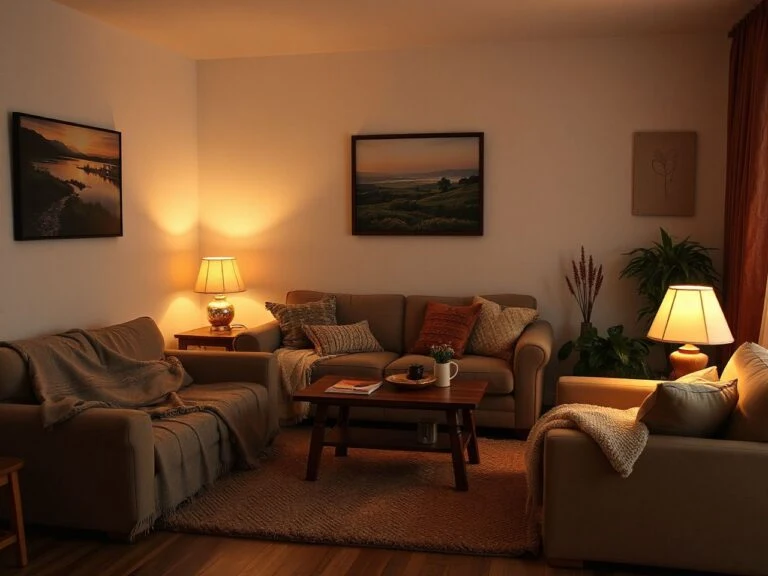
The ceiling light is the landlord’s, but the lampshade and the bulb are yours. A standard dome shade in a rental apartment throws a harsh, shadowless light that makes even a well-decorated room feel like an office. Replace the shade with something in fabric or paper, and switch the bulb to a warm white LED rated at 2700 Kelvin. That color temperature mimics incandescent light and makes skin tones and wood furniture look warmer. For floor and table lamps, choose shades with a narrower opening at the top; the light pools downward and creates the soft zones that a single overhead fixture cannot. Window coverings must comply with fire codes, so check that any curtain or shade you add uses flame-retardant fabric and does not block an exit route, as set by the National Fire Protection Association.
Plug-in dimmers and smart bulbs let you change the light level without touching the wall switch. A simple inline dimmer costs less than a pizza and works on any floor or table lamp. Set the overhead light to its brightest only when cleaning, and rely on the lamps for evening. The layered lighting pattern—overhead, task, and accent—is the same one designers use in owned homes, and it works in any rental because none of it is permanent.
Rugs, Curtains, and Throws: The Textile Layer That Does the Heavy Lifting
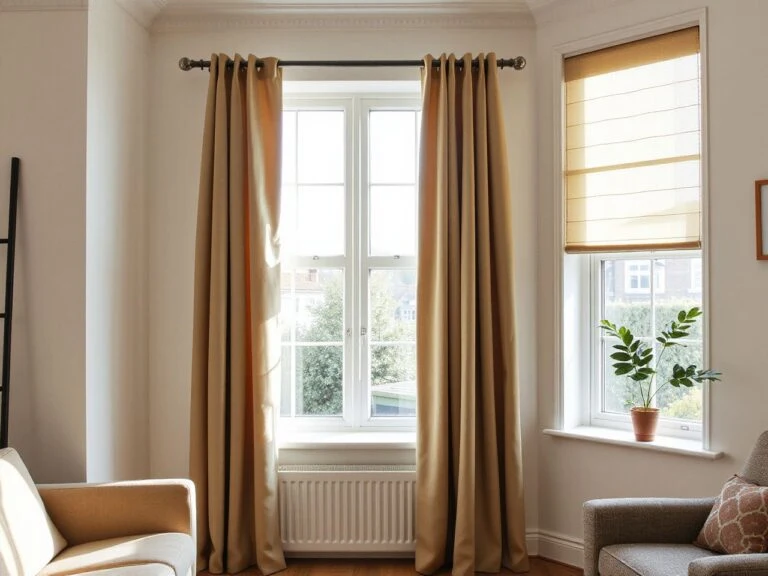
Textiles are the fastest way to add color and texture without changing a single surface. Hang curtains higher than the window frame—four to six inches above the top—and let them run to the floor. This tricks the eye into seeing a taller ceiling and hides the standard blinds that every rental seems to have. Use a tension rod inside the window frame if you cannot drill for brackets; a quality tension rod holds curtains up to about 20 pounds. Layer a washable rug over the existing carpet or hard floor, and add a throw blanket and two cushions in contrasting textures. The combination of soft surfaces absorbs sound and makes the room feel quieter and more private.
For rental windows with standard horizontal blinds, add a blackout curtain on a tension rod behind the blinds. The curtain blocks light completely and hides the blinds when closed. Choose a curtain with a thermal lining; it also reduces drafts from old windows and lowers heating costs. When you move, roll up the curtain and take it with you. The blinds never moved.
Portable Furniture and Open Shelving Systems
Furniture that bolts to the wall is not portable, but pieces like the IKEA Kallax shelving unit are freestanding and stable without anchors in most configurations. A 4×2 Kallax placed on its side becomes a sideboard; stood upright it is a room divider. The open cubes let you display books, plants, and baskets, which is exactly the kind of personal display that makes a rental feel like a home. If you need closed storage to hide clutter, the trade-off between open shelving and closed storage depends on how much you enjoy dusting versus how much you need to hide. For a small space, choose one open unit and one closed cabinet; that balance keeps the room from feeling either sterile or chaotic.
Multi-functional pieces are worth their footprint in a small rental. A storage ottoman replaces a coffee table and holds throws and board games. A fold-down desk mounts without drilling by using a freestanding ladder desk or a wall-mounted unit that uses tension supports. A sofa with a pull-out bed turns a living room into a guest room without adding a second bed. Every piece should earn its square footage by doing at least two jobs.
Creating Privacy Without Permanent Walls
A studio apartment or a shared unit often needs a visual divide between sleeping and living areas. A freestanding folding screen does the job and folds flat against a wall when not needed. A tall bookshelf placed perpendicular to a wall also works, but anchor the top to the ceiling with a tension pole if you have children or pets; a falling shelf is a real hazard. For doorways that lack a door, hang a curtain on a tension rod. The fabric blocks sight lines and dampens sound enough to create a sense of a separate room. If you need a dedicated workspace, setting up a small desk in a corner with good light is more calming than any partition. Our guide to home office space ideas covers how to carve out that corner without sacrificing the rest of the living area.
Plants can double as soft screens. A tall snake plant or a rubber tree in a floor pot blocks a direct sightline between two areas without making the room feel closed off. Place it in the line of sight from the front door to the bed or desk; the plant interrupts the view and creates an instant sense of separation. Plus, the plant is alive, which is the single fastest way to make any space feel inhabited.
Finish Strong: The Move-Out Plan That Protects Your Deposit
Spackle, Sand, and Touch-Up Paint: The Small Hole Fix
A single nail hole rarely loses a deposit; a dozen of them or a torn anchor does. Small holes from picture hooks or pushpins are considered normal wear and tear in most jurisdictions, but leaving them unfilled invites a cleaning fee. The fix is cheap: fill each hole with DAP Spackling, let it dry for 24 hours, sand flush with a fine-grit sanding sponge, and touch up with a paint sample matched to the wall color. Low-VOC primers and paints that meet Environmental Protection Agency standards reduce off-gassing, which matters when you are repainting a room you still have to sleep in. If the wall color is custom, many hardware stores can match it from a small chip you bring in.
For larger holes or torn drywall from a failed anchor, use a self-adhesive mesh patch under the spackle. The patch bridges the hole and prevents the spackle from cracking. Sand the patch smooth before painting. A landlord who sees a clean, patched wall is far less likely to charge a repair fee than one who sees an unpainted hole and assumes the worst.
Convincing a Landlord to Let You Paint or Change Fixtures
Landlords say no because repainting costs money and time between tenants. Offer to do the work yourself and to restore the wall to the original color before move-out, and the answer often shifts to yes. Write a short proposal: what you want to change, the exact color or fixture, a photo of the area, and a timeline for restoration. Mention that you will use a primer like Kilz to cover the color in one coat if repainting is needed. Offer to leave the change in place if the landlord prefers it at turnover. A landlord who sees a well-written plan and a tenant willing to take responsibility is far more likely to approve a single accent wall than one who receives a vague text asking “can I paint?”.
If the landlord still says no, offer a compromise: paint only one wall in a color that is easy to cover, or use a large peel-and-stick mural instead of paint. A mural removes without repainting and gives you the same visual impact. The key is to ask for something specific and reversible; vague requests get vague denials.
Budget-Friendly Cozy Without Clutter
You do not need to buy a truckload of decor to make a rental feel like home. A single well-placed plant, a stack of books with the spines facing out, and a candle or diffuser do more than ten generic prints from a big-box store. Group items in odd numbers—three objects on a shelf, five on a mantel—because odd groupings read as intentional rather than random. Move your favorite piece, the one that has traveled with you through every previous home, to the spot you see first when you walk in. That object is the anchor; everything else supports it. When the lease ends, you will pack the lamp, the rug, the shelf, and the plant, and the apartment will go back to its original beige without a trace. That is the definition of a successful how to make a rental feel like home strategy: zero damage, full warmth.
Remember that rentals have one perk owned homes never do: you can walk away. When a rental stops working for you, moving is an option, not a renovation project. That freedom changes how you should spend money. Invest in pieces you love and will take with you; spend nothing on permanent changes you cannot remove. The math is simple: a $200 area rug that moves with you is a better investment than a $200 paint job that stays behind.
Frequently Asked Questions
How do I remove sticky residue from Command strips without peeling paint?
Warm the residue with a hair dryer on low heat for 30 seconds, then roll it off with your finger or a soft cloth. Any tackiness left behind comes off with rubbing alcohol on a cotton pad, but test the alcohol on a hidden spot first because it can dull glossy paint. Never scrape with a blade; that gouges the wall.
Can I paint the walls of a rental without losing my security deposit?
Only if you get written permission from the landlord first. A single accent wall painted in a neutral color, with a promise to restore it before move-out, is often approved. Use a primer like Kilz to cover the color in one coat when you repaint. Without written consent, many leases classify any paint change as damage and deduct repainting costs from the deposit.
What is the best way to make a rental feel like home on a budget?
Focus on textiles and lighting, not furniture. Swap lampshades and bulbs to 2700K warm white, hang curtains higher than the window, and add a washable rug and a throw. Group objects in odd numbers on shelves. One plant and one personal anchor piece do more than a room full of new decor.