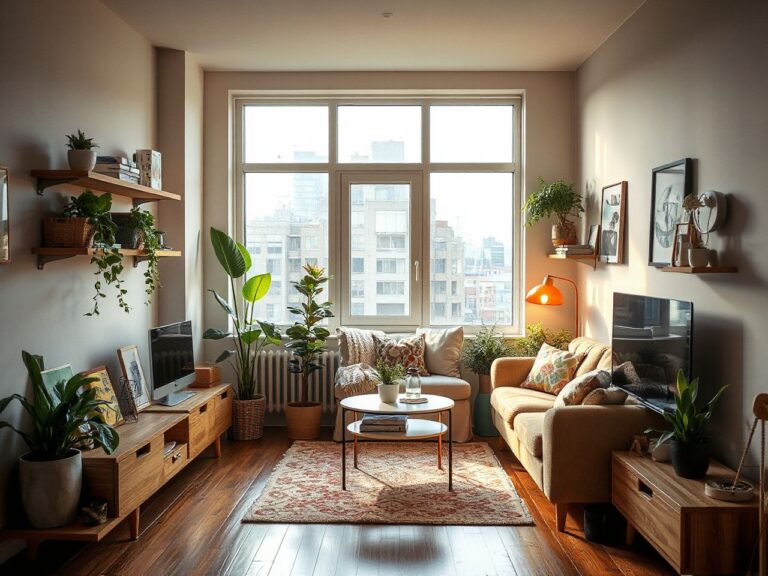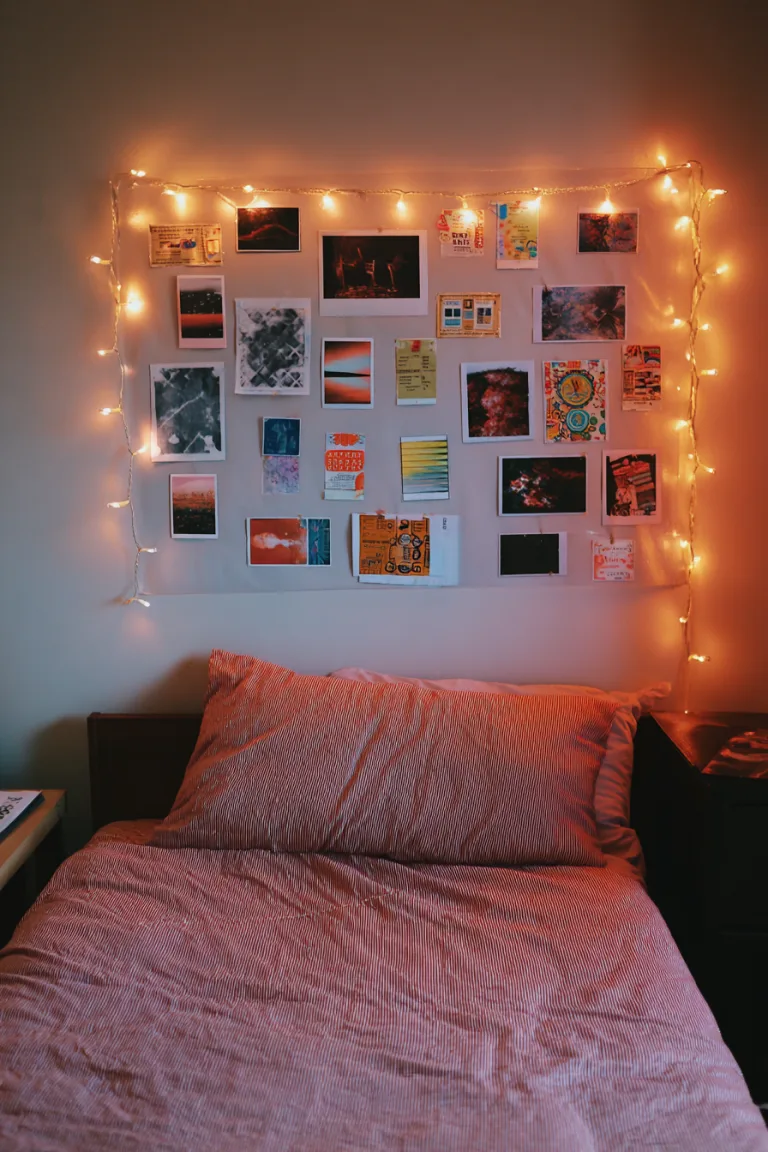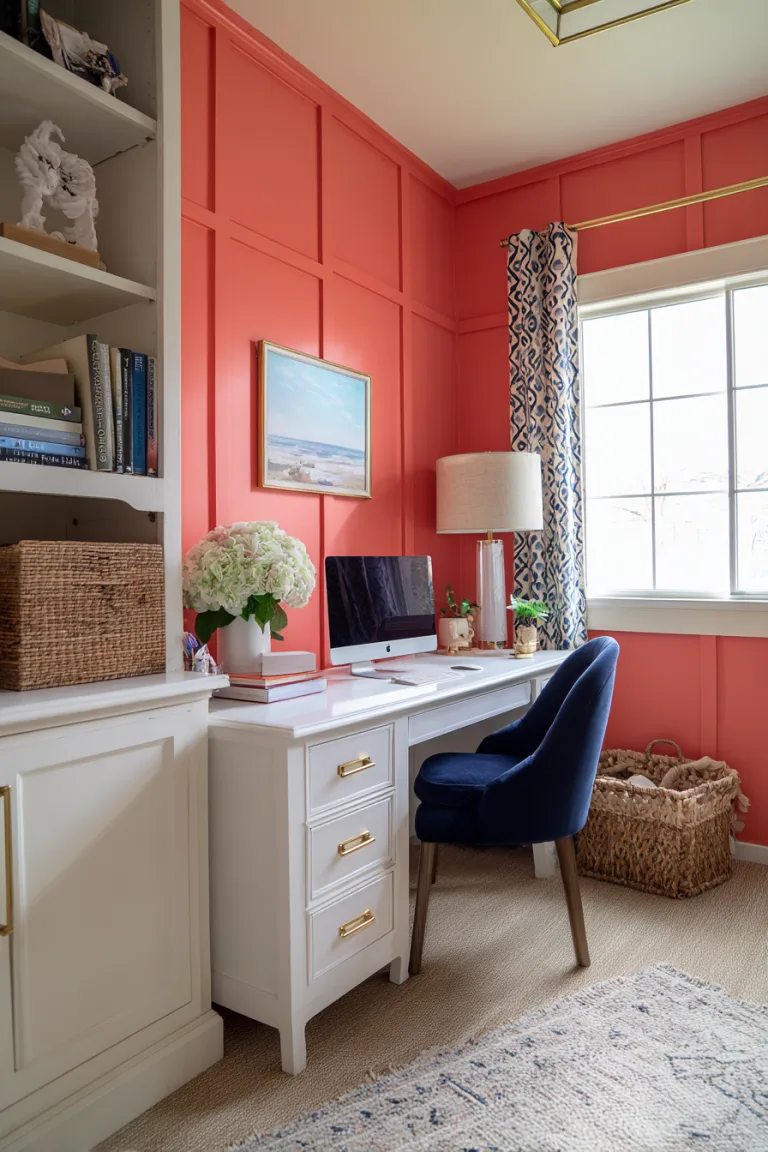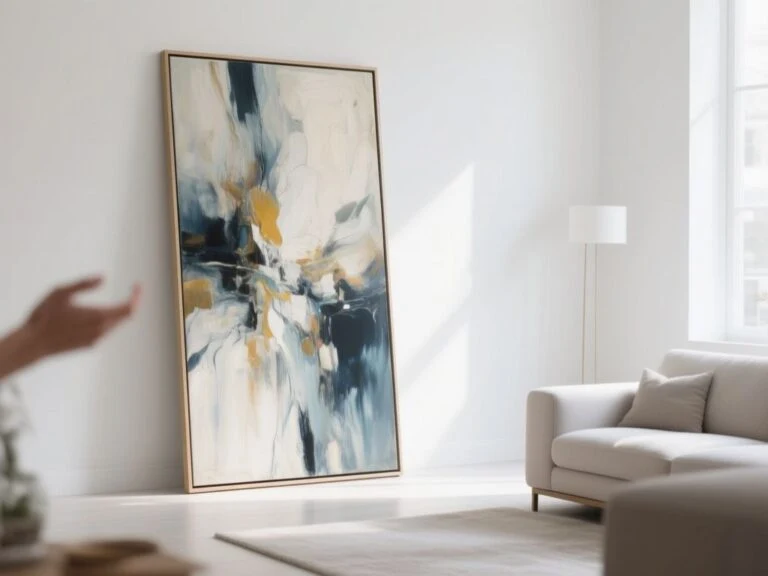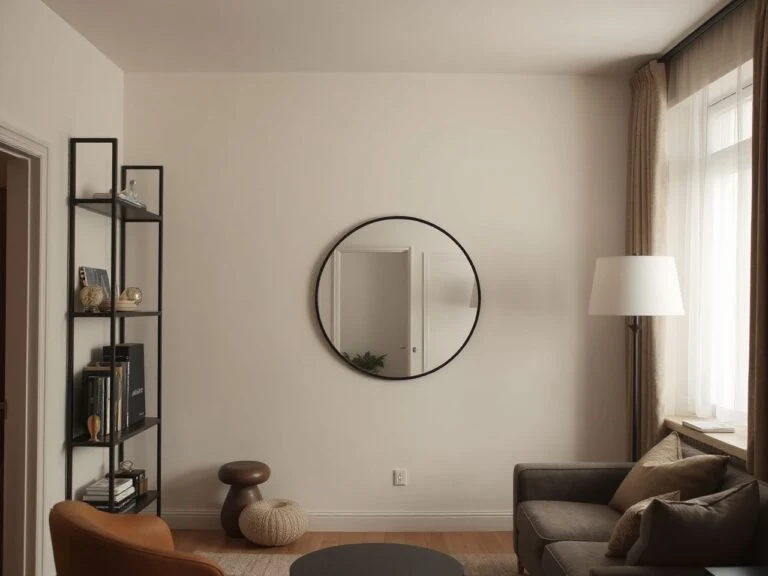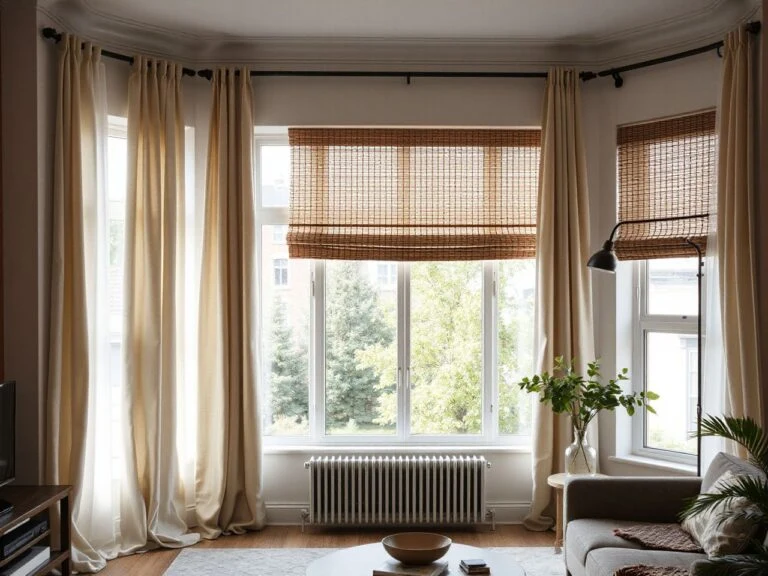
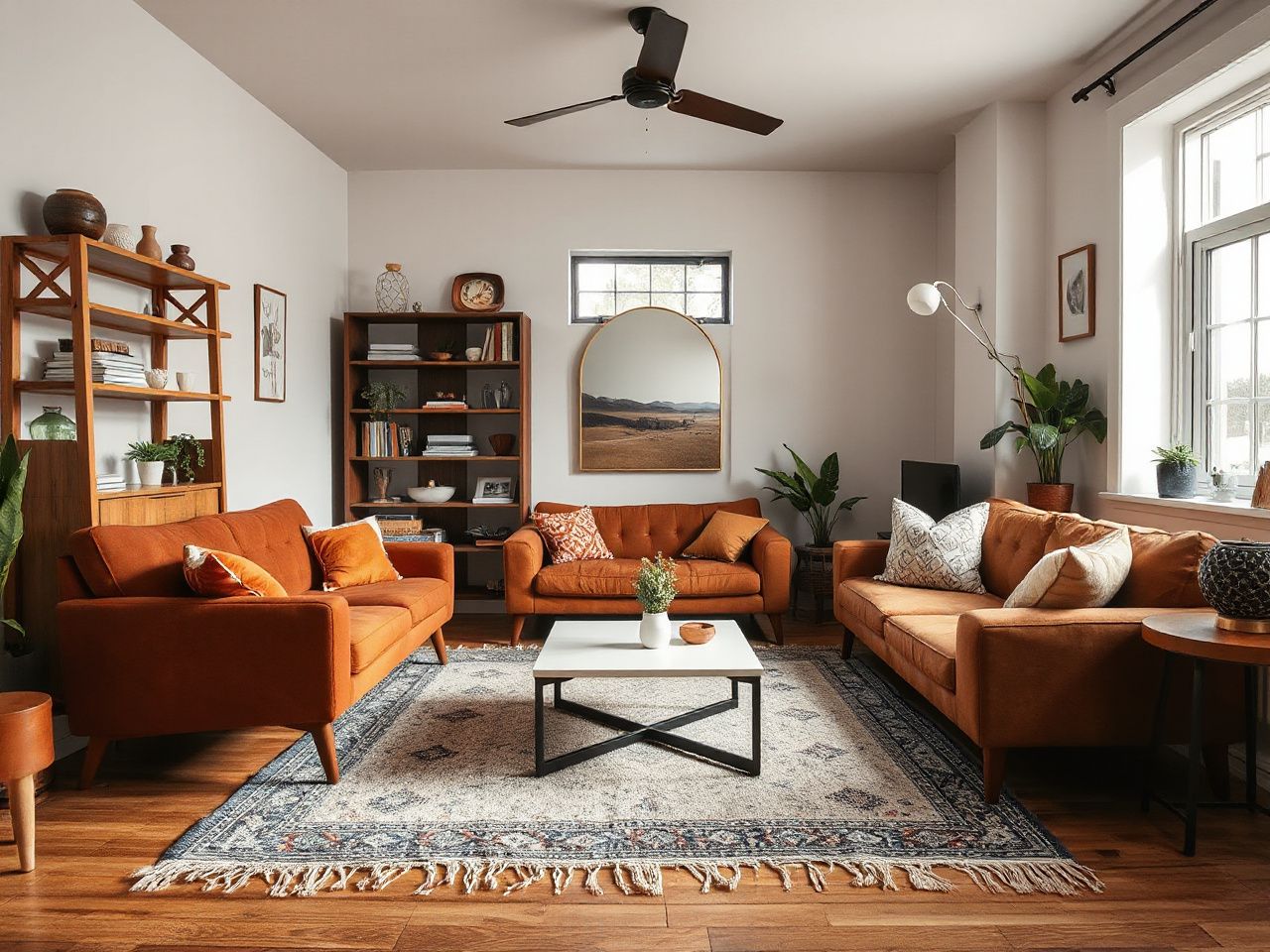
What makes a room feel designed rather than dressed in a costume? The useful distinction is between a style’s underlying visual principles and its recognizable decoration cues: a room can express Scandinavian restraint or industrial structure without copying a showroom scene. A strong guide to the types of home decor styles should also separate historical movements from modern reinterpretations and explain how styles can be blended through shared color, material, proportion, or shape rather than by mixing unrelated motifs at random.
Start with the room itself. Architecture, natural light, daily routines, and existing materials should guide the direction before a theme enters the conversation. This clear guide to popular home decor looks can help with the basic vocabulary, while the framework below focuses on judgment: what a style is built from, how it behaves in a real home, and where flat-pack details deserve closer inspection.
Key Takeaways
- Choose a style by its visual principles, room function, architecture, and maintenance demands rather than by a single decorative object.
- Modern describes a design movement, while contemporary describes what feels current; the terms are related but not interchangeable.
- Mixed-style rooms look coherent when color, material, proportion, or shape creates a clear connection between unlike pieces.
How to Read the Types of Home Decor Styles
Separate principles from cues
A style is a system of choices. Color schemes, materials, lighting, furniture shapes, surface texture, and visual proportion do more work than a signpost accessory. A room becomes Scandinavian through restraint, useful forms, quiet contrast, and a sense of light; pale decorative objects alone cannot produce that effect.
Decoration cues still matter, but they should confirm the room’s structure. A woven accent may support Bohemian character, yet a few woven accents cannot compensate for furniture that blocks circulation or lighting that makes the space uncomfortable. The practical test is simple: remove the obvious themed objects and ask whether the room’s shapes, palette, and materials still point in the same direction.
Home decor style is strongest when the room’s structure communicates the idea before its accessories do. That principle protects a small rental, an older home, and a highly personal room from looking like a staged copy.
Historical movements and current interpretations
Art Deco and mid-century modern are historical design references with recognizable visual languages. A current room may borrow their geometry, furniture shapes, or contrast without becoming a faithful period reproduction. That distinction matters because a loose interpretation gives the room room to function today.
Modern and contemporary are not interchangeable. Modern usually refers to a design movement and its characteristic emphasis on form, proportion, and reduced ornament; contemporary describes what is current in a given period. A contemporary room can include modern furniture, but contemporary design may also absorb details from several traditions.
Modern furniture is often associated with low profiles and geometric silhouettes. Contemporary residential architecture commonly uses metal, glass, and smooth woods, although those materials alone do not define a contemporary room. Their effect depends on the surrounding shapes, color relationships, lighting, and amount of visual detail.
Why style labels overlap
Style names are useful shorthand, not strict boxes. Japandi can join Japanese-inspired restraint with Scandinavian warmth; Transitional rooms can sit between traditional structure and current simplicity; a Coastal room can share a pale, relaxed palette with Scandinavian interiors without using the same furniture language.
The overlap becomes useful during planning. Instead of asking which single label owns a room, identify the qualities you want to repeat. You might choose the quiet palette of Scandinavian design, the natural materials of Japandi, and the sturdy contrast of Industrial furniture. The room will feel intentional if those choices meet through proportion and finish.
Beginner: Choose a Style That Fits the Room and Daily Life
Step 1: Read the architecture first
Architecture supplies a starting rhythm. Exposed structural features can support Industrial or Rustic direction. Ornate existing details may sit comfortably with Traditional or French Country choices. Clean openings and restrained surfaces can support Contemporary or Modern furniture, while older architectural features can also create a productive contrast with simpler pieces.
Do not force a style that fights the room’s strongest permanent features. A formal room can still become relaxed, and a compact rental can still express Art Deco or Farmhouse character, but the result will be more convincing if furniture scale, lighting, and circulation acknowledge what is already present.
A home’s architecture should influence decor style because permanent surfaces and proportions remain visible behind movable furniture. That does not mean every room must match its building; it means the contrast should be deliberate.
Step 2: Match the style to the room’s work
Living rooms, bedrooms, dining areas, and workspaces place different demands on furniture and light. Begin by recording what the room must support: conversation, rest, meals, study, storage, or a combination. A decorative direction that works in a low-traffic reading corner may become awkward in a busy passage.
- For calm: Scandinavian, Japandi, Minimalist, and Contemporary approaches rely on controlled visual noise and clear forms.
- For layered character: Bohemian, Maximalist, Traditional, and French Country directions allow more pattern, texture, and collected detail.
- For structure: Industrial, Mid-century modern, and Art Deco approaches make furniture shape and material contrast prominent.
- For softness: Farmhouse, Rustic, Coastal, and Mediterranean rooms can use tactile surfaces and relaxed visual transitions.
These are tendencies, not rules. A Minimalist bedroom may still need warmth, and a Maximalist room still needs a place for the eye to rest. Style should serve daily life rather than turn ordinary maintenance into a performance.
Step 3: Account for light and existing materials
Natural light changes how colors, wood surfaces, metal, glass, and textiles are perceived. A dark room may need a lighter visual structure, while a bright room can carry deeper contrast without appearing visually heavy. Existing flooring, cabinetry, stone, and wall finishes should be treated as part of the palette.
Choose a small working palette before choosing decorative objects. One main color family, a supporting neutral, and a controlled accent relationship can give mixed styles a common language. The exact colors matter less than repetition: a tone should appear across more than one surface or object so the room does not look assembled from isolated decisions.
Step 4: Inspect furniture shapes and assembly details
Furniture shape often identifies a style faster than color. Low profiles and geometric silhouettes support Modern direction. Slim, tapered legs are associated with Gustavian furniture. Japandi commonly uses low furniture, natural materials, ceramics, and paper lanterns, but the room should still retain a useful balance of open space and storage.
Flat-pack furniture deserves a separate check. Look at the fastener type, the quality of the joints, the alignment of predrilled holes, and whether the back panel contributes to stability. The finish may look refined in a photograph, while weak hardware, poorly captured cams, or vague instructions reveal the real quality of the construction.
Assembly is part of design judgment. A piece that requires repeated tightening or uses fittings that do not sit flush can undermine a carefully planned room, especially in a space where the furniture is moved or opened often.
Intermediate: Recognize the Main Style Families
Scandinavian, Japandi, and Minimalist
Scandinavian interiors are usually recognized through restraint, practical forms, light visual weight, and an emphasis on comfort without clutter. The room should feel considered rather than empty. Natural-looking materials, simple furniture shapes, and carefully placed textiles can support the direction.
Japandi combines a similarly controlled atmosphere with low furniture, natural materials, ceramics, and paper lanterns. Its character depends on balance: a room can be sparse without feeling bare when texture and proportion are doing enough work. Minimalist decorating reduces the number of competing forms even further, placing attention on space, line, and function.
Maintenance is often easier when a room has fewer objects, but reduced quantity does not remove the need for care. Open shelving can expose clutter, pale surfaces can make marks visible, and delicate decorative pieces still require handling. A calm appearance comes from decisions made early, not from hiding every practical item at the last moment.
Industrial, Rustic, Farmhouse, and Alpine chic
Industrial rooms use structural expression, strong contrast, and materials that look direct rather than ornamental. Iron, metal, wood, and exposed-looking surfaces can support the language, but an industrial room still needs appropriate lighting and comfortable circulation. A room filled with metal details but lacking useful proportion becomes a theme set.
Rustic and Farmhouse styles share an interest in warmth, familiar forms, and material character, yet they need not look identical. Farmhouse can lean toward practical domestic simplicity, while Rustic rooms may place more attention on rougher surfaces and an outdoor sense of material. Alpine chic uses reclaimed wood, stone, and iron, creating a substantial material vocabulary that needs visual relief so the room does not feel overburdened.
Flat-pack construction requires particular scrutiny in these settings. A printed wood effect does not carry the same visual weight as a genuinely substantial surface, and a thin-looking edge can conflict with a style built around solidity. Inspect edge treatment and joinery before allowing a large piece to become the room’s anchor.
Traditional, Transitional, French Country, and Gustavian
Traditional decorating draws on established furniture forms, balanced arrangements, and layered detail. French Country can soften that structure through relaxed surfaces and informal charm. Gustavian furniture is associated with slim, tapered legs, a detail that can make a room feel lighter even when the overall arrangement remains formal.
Transitional design sits between traditional and current approaches. Its purpose is not to erase history but to reduce visual friction between older forms and simpler contemporary pieces. Repeated colors, related wood tones, and compatible furniture heights help the room read as one composition.
These styles can create higher upkeep if the room depends on numerous decorative surfaces, fabric layers, or finishes that show dust and wear. That does not make them impractical. It means the maintenance burden should be acknowledged before the room is filled with objects that need constant repositioning or special care.
Bohemian, Maximalist, Coastal, and Mediterranean
Bohemian rooms gain identity from collected texture, varied pattern, and an informal arrangement. Maximalism pushes visual abundance further, but successful abundance still needs a hierarchy. One color family, a repeated shape, or a shared material can stop a crowded room from becoming random.
Coastal design works best as an atmosphere rather than a collection of literal seaside symbols. Light, relaxed colors and an open visual rhythm can suggest the idea without turning the room into a themed display. Mediterranean interiors can similarly draw on earthy color, tactile surfaces, and strong contrast without requiring every object to announce its reference.
Layered styles usually demand more ongoing editing. Textiles shift, open surfaces collect objects, and patterns compete as new pieces enter the room. A simple rule helps: every new item should support the existing palette, material language, or proportion instead of adding an unrelated motif.
Art Deco, Mid-century modern, Modern, and Contemporary
Art Deco is commonly understood through confident geometry, contrast, and a polished sense of composition. Mid-century modern is associated with clear furniture profiles, purposeful form, and visual lightness. Historical references work best when used selectively rather than copied across every surface.
Modern furniture often favors low profiles and geometric silhouettes. Contemporary rooms may use metal, glass, and smooth woods, but the defining quality is their current composition rather than allegiance to one historical movement. A contemporary room can be warm, colorful, or textural if the overall arrangement feels deliberate and current.
Historical style and trend-based interpretation should remain separate in your notes. A reproduction borrows a recognizable form; an interpretation borrows a principle. The second approach usually gives a home more flexibility because it leaves space for existing architecture and personal use.
Advanced: Blend Styles Without Creating Chaos
Use one bridge at a time
Mixed-style decorating works when unlike pieces share a reason for being together. The bridge may be a color repeated across furniture and textiles, a material that appears in both old and new forms, a related proportion, or a recurring geometric shape. Start with one bridge before adding another.
- Color bridge: Connect Traditional upholstery to Contemporary furniture through a repeated neutral or accent color.
- Material bridge: Link Industrial metal to Scandinavian wood through a restrained palette and simple profiles.
- Proportion bridge: Keep furniture heights and visual weight compatible even when the styles differ.
- Shape bridge: Repeat a curve, taper, arch, or geometric line in more than one part of the room.
Random contrast is tiring because the eye has no explanation for the change. A room does not need every piece to match, but each major piece should belong to the same visual conversation.
Give the room a clear lead style
Choose one dominant direction and let other influences support it. A Scandinavian room can include a vintage chair; a Traditional room can use a contemporary lamp; a Japandi room can include a carefully chosen Art Deco shape. The lead style sets the room’s basic rhythm, while secondary references add character.
A mixed-style room looks coherent when one visual principle appears across several unrelated objects. Repetition can be quiet, and quiet repetition is often more convincing than a set of matching decorations.
Keep circulation and lighting practical
Style decisions must leave usable paths, suitable light, and safe positions for furniture. A dramatic floor lamp may suit an Industrial or Art Deco room, but its placement still needs to support movement. A low table may fit Japandi or Mid-century modern direction, yet it should not obstruct how the room is used.
Layered lighting can help distinguish functional areas without dividing the room into unrelated scenes. Use the room’s existing electrical points and available daylight as constraints rather than afterthoughts. Curtains also affect the room’s visual weight and light control; a room-by-room reference to different curtain styles and their practical role can support that decision.
Make the style manageable over time
Maintenance begins with the number of surfaces and objects that need attention. Minimalist, Scandinavian, and Contemporary rooms may be easier to reset because they use fewer visual layers, although open shelves and pale finishes can still reveal disorder. Bohemian, Maximalist, Traditional, and heavily layered Farmhouse rooms require more regular editing because their character depends on multiple visible elements.
Replacement costs also follow the structure of the style. A room built around unusual decorative pieces may be harder to repair without disturbing its identity. A room grounded in adaptable furniture shapes, repeatable colors, and durable-looking materials can accept gradual changes more easily. I would rather see a room grow through compatible additions than depend on a single set of matching pieces.
For rentals and small rooms, use reversible decisions first: movable furniture, artwork, textiles, lighting that does not alter permanent surfaces, and removable decorative accents. A useful small-apartment decorating approach begins with circulation and storage, then adds style through proportion and texture.
Check furniture hardware before the visual finish
Assembly scepticism is useful because a room’s long-term appearance depends on what keeps furniture square and stable. Read the instructions before opening every panel, separate fasteners, identify the correct orientation of finished edges, and check whether joints close fully rather than forcing them with extra pressure.
Look underneath and behind the piece. A back panel that sits unevenly, a drawer front that does not align, or a screw that never tightens properly is more important than a convincing surface pattern. The visible style may attract attention, but the hardware determines whether the object behaves like furniture.
For general household product safety information, the U.S. Consumer Product Safety Commission publishes guidance for consumers. ASTM International develops voluntary consensus standards that address products and materials, so its standards information is a useful place to understand how technical requirements are established; check the actual product documentation for any claim about a specific item.
How to Decide Which Style Fits Your Home
Use a short decision process
Begin by photographing or listing the permanent features you cannot easily change. Then record the room’s daylight, the activities it supports, and the objects that must remain. This prevents an attractive online reference from overriding the conditions the room actually presents.
- Keep: Identify materials, architectural details, and furniture that already work.
- Reduce: Mark the objects, colors, or arrangements that create visual noise or block use.
- Repeat: Choose a palette, material, proportion, or shape to carry through the room.
- Test: Add one substantial change before committing to a complete theme.
- Inspect: Check the construction, hardware, alignment, and maintenance demands of each major piece.
This process is more reliable than selecting a style from a quiz alone. A quiz can suggest vocabulary; your room’s architecture and routine determine whether that vocabulary will work.
Use rooms as a connected sequence
Every room does not need the same label. A home can have a Contemporary living room, a Japandi bedroom, and a Traditional dining area if a shared palette, material, or level of visual formality connects them. Doorways and sightlines make those connections especially useful.
Room-by-room decorating is strongest when the transitions are gradual. Repeat a wood tone, metal finish, fabric color, or furniture shape rather than duplicating a complete arrangement. The result feels collected instead of copied.
Know the common failure points
One failure point is over-labelling. A room does not need to display every feature associated with a style. Another is ignoring scale: a small space can support dramatic character, but oversized pieces may remove the circulation that makes the room functional.
A third failure point is confusing visual novelty with quality. A striking silhouette can still have poor assembly details, awkward storage, or a finish that demands constant correction. Flat-pack furniture should be judged from the joint outward, not from the product photograph inward.
For cost-conscious updates, prioritize changes that influence the whole composition, such as lighting position, furniture arrangement, color repetition, and useful textiles. A guide to budget-friendly home decor items can help with smaller changes, but low cost should never excuse poor fit or unreliable hardware.
Frequently Asked Questions
What are the main types of home decor styles?
Common categories include Scandinavian, Japandi, Minimalist, Industrial, Farmhouse, Rustic, Traditional, Transitional, Bohemian, Maximalist, Coastal, Mediterranean, Art Deco, Mid-century modern, Modern, and Contemporary. These labels overlap, so treat them as design vocabularies rather than fixed rules. The most useful choice is the one that fits your architecture, light, room function, existing materials, and tolerance for maintenance.
What is the difference between modern and contemporary decor?
Modern usually refers to a design movement with recognizable principles and furniture forms, while contemporary describes what feels current. Modern furniture often uses low profiles and geometric silhouettes. Contemporary residential spaces commonly include metal, glass, and smooth woods, but those materials do not define the category by themselves. A contemporary room can borrow modern pieces while combining them with newer or contrasting influences.
Can different home decor styles be mixed without making a room chaotic?
Yes. Choose one lead style, then connect secondary influences through a shared color, material, proportion, or shape. A Scandinavian room can include an Industrial metal detail if the palette and furniture scale support it. Avoid collecting unrelated signature objects. The room should have a visual explanation for each major contrast, and practical circulation should remain clear.
Which decor style is easiest to maintain over time?
Styles with fewer visible layers, adaptable furniture, and controlled color relationships are generally simpler to reset, although no style removes cleaning or repair. Scandinavian, Minimalist, and Contemporary rooms can be straightforward to edit, while heavily layered Bohemian, Maximalist, and Traditional rooms may require more frequent rearrangement. Maintenance also depends on the actual surfaces, hardware, lighting, and room use.