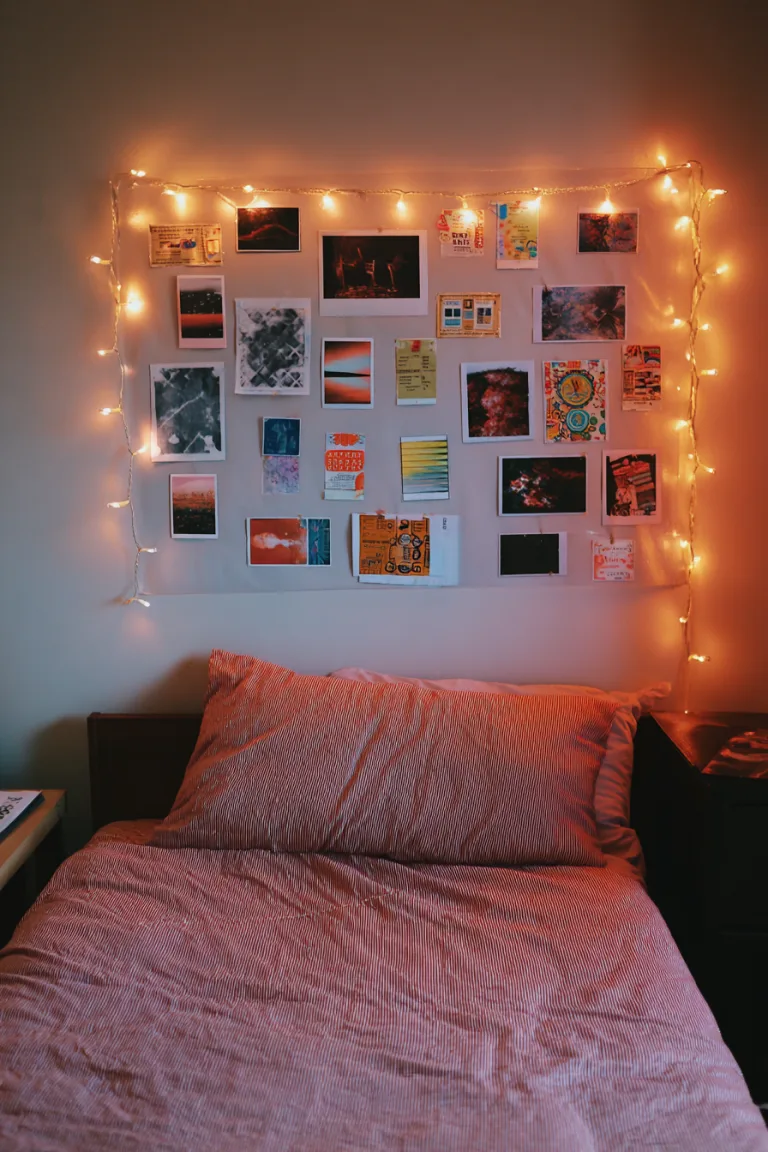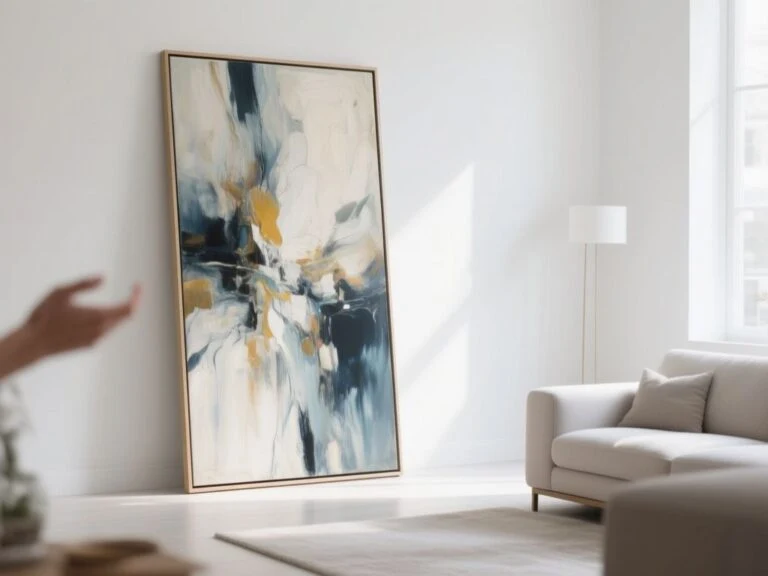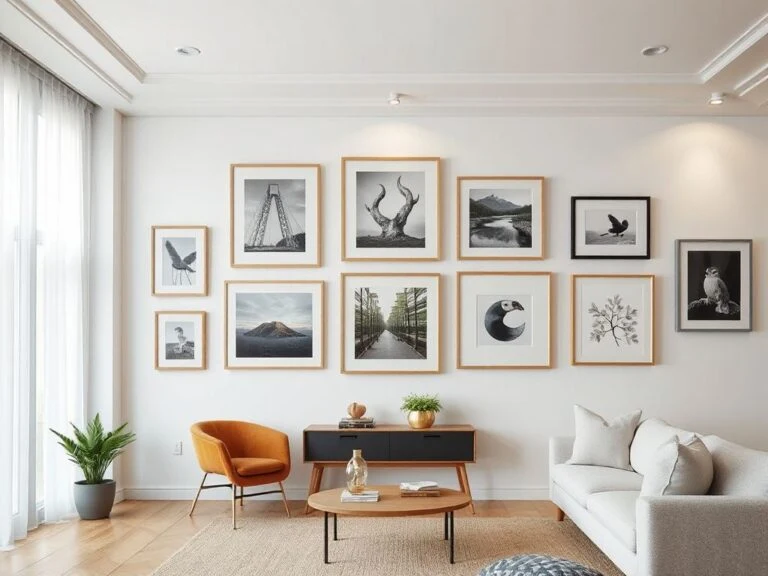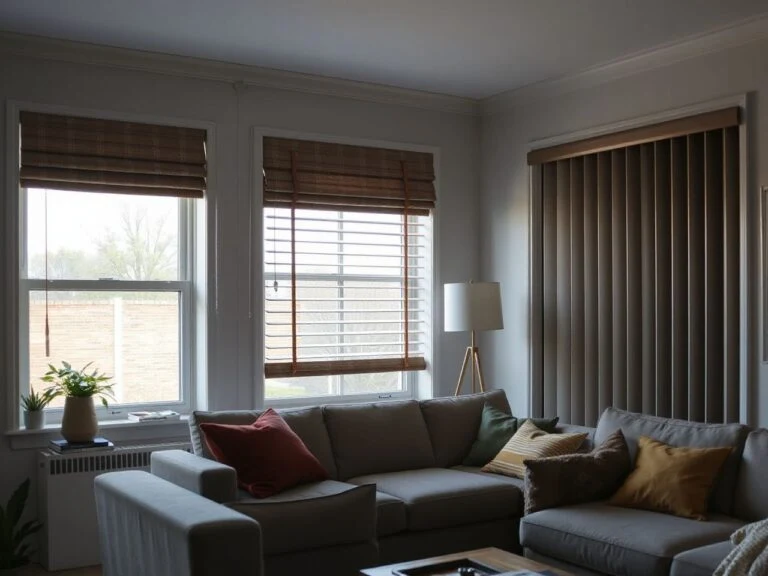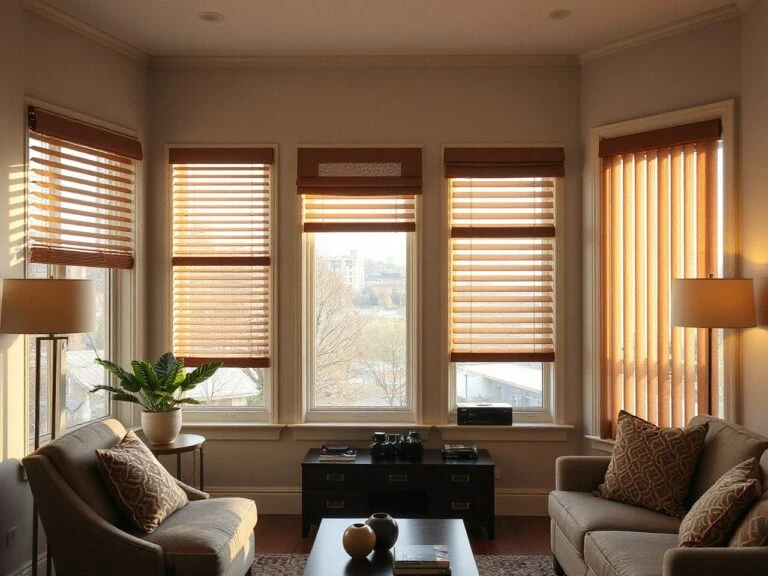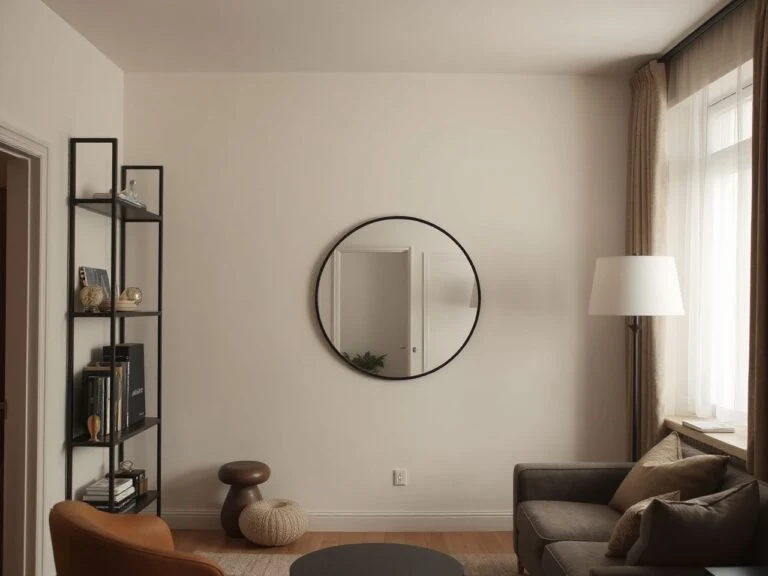
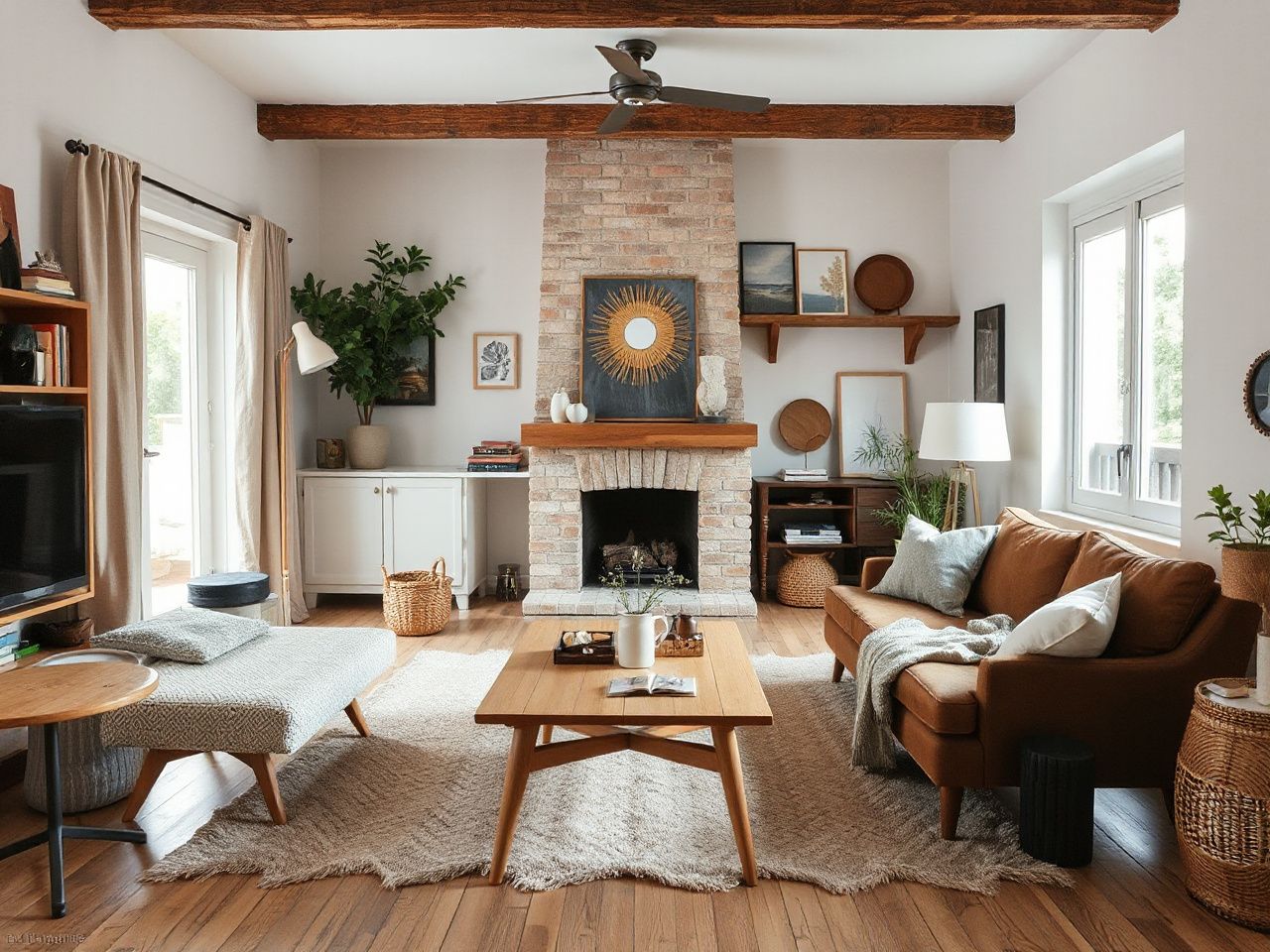
Home decor has shifted toward rooms that feel collected, adaptable, and connected to the way people actually live. A list of home decor styles is useful only when it explains more than the colors or objects associated with each look. The useful distinction is between a style’s defining principles and its recognizable accessories: a room can borrow a color or object without actually following the underlying approach to form, materials, proportion, and function. A strong list should also separate historical styles, regional traditions, and modern blends, while showing where their boundaries overlap rather than presenting them as mutually exclusive categories.
Key Takeaways
- Choose a style by studying how you live, how your room is built, and which materials already belong there.
- Use defining principles rather than isolated colors or accessories to tell Scandinavian, farmhouse, industrial, or coastal design apart.
- Mix styles through a shared proportion, color scheme, material palette, or practical purpose while keeping circulation and upkeep in view.
How to Read a List of Home Decor Styles
Style names are useful shorthand, but they are not sealed categories. A room may combine a traditional architectural shell with contemporary furniture, Scandinavian restraint with a few Bohemian textiles, or industrial lighting with farmhouse joinery. The name describes a direction rather than a compulsory shopping list.
Home decor style is a flexible visual framework. It guides decisions about shape, finish, color, texture, scale, and use, while leaving room for personal objects and practical compromises. Architecture is the part that gives a building its structural character; decor is the layer that arranges furnishings, surfaces, textiles, art, and objects within that setting.
Style principles versus style signals
A style principle explains why a room looks and functions as it does. A style signal is a recognizable clue that may appear without the larger design logic. A woven basket can appear in a farmhouse, coastal, Scandinavian, or Bohemian room, yet the basket alone proves very little.
Scandinavian design generally reads through visual calm, useful forms, restrained decoration, and a clear relationship between light and surface. Pale colors may support that feeling, but pale colors alone do not make a room Scandinavian. The same distinction applies to farmhouse style, where a rustic-looking object cannot substitute for a broader sense of comfort, utility, material honesty, and connection to the building.
A room is genuinely Scandinavian when its furniture, circulation, lighting, and surface choices support simplicity and daily use rather than merely repeating a pale color scheme. A farmhouse room gains credibility from the relationship between practical forms, tactile materials, and an unforced sense of age rather than from a single sign such as a reclaimed-looking sign.
Decorating style and architectural style
Architectural style describes the building’s form and inherited features. It can include the shape of the rooms, window arrangement, ceiling treatment, structural details, and original materials. Decorating style describes the movable and replaceable decisions made inside that structure.
A traditional house can hold contemporary decor, and a new apartment can contain traditional furniture. The result works when the new choices acknowledge the room’s scale, openings, light, and existing materials. A style that ignores those conditions may look like a display set rather than a lived-in interior.
Architectural character can support a decorating style, but architecture does not dictate every furnishing decision. Existing materials, natural light, room function, and circulation should be assessed before a style label is applied.
For a broader explanation of how labels differ from actual design decisions, see this clear guide to choosing a home decor style. It helps place individual looks within the larger language of interior design principles.
Beginner: Choose a Style That Fits the Room and the Routine
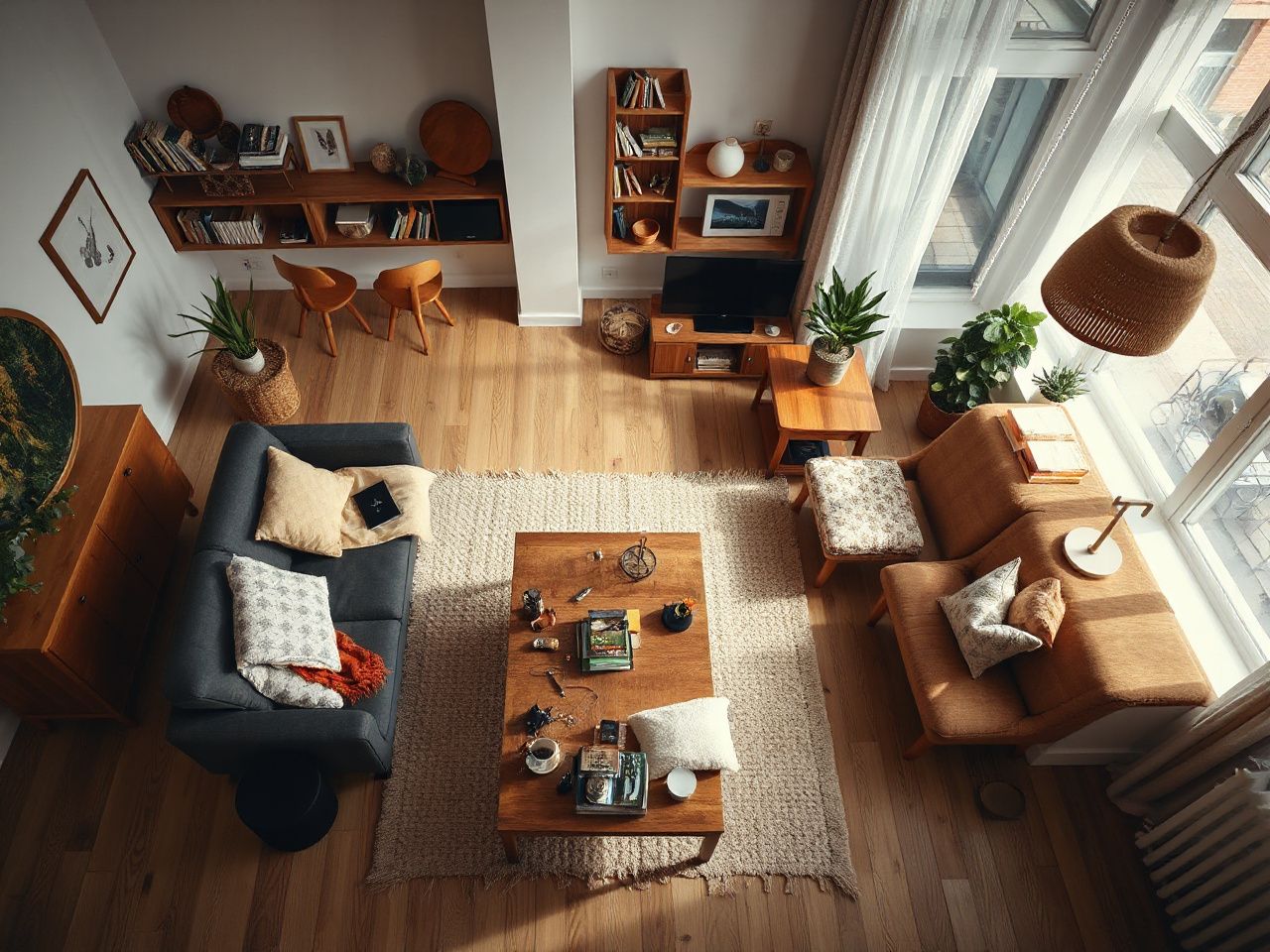
The most useful starting point is not a favorite photograph. Start at the doorway. Check the width before admiring the sofa, then study the route through the room, the position of doors and windows, the natural light, and the work the space must support. A beautiful style becomes a poor choice if its furniture blocks movement or its surfaces make ordinary upkeep needlessly difficult.
Step 1: Name the room’s real job
Write down what the room needs to support. A sitting room may need conversation, reading, entertaining, or quiet rest. A dining area may also serve as a work surface. A bedroom may need visual calm, storage, and a clear path around the bed.
Function affects every style. Industrial design may suit a room that can carry strong visual structure and hard-wearing surfaces, while a softer Scandinavian approach may suit a space that benefits from visual clarity. Bohemian decorating can accommodate layered textiles and collected objects, but those layers still need a sensible cleaning routine and stable placement.
A room’s function should determine furniture placement before decorative accessories are added. That principle protects circulation and keeps style from becoming an obstacle.
Step 2: Read the existing architecture
Look at the room’s permanent features before choosing a palette. Notice the ceiling shape, window proportions, floor material, trim, exposed structure, and built-in storage. These features form the room’s fixed voice, even when the furnishings change.
Mid-century modern decor often benefits from clear lines and visible furniture proportions, but a room does not need to become a period recreation. Art Deco may draw attention to geometry, contrast, and polished visual rhythm, yet a single geometric mirror does not create an Art Deco interior. Traditional style can be expressed through balanced arrangement and familiar forms without turning every room into a historical stage set.
Existing materials can either support or conflict with a chosen style. A very ornate shell may need simpler furnishings to prevent visual congestion, while a plain modern room may need texture and shape to avoid feeling unfinished.
Step 3: Match the style to upkeep
Every style creates a maintenance pattern. Open shelving exposes objects to dust and asks for deliberate editing. Layered textiles can bring warmth and softness, while also adding surfaces that need regular care. Pale, low-contrast rooms reveal some marks quickly but may make visual disorder easy to spot. Dark, richly varied rooms can disguise small changes while requiring careful control of texture and light.
Industrial style often makes structure and surface visible, so scratches, wear, and uneven texture may become part of the room’s appearance rather than a problem to conceal. Coastal style can feel light and relaxed, yet a room filled with loosely placed decorative objects still needs clear storage and safe circulation.
Maintenance is part of design, not a separate chore added later. A room ages well when its materials, storage, cleaning habits, and degree of visual layering agree with the household using it.
Step 4: Build a small design brief
A short brief keeps a style from becoming a vague mood. Record the feeling you want, the activities the room must support, the existing features worth preserving, and the types of visual clutter you want to limit. Add a simple material and color direction, but leave room for variation.
- Form: Decide whether the room needs soft curves, crisp geometry, substantial shapes, or a restrained mix.
- Material: Note which existing surfaces should remain visible and which need balancing with softer textures.
- Color: Choose a family of related tones rather than assigning every object the same color.
- Function: Reserve space for storage, movement, ventilation, and the room’s central activity.
A written brief gives personal taste a useful boundary. It also makes it easier to update one room without forcing the rest of the home into a new identity.
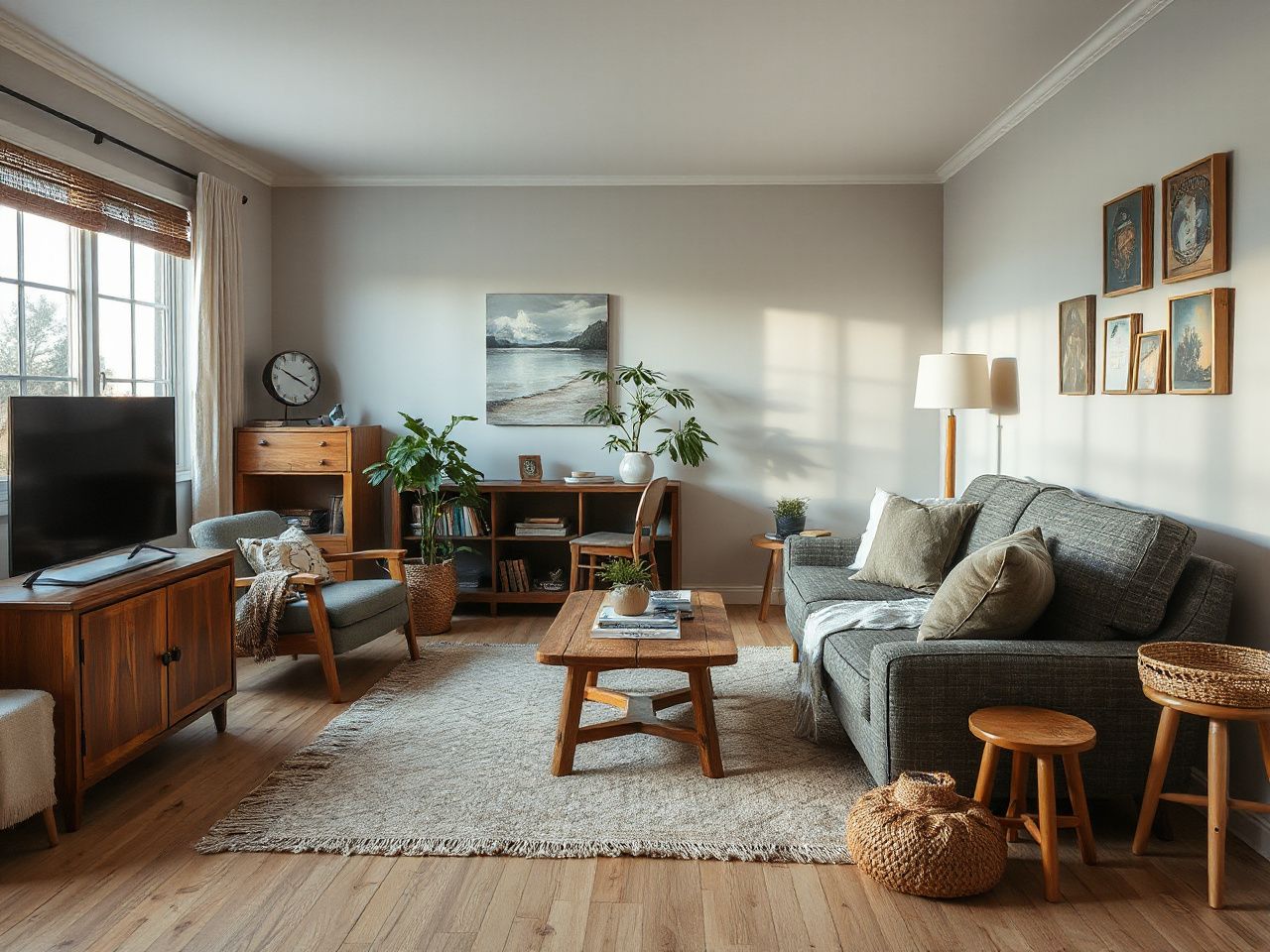
Intermediate: Recognize the Main Styles Without Reducing Them to Stereotypes
The following categories are practical reference points, not strict boxes. Their boundaries overlap, and cultural or historical styles need context rather than treatment as interchangeable visual labels.
Mid-century modern
Mid-century modern usually centers on clean geometry, purposeful furniture, visual lightness, and a strong concern for proportion. The style can feel warm when wood tones, textiles, and carefully chosen art soften its orderly shapes. A room loses its balance when a few recognizable forms are crowded by unrelated accessories.
Scandinavian design
Scandinavian design favors clarity, useful forms, restrained decoration, and a close relationship between light and everyday comfort. Its appeal is often mistaken for a pale palette, but color is only one part of the approach. Furniture scale, negative space, surface texture, and practical storage matter just as much.
Scandinavian rooms can include darker accents, vintage pieces, or personal art when those additions remain proportionate to the room. The defining quality is the calm relationship between use and appearance, not the presence of a particular shade.
Japandi
Japandi combines the quiet restraint associated with Japanese interiors and the functional warmth often associated with Scandinavian design. The result can use low visual clutter, natural-feeling surfaces, simple shapes, and deliberate empty space. The style works through editing and proportion, not through a fixed set of decorative objects.
Personal objects belong in a Japandi room when they have meaning and a clear place. A sparse room is not automatically Japandi; the arrangement must show intention rather than absence alone.
Industrial style
Industrial style emphasizes structural expression, practical forms, and materials that show texture or construction. It can suit a room with strong architectural elements, but those elements do not need to be imitated with theatrical accessories. The most convincing version allows the building’s existing character to lead.
Industrial interiors can become visually hard if every surface and furnishing repeats the same severe note. Upholstery, rugs, artwork, and softer lighting can add balance without removing the style’s directness.
Bohemian style
Bohemian style welcomes layering, collected objects, varied textiles, and a sense of personal history. Its strength comes from relationships among color, texture, and memory rather than from perfect matching. Eclectic decorating often overlaps with Bohemian rooms, although eclectic design can be more controlled or more varied depending on the composition.
Layering needs an editing point. Stable furniture placement, clear walking paths, and a defined surface for everyday tasks keep a richly decorated room usable.
Farmhouse style
Farmhouse style draws on practical comfort, familiar forms, tactile surfaces, and a connection to domestic work. Modern farmhouse rooms often simplify those references, while older or more traditional interpretations may retain stronger ornament and visual weight.
White walls, wood accents, and woven pieces do not automatically create farmhouse character. The room should show a consistent relationship among utility, proportion, age, and comfort.
Coastal style
Coastal style uses light, air, relaxed forms, and a material palette that suggests an easy relationship with the outdoors. Blue and white may appear, but they are not a requirement. The sense of openness depends on furniture placement, window treatment, texture, and the amount of visual space left around objects.
Coastal rooms can lose their quiet quality when every accessory repeats a maritime symbol. Texture and light usually communicate the idea more effectively than a collection of themed objects.
Art Deco
Art Deco is associated with strong geometry, deliberate symmetry, contrast, and a sense of polished form. A modern room can borrow its visual discipline through furniture silhouettes, lighting shapes, or carefully framed pattern without becoming a historical reproduction.
The style needs proportion. Repeating bold shapes across every surface can make a room feel compressed, while a considered focal area allows the geometry to read clearly.
Traditional style
Traditional style values familiar proportions, visual balance, layered detail, and furniture that feels connected to established forms. It can be formal or relaxed, depending on the materials, arrangement, and degree of ornament.
Traditional rooms do not need to be frozen in time. Contemporary lighting, simplified textiles, or personal artwork can refresh the setting while preserving its underlying order.
For a more condensed reference, the practical look at different home decor styles can help you compare these frameworks before making a room-wide decision.
Advanced: Mix Styles Without Making the Room Chaotic
Mixed-style rooms feel personal when the differences are arranged rather than scattered. The aim is not perfect coordination. The aim is a clear relationship among the things that remain, the things that contrast, and the space left between them.
Use one shared anchor
Choose a common thread before combining styles. The anchor might be a restrained color family, a repeated material, a similar furniture scale, a consistent level of formality, or a shared respect for open space. One anchor gives unlike pieces a reason to coexist.
Scandinavian and Japandi often meet through restraint, natural-feeling textures, and careful use of empty space. Farmhouse and traditional style can connect through familiar forms and tactile materials. Industrial and mid-century modern can work together when their furniture proportions and visual weight are compatible.
Styles tend to clash when they compete at the same visual volume without a unifying principle. A highly ornate traditional arrangement, a heavily themed coastal display, and a severe industrial treatment may each be attractive alone but difficult to read together.
Control the ratio of old, new, quiet, and expressive
A mixed room needs areas of rest. If every object makes a strong statement, the eye has nowhere to settle. Let one group carry the strongest pattern or shape, then allow nearby pieces to support it through scale or material rather than competing for attention.
Personal rooms usually contain contrast. A vintage object beside a simple contemporary form can feel more convincing than a room assembled from one catalog language. The connection should be visible in the arrangement, not hidden behind excessive matching.
Respect cultural and historical references
Cultural styles should be described with context and used with care. A regional craft, historical form, or sacred symbol is not merely a decorative shortcut. Learn what an object represents, avoid presenting a meaningful tradition as a generic theme, and give authentic work proper context when it enters the room.
Respectful decorating begins with attention. It also means accepting that a room can be inspired by a broad design principle without claiming ownership of a culture’s complete visual language.
Keep practical needs visible
Decor choices must not compromise safe circulation, suitable material use, stable furniture placement, or appropriate ventilation. A display that narrows a doorway is a layout problem regardless of its style. Furniture that wobbles, blocks a vent, or creates a trip point needs correction before aesthetic refinement.
The U.S. Consumer Product Safety Commission provides public safety information about household furniture and products at CPSC.gov, so its guidance is a sensible reference when furniture stability or placement raises a safety concern. Safety guidance belongs alongside style decisions because a visually successful room still needs to function safely.
Furniture stability is part of interior design, not an optional finishing detail. A well-composed room protects movement and keeps its major pieces securely placed.
Update a room without erasing its character
Begin with the features that give the room its identity. Preserve original trim, distinctive flooring, unusual proportions, built-ins, or materials that still serve the space. Change the elements that create friction, such as an awkward arrangement, excessive visual repetition, or decor that no longer supports the room’s use.
One careful change can clarify a room more effectively than a complete replacement. Reposition furniture, remove weak accessories, adjust the color balance, or introduce a contrasting piece that respects the architecture. Sustainable and vintage decor can help maintain continuity when the existing character deserves attention rather than concealment.
When a preferred style conflicts with the home’s light, layout, or period, borrow its principles instead of copying its surface. A small apartment may express industrial directness through shape and texture without adding bulky objects, while a dim room may use the calm organization of Scandinavian design without relying on a rigid pale palette. Guidance on decorating a small apartment around circulation and scale can help translate a style into a tighter plan.
Maintenance, Cost of Upkeep, and Long-Term Fit
Style does not determine maintenance on its own. The real workload comes from the number of surfaces, the delicacy of finishes, the openness of storage, the amount of textile layering, and how easily furniture can be reached for cleaning.
How styles affect cleaning
A room with many small objects takes more time to clear and dust than a room with edited surfaces. Open shelving keeps possessions visible but makes cleaning part of the visual rhythm. Deep texture can disguise minor changes while also holding more visible variation in light and shadow.
Bohemian and layered traditional rooms may ask for more frequent editing because their character depends on relationships among many pieces. Japandi and restrained Scandinavian rooms may make clutter more noticeable because each object has greater visual importance. Neither approach is automatically easier; the right choice depends on the household’s routine.
Cleaning access should be considered during furniture arrangement. A chair placed tightly against a wall or a crowded display surface can turn an ordinary task into a recurring nuisance.
How styles age
A style ages well when wear can join the room’s visual language. Industrial and farmhouse interiors may accommodate visible changes in surfaces, while highly polished or strongly coordinated rooms may make small damage more conspicuous. That does not make one approach superior. It reveals the kind of change the room is prepared to show.
Materials should suit the work they need to perform. Soft furnishings in a high-use area need a realistic care plan, and fragile objects need stable placement away from everyday traffic. A room feels more settled when its decorative ambition agrees with its physical demands.
Do some styles cost more to maintain?
Style names do not provide a reliable maintenance price. Upkeep depends on the number of pieces, the materials selected, access for cleaning, replacement needs, and the care required by particular finishes. A sparse room can contain a demanding surface, while a layered room can rely on durable, forgiving objects.
Consider recurring effort before committing to a visual direction. Ask how often surfaces need clearing, how easily textiles can be cared for, whether furniture can move safely for cleaning, and whether the room still works when a decorative object is removed.
A maintenance plan should be part of the original design brief. That approach prevents a room from looking finished while quietly creating an unreasonable routine.
Use standards and guidance carefully
Decor advice should never replace instructions supplied with a furnishing, lighting product, or building system. The American Society for Testing and Materials maintains information about standards and consensus work at ASTM.org; readers can consult the relevant manufacturer instructions and recognized bodies when a question involves material use or product safety.
Do not assume that a style label confirms suitability for a particular room. Ventilation, stability, circulation, and the instructions attached to a product remain practical requirements regardless of whether the surrounding decor is coastal, traditional, or industrial.
How to Make the Final Choice
Reduce the decision to a few clear tests. The chosen style should support the room’s activities, respect its architecture, fit the available light, and allow the household to maintain it without resentment. It should also leave space for personal objects that carry meaning.
- Check the doorway and circulation. Confirm that the intended furniture arrangement allows a clear route through the room.
- Study the fixed features. Let windows, floors, ceilings, trim, and built-ins influence the direction.
- Identify the defining principles. Describe the style through form, material, proportion, and function rather than accessories alone.
- Choose a shared anchor. Use color, scale, texture, or visual quiet to connect mixed influences.
- Plan for upkeep. Consider dusting, textile care, access, wear, and the way the room should age.
- Keep meaningful irregularity. Personal objects and vintage pieces can prevent a room from feeling overly coordinated.
The style that feels most personal is rarely the one with the strictest label. Personal character comes from decisions that reflect the room’s architecture, the household’s habits, and objects that have a reason to be present.
A useful design choice survives ordinary life. If the room remains comfortable, navigable, maintainable, and recognizably yours, the style is doing its job.
Frequently Asked Questions About a List of Home Decor Styles
How do I choose a home decor style that fits the way I live?
Begin with the room’s activities, circulation, light, and upkeep rather than a visual trend. Note whether you need open floor area, concealed storage, layered comfort, or easy-to-clear surfaces. Then select a style whose principles support those needs. A style is a useful fit when its furniture forms, materials, and degree of decoration make daily routines easier rather than creating obstacles.
Can I mix home decor styles without making a room look chaotic?
Yes. Choose one shared anchor, such as a related color family, compatible furniture scale, repeated material, or similar level of formality. Allow one group of pieces to carry the strongest contrast and give the surrounding area visual rest. Mixed styles become confusing when every object competes equally. A clear layout and stable circulation matter as much as the decorative connection.
How can I tell whether a room is genuinely Scandinavian or farmhouse?
Look beyond color and familiar accessories. Scandinavian design depends on useful forms, restraint, light, proportion, and practical calm. Farmhouse style depends on domestic comfort, tactile materials, familiar forms, and a connection to utility. A pale palette, woven basket, or wood accent can appear in either room without defining it. Study the complete relationship among furniture, surfaces, spacing, and function.
Which styles usually work together, and which combinations can clash?
Styles with compatible proportions and a shared level of visual intensity usually combine more easily. Japandi and Scandinavian design can connect through restraint, while farmhouse and traditional style may meet through familiar forms and tactile materials. Clashes often happen when ornate, heavily themed, and highly industrial elements all compete for attention. Use one anchor, reduce repetition, and preserve areas of visual quiet.
How can I update an existing room without losing its original character?
Identify the permanent features that give the room its identity, then change the elements that interfere with function or balance. Repositioning furniture, editing accessories, adjusting the color relationship, or adding one contrasting contemporary piece can refresh the room without erasing its architecture. Preserve distinctive materials and proportions when they still serve the space. A complete replacement is not required for a clearer result.