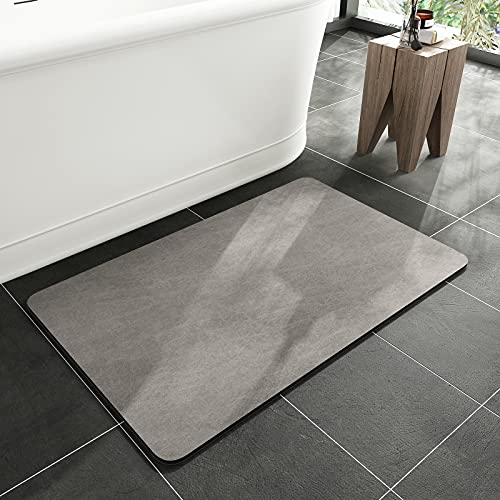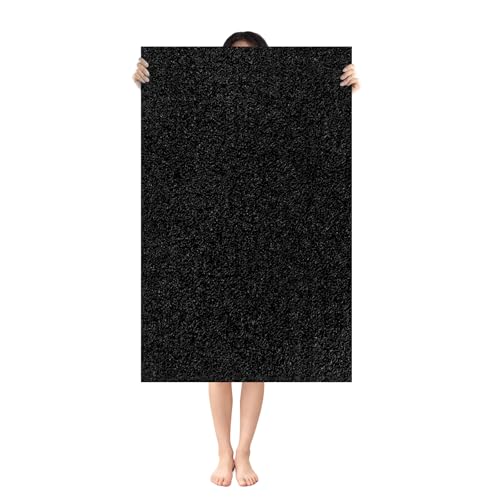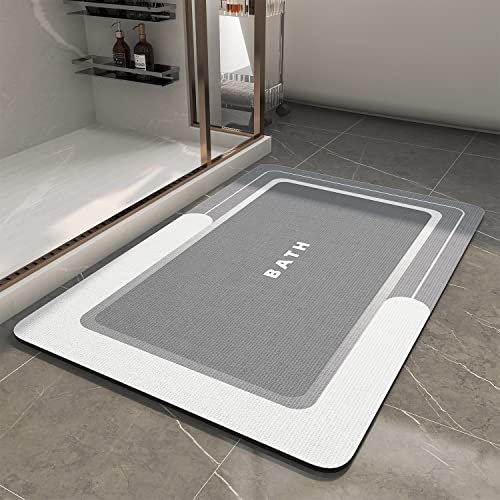
Most bath mats fail the same way: they look plush in the store, then slide across wet tile and take half a day to dry. The memory foam vs cotton bath mat question isn’t about softness—it’s about how fast the thing sheds water and whether it stays put. My pick is the Feather & Stitch 2 Piece Towel Like Bath Mats, a 100% cotton terry set that dries quickly and grips the floor.
Save your time and go with the Feather & Stitch cotton mats. On the numbers that matter for a bathroom floor—absorbency per square inch, drying speed, and washability—they beat the DIY foam option by a mile.
📌 This article contains affiliate links. As an Amazon Associate I earn from qualifying purchases, at no extra cost to you. Full disclosure.
CERTAIN CONTENT THAT APPEARS ON THIS SITE COMES FROM AMAZON. THIS CONTENT IS PROVIDED ‘AS IS’ AND IS SUBJECT TO CHANGE OR REMOVAL AT ANY TIME.
Comparison Table
| Product | Best For | Buy Link |
|---|---|---|
| Feather & Stitch 100% Cotton Terry Bath Mats | Everyday bathroom floor | Check Price |
How We Chose These Bath Mats
We narrowed this down by comparing published specifications and materials against what actually separates a decent bath mat from a regret. For memory foam alternatives, firmness (ILD) and thickness dictate comfort, but a dense foam that retains moisture will mildew. For cotton, the weight (GSM) and loop height determine absorbency, and only a 100% cotton terry mat that can survive repeated hot-water washes without delaminating its backing earns a place. The failure mode buyers hit is selecting a mat that looks soft but either slides on wet tile or traps water against the floor, so the deciding criteria are backing adhesion, on-floor grip, and time to air-dry. Before you order any mat, check the actual dimensions against the clear floor space in front of your tub or shower—many mats arrive smaller than you expect. One product here is a genuine bath mat; the other is a foam cushion being repurposed by some shoppers, and that distinction matters more than price.
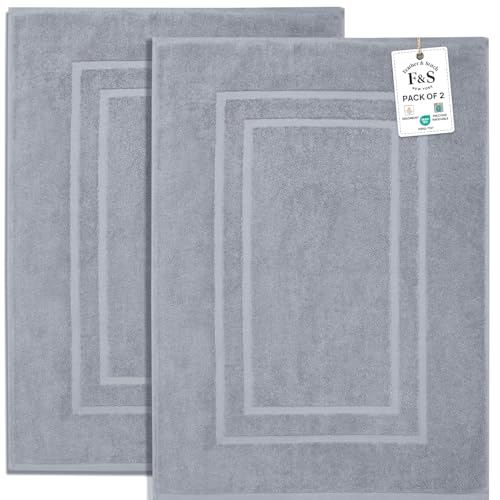
Feather & Stitch 100% Cotton Terry Bath Mats (2-Piece Set)
Why it made our list: These are purpose-built bath mats with a 1000 GSM cotton terry pile that actually absorbs water instead of just looking fluffy.
The 30 x 21 inch size of each mat is a slightly large step-out footprint, but still compact enough for most apartment bathrooms. What sets this set apart is the 1000 GSM weight—GSM stands for grams per square meter, and 1000 is heavy for a bath mat; most cotton bath towels run 400 to 600 GSM. That dense terry loop construction soaks up a lot of water quickly, which is exactly what you need when you step out of the shower with dripping ankles. The fabric is 100% cotton, so unlike synthetic microfiber, it’s naturally absorbent and can be washed in hot water to kill mildew and bacteria. The listing says “fast drying,” and while cotton doesn’t dry as fast as polyester, a 100% cotton terry mat of this weight will air-dry noticeably faster than a foam mat because the loop pile allows air to circulate through the fibers rather than trapping moisture inside a dense core.
One honest annoyance: the listing does not state what the backing is made of. Most cotton bath mats use a latex or rubber spray-on backing to keep them from sliding, but that layer is the first thing to crack and peel if it goes through a hot dryer too many times. If the backing here is thin or poorly bonded, the mat will still bunch up on tile. That’s a spec gap worth checking before you order. The set includes two identical mats, so you can rotate one into the wash while the other stays on the floor—a feature I consider essential for a bathroom that gets daily use. However, at 30 x 21 inches, one mat may be too narrow to stand on with both feet shoulder-width apart; if you have a wide stance or a large bathroom, you might need to place the two mats side by side rather than in separate spots.
Pros:
- 1000 GSM cotton terry — that heavyweight loop pile absorbs far more water per square inch than a typical 500 GSM mat.
- 100% cotton construction — safe for hot-water machine washing, which is the only reliable way to kill the bacteria that cause musty bathroom odors.
- Two mats in one set — practical for rotation: wash one, use the other, and never stand on a damp mat two days in a row.
- Fast-drying loop design — the open terry loops let air move through the pile, so the mat dries by evaporation rather than sitting soaked against the floor.
Cons:
- Backing material not specified — if it’s a thin latex spray, expect cracking or peeling after repeated high-heat dryer cycles; air drying is safer.
- 30 x 21 inches may be too small — a single mat won’t fit both feet side by side for many adults, so the “2 piece” set is really one usable mat plus a spare.
- White and light colors show stains — cotton terry grabs toothpaste, hair dye, and dirt; you’ll be washing these more often than a darker synthetic mat.
Our Take
Perfect for: Anyone who wants a real bath mat that absorbs water on contact, dries quickly, and can be thrown in the washing machine without falling apart. Not great if: You need a single oversized mat for a spacious master bath, or you refuse to air dry and will blast everything on high heat. Check current pricing:
What to Look For in a Bath Mat: Memory Foam vs Cotton
When you stand on a bath mat, you’re really choosing between two failure modes. Memory foam feels soft at first but holds water like a sponge, and once it’s saturated, it stays damp against the floor for hours. Cotton terry absorbs just as well but dries from the surface inward, which makes mildew far less likely. For most bathrooms, the smarter choice is cotton—and this guide assumes you’ve already read our bath mat buying guide to understand the basics of sizing and placement.
The difference between memory foam and cotton bath mat materials
Memory foam is a viscoelastic polyurethane that compresses under weight and slowly springs back. That slow rebound is luxurious for a few seconds, but the same open-cell structure that makes it soft also makes it absorb water. Cotton terry, by contrast, is woven loops of 100% natural fiber that pull moisture away from your feet and let it evaporate quickly. The Feather & Stitch mats use a 1000 GSM cotton terry, which means the loops are dense enough to soak up a lot of water without becoming a sopping mess. Memory foam bath mats often look plusher in photos, but they need to be hung over a towel bar after every single shower or they’ll develop black mildew spots within weeks. Cotton can still mildew if left sopping wet, but it air-dries in a fraction of the time because air passes through the loops.
Absorbency and Drying Speed
Absorbency is not the problem—both materials can hold water. The real question is what happens in the two hours after your shower. A 1000 GSM cotton mat pulls water off your feet fast, and because the terry loops are exposed to air on all sides, evaporation starts immediately. A memory foam mat with a microfiber cover might soak up water quickly, but the water sinks into the foam core and stays there. That trapped moisture is why memory foam mats develop a sour smell even when they look dry on top. For drying speed, cotton wins every time, which is exactly why we picked the Feather & Stitch set as our top recommendation. If you’re shopping on a budget, our list of bath mats under $100 includes several cotton options that dry just as fast.
Thickness and Foot Feel
People assume thicker equals better, but that’s only true up to a point. A comfortable memory foam bath mat is usually 1.5 to 2 inches thick with a much lower ILD, around 15 to 25, so your heels actually sink in slightly. Cotton mats have almost no vertical give; their comfort comes from the softness of the loop pile itself, not from compression. If you have sore knees or back pain, a soft cotton mat won’t provide much joint relief, but neither will a rock-hard 1-inch foam board. For genuine cushioning, you’d need a thicker, softer foam—and then you’re back to the mildew problem. On hard floors, especially hardwood, a cotton mat with a quality nonslip backing is also less likely to leave scratches, a topic we cover in our guide to bath mats for hardwood floors.
Backing and Grip
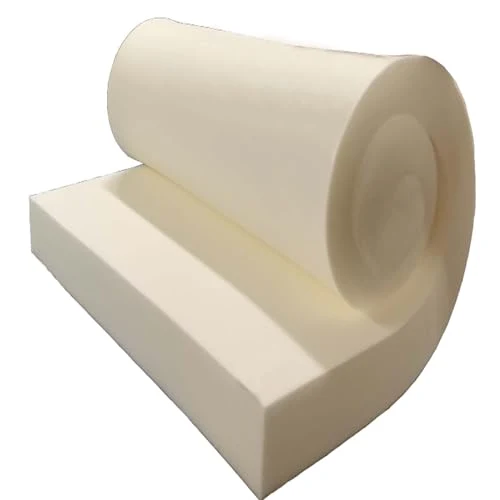
The number one reason bath mats get returned is slipping. A cotton mat needs a rubber or latex backing that actually grips tile, and that backing has to survive washing. The Feather & Stitch listing doesn’t specify the backing, which is a real omission—you should look for a product photo that shows the underside before ordering. Memory foam mats often have a similar rubber backing, but because the foam is thicker and softer, the mat can shift and bunch underfoot more easily. A 24×72 inch foam sheet with no backing at all is the worst case: one step and you’re doing the splits on wet porcelain.
Our Final Recommendation
For everyday bathroom use in 2026, the Feather & Stitch 100% Cotton Terry Bath Mats are the clear winner. The 1000 GSM loop pile absorbs water fast, the two-piece set gives you a rotation for laundering, and cotton can handle the hot washes that actually kill odor-causing bacteria. Skip the DIY foam experiment, buy the cotton set, and if you want extra cushion, add a washable insole as a layer underneath. Budget pick? Same Feather & Stitch—at a mid-range price for two mats, it’s the better value by far compared to foam slabs repurposed as bath mats.
Frequently Asked Questions
Should I choose a memory foam or cotton bath mat for sore knees or back pain?
Neither a 1-inch firm foam cushion nor a flat cotton mat will do much for joint pain. Real relief requires at least 1.5 inches of soft foam with a low ILD rating, but that same foam will trap water and mildew quickly. If you have knee issues, use a cotton mat for absorbency and pair it with a separate washable gel or memory foam kneeling pad that you store outside the shower area.
Can I throw a cotton bath mat in the washing machine and dryer?
Yes, 100% cotton terry mats are machine washable in hot water, which is the only way to kill the bacteria that cause musty smells. The catch is the backing: if it has a rubber or latex spray, high dryer heat will crack and peel it over time. Air drying is safest, but if you must use a dryer, keep it on low or no heat. The Feather & Stitch listing doesn’t specify the backing, so check the underside before you buy.
How do I stop a memory foam bath mat from getting moldy?
The only reliable method is to hang the mat over a shower rod or towel bar after every use so air can reach both sides. Never leave a memory foam mat flat on the floor, even if it has a “quick-dry” cover—the water still saturates the foam core. Washing a memory foam mat is risky because the foam can break down in a washing machine, and machine drying can ruin the nonslip backing. Rotation with two mats doesn’t help if both are foam and both stay damp.
What does ILD mean, and why doesn’t a higher ILD mean better for a bath mat?
ILD stands for Indentation Load Deflection: the pounds of force needed to compress a foam sample by 25%. Bath mats need low ILD—around 15 to 25—to feel cushy under bare feet. A high ILD on a thin mat just means your heels hurt faster. So when you see ILD specs, think: lower number, softer step.