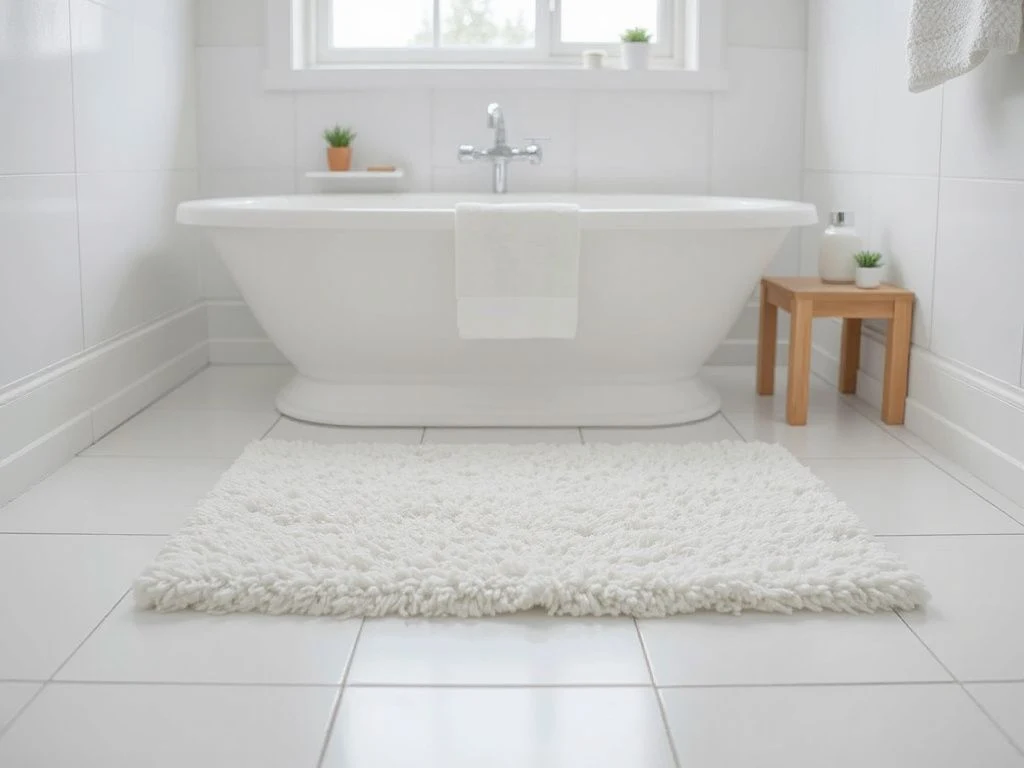
Does your bath mat actually dry between showers, or is it quietly turning into a biology experiment under your feet? Even perfect lamp placement cannot save a dimly lit bathroom when a soggy mat is ruining the morning routine. The real challenge in bath mats isn’t picking a pretty design—it’s balancing absorbency with drying speed. Most people grab thick plush mats without realizing they trap moisture, which leads to musty smells and premature wear. The materials that hold up are the ones built for evaporation: fibers that wick water away from the surface, and a breathable backing that doesn’t create a vacuum against the floor, so air can reach the underside and the mat dries from both faces between showers. This guide to buying bath mats walks through materials, sizing, washing, and long-term care so you can choose a mat that actually performs.
Key Takeaways
- Quick-drying materials like microfiber and bamboo outperform thick plush cotton in humid bathrooms because they resist trapping moisture.
- Choose a mat with rubber or latex backing and measure your door clearance to prevent slips and trips.
- Wash bath mats at least once a week and skip fabric softener, which coats fibers and ruins absorbency.
- A quality bath mat should last 1–2 years with proper care; replace it when backing cracks or odor persists.
Bath Mat Materials: The First Step in Your Buying Guide
Walk down any bath accessories aisle and you’ll see cotton, microfiber, memory foam, bamboo, teak, and even stone pebble mats. Each material behaves differently under wet feet, and choosing wrong means living with a damp, smelly rectangle for months. The key question isn’t which one looks best in your bathroom—it’s which one dries fastest after you step out of the shower.
Cotton and Chenille: The Absorbent Classics
Looped terry cotton and plush chenille feel soft and soak up water well, but they hold that moisture close to the floor. A thick cotton mat can stay damp for six to eight hours in a poorly ventilated bathroom, which is exactly when mildew starts to grow. Chenille’s tufted surface feels luxurious but traps even more water between its soft fibers. If you love the feel, choose a low-pile cotton mat and hang it over the tub edge after every use.
Microfiber and Bamboo: Quick-Dry Contenders
Microfiber mats dry noticeably faster than looped cotton because the synthetic fibers hold water on their surface rather than soaking it into a dense core. Good microfiber wicks moisture away from your feet and releases it to the air within a few hours. Bamboo fiber mats work similarly, but solid bamboo slat mats offer zero absorbency—water beads on top and runs off. Both resist mold better than cotton because they don’t stay wet long enough for spores to take hold. When shopping for cotton or microfiber, look for the OEKO-TEX Standard 100 label, which certifies that the fabric has been tested for harmful substances. Organic cotton mats certified by the Global Organic Textile Standard (GOTS) ensure the cotton was grown without synthetic pesticides.
Memory Foam and Plush: Comfort at a Cost
Memory foam bath mats feel amazing under bare feet, but they absorb water deep into the foam core, where air cannot reach. That trapped moisture breaks down the foam and creates a breeding ground for bacteria. If you insist on memory foam, wash it at least twice a week and hang it to dry completely between uses. The extra laundry is worth it only if you place the mat in a bathroom with strong ventilation or a window.
Teak and Stone: The Mold-Resistant Alternatives
Solid teak shower mats and stone pebble mats never absorb water, so they cannot grow mold inside their fibers. Teak’s natural oils resist rot, and slatted designs let air flow underneath. Stone pebble mats are heavy, naturally non-slip when wet, but cold on winter mornings. Both require occasional maintenance—teak needs a light sanding and oiling every six months, while pebble mats need a rinse and scrub to remove soap scum from between the stones.
Sizing, Safety, and Placement: Getting It Right the First Time
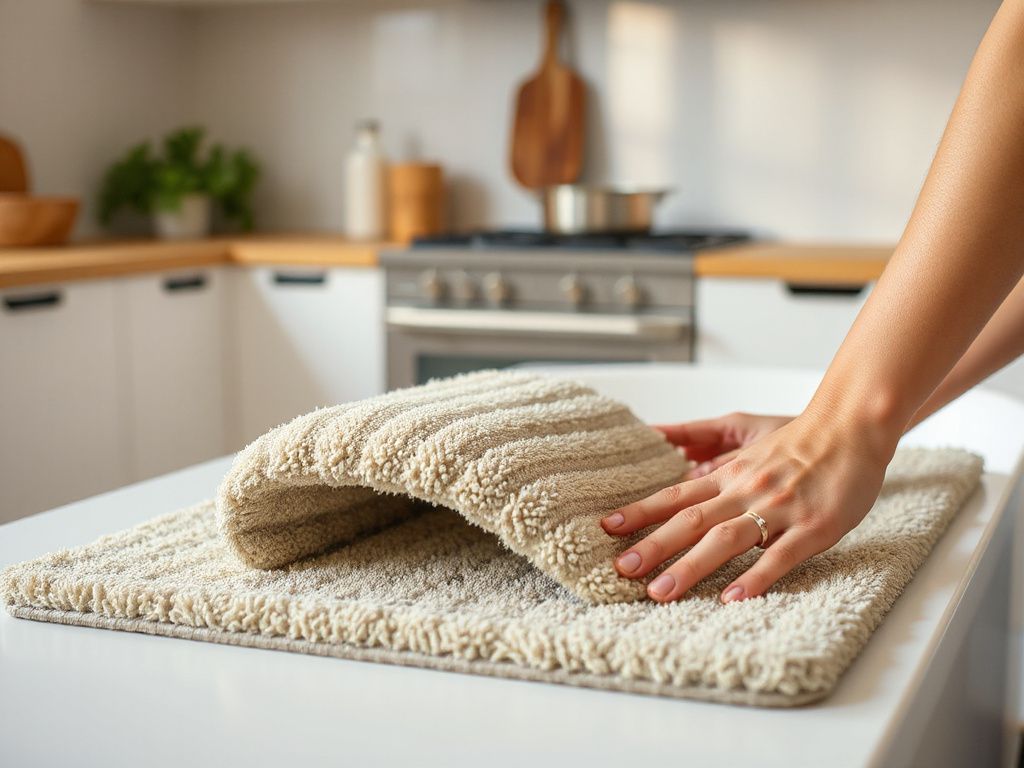
A bath mat that’s too small won’t catch the water dripping off you, and one that’s too large becomes a tripping hazard. Standard sizes range from small step-out mats about 17 by 24 inches to larger bath mats up to 24 by 40 inches or more. Measure the floor space between your shower door and the vanity, then subtract two inches on each side so the mat doesn’t bunch against baseboards.
How to Measure Your Bathroom Space
Grab a tape measure and note the width of your shower opening, the swing radius of the bathroom door, and the distance to the nearest vanity or toilet. A bath mat that extends past the swing of the bathroom door will eventually buckle at the edges, creating a trip hazard. If you have a narrow space, a runner-style mat (20 by 32 inches) often works better than a wide mat. Make sure the mat lies flat without turning up at the corners—curled edges catch toes.
Slip Resistance and Backing Materials
Slip resistance is the number one safety feature of any bath mat. Look for a mat with a rubber or latex backing that grips the floor. Avoid mats with cracked or peeling backing—once the grip is gone, the mat slides like a sled on wet tile. The U.S. Consumer Product Safety Commission tracks bathroom slip-and-fall injuries each year, many caused by unsecured mats. If you have a textured tile floor, a mat with small rubber dots often grips better than a solid rubber sheet.
Heated Floors and Special Considerations
Not all bath mats belong on heated floors. Rubber backing can degrade or delaminate when exposed to constant warmth from radiant heating systems, breaking down into a sticky mess that ruins the mat and the floor finish. Choose mats specifically labeled as safe for heated floors—usually those with silicone backing or no backing at all paired with a separate non-slip underlay. Check the manufacturer’s maximum temperature rating before buying.
Bath Mat vs Bath Rug: What’s the Difference?
A bath mat is functional: smaller, highly absorbent, non-slip, and placed right outside the shower or tub. A bath rug is decorative: larger, fluffier, often placed in front of the vanity, and may have no rubber backing at all. Using a rug where you need a mat means stepping onto a damp, sliding surface. For a child’s bathroom, choose a mat with aggressive non-slip backing, soft microfiber or cotton pile, and a bright color so little feet can see the safe zone.
Washing, Drying, and Beating Mildew: A Care Routine That Works
Bath mats collect more than water—they gather dead skin cells, soap scum, and whatever else your feet drag in. Washing once a week is the minimum for a household of two; if you have kids or live in a humid climate, wash twice a week. Use warm water and a mild detergent, and skip the fabric softener.
How Often to Wash and Best Practices
Every five to seven days is the sweet spot. Anything less and you’re standing on a biofilm of bacteria. Wash cotton and microfiber mats with towels on a normal cycle using warm water. For bamboo slat mats, wipe down with a damp cloth and mild soap—never submerge them. Teak mats need a scrub with a soft brush and occasional oiling. Stone pebble mats can be hosed off in the shower and scrubbed with a stiff brush.
Dryer Do’s and Don’ts
Most cotton and microfiber mats can go in the dryer on low heat, which fluffs the fibers and speeds drying. Never use high heat on a mat with rubber backing—the rubber melts or warps. Memory foam mats should be air-dried flat or hung over a rod; machine drying them on any heat breaks down the foam. Bamboo and teak mats must air dry completely before being placed back on the floor. If your mat has a musty smell after washing, dry it in direct sunlight for an afternoon—UV light kills mold spores.
Removing Mildew Smell and Preventing Slime
That slimy feeling underfoot is a biofilm—a colony of bacteria and fungi feeding on soap scum, dead skin, and minerals. Wash the mat in hot water with a cup of white vinegar instead of detergent to break down the biofilm. After washing, hang the mat to dry completely before putting it back. If the smell persists, soak the mat in a solution of one part white vinegar to three parts water for 30 minutes, then wash normally. For ongoing prevention, switch to a quick-dry material like microfiber and roll the mat up after each shower so air reaches the underside.
Advanced Considerations for Long-Term Performance
Once you’ve dialed in material, size, and washing, a few extra habits can double the lifespan of your bath mat. Rotate the mat every few weeks so wear and tear distribute evenly. If the mat still slides despite rubber backing, add a separate non-slip underlay pad made of natural rubber or PVC-free material. These underlays grip both the floor and the mat, preventing shifting without adding bulk.
When to Replace Your Bath Mat
A bath mat’s useful life typically ends when the rubber backing begins to crack, which usually happens after one to two years of weekly washing. Cracked backing lets moisture reach the floor and often leaves black marks on tile. Replace the mat immediately if you notice peeling, a permanent musty odor that washing won’t remove, or if the mat no longer dries within 24 hours even in a ventilated bathroom. Sticking with a dead mat is false economy—the mold risk isn’t worth the few dollars saved.
Matching Your Mat to Your Bathroom Style
Color and texture matter less than performance, but nobody wants a mat that clashes with the room. If you’re coordinating your mat with the rest of the bathroom’s look, understanding what home decor styles suit your space can help you pick a mat that complements instead of clashes. Bath mats in neutral earth tones often work well in most bathrooms; our guide on creating a cozy earth tones space shows how those colors bring warmth to any room. A mat that blends with your tile and towels makes the whole bathroom feel cohesive, even under harsh bathroom lighting.
Frequently Asked Questions About Buying a Bath Mat
What should I focus on first when buying a bath mat?
Start with drying speed and backing. In this bath mat buying guide, we stress that a mat that dries slowly will develop odor and bacteria regardless of how pretty it looks. Look for quick-dry materials like microfiber or bamboo fiber and a breathable backing that allows air to circulate underneath.
Can I put my bath mat in the dryer?
It depends on the material. Cotton and microfiber mats without rubber backing can go in the dryer on low heat. Mats with rubber or latex backing should be air-dried because heat melts the backing. Memory foam, bamboo, and teak mats must air dry to avoid warping or breaking down. Always check the care label before using a machine dryer.
Why does my bath mat feel slimy after a few days?
The slime is a biofilm—a layer of bacteria, fungi, soap scum, and dead skin cells that forms when a mat stays damp. Wash the mat more frequently, use white vinegar in the rinse cycle, and switch to a quick-drying material. Hanging the mat over the tub edge between uses also helps air reach the underside and prevents the biofilm from forming.