Indoor humidity above 60 percent invites mildew to colonize within 24 to 48 hours, according to the Environmental Protection Agency’s mold resources. That means the musty odor you notice after a weekend away is not a cleaning failure—it’s a moisture failure. Learning how to get rid of a bathroom mildew smell requires treating the damp source, not just the surface.
Most homeowners confuse a lingering musty smell with a cleaning problem when it’s actually a moisture management issue. Clean without controlling humidity and the smell returns within days. Aggressive scrubbing with bleach often makes the situation worse rather than better. Bleach is mostly water, and on porous grout and caulk it leaves a residue that holds moisture against the surface and gives returning mildew a new foothold. The real fix separates the act of killing mildew from the act of preventing the damp conditions that let it grow: ventilation, drying, and sealing porous surfaces like grout and caulk.
Before you reach for another bottle of cleaner, understand that mildew spores are airborne and present in nearly every home. The odor you detect comes from microbial volatile organic compounds released as mildew feeds and grows. Eliminate the moisture, and the odor source disappears. This article lays out a systematic approach that addresses both the smell and the conditions that produce it.
Key Takeaways
- Mildew odor is a moisture problem, not a cleaning failure. Fix the humidity source before deep cleaning, or the smell returns within days.
- Bleach often makes matters worse by leaving residue that traps moisture in porous grout and caulk, giving mildew a fresh foothold.
- Ventilation is your cheapest and most effective tool. Run the exhaust fan during every shower and for at least 20 minutes afterward.
- Seal porous surfaces after cleaning. Grout sealer prevents spores from re-establishing inside the tiny pores where scrubbing cannot reach.
Why Your Bathroom Smells Musty Even After You Scrub Every Surface
The answer lies in the difference between what you can see and what lives inside the materials themselves. Mildew spores need three conditions to grow: moisture, warmth, and an organic food source. Bathrooms routinely supply all three, which is why the odor often comes back within a week of a thorough scrubbing.
Mildew vs. Mold: How to Tell the Difference
Mildew is a surface-dwelling fungus that appears as flat, powdery patches in gray, white, or yellowish tones. It grows on top of materials like shower tiles, grout lines, and caulk. Mold, by contrast, penetrates deeper into porous surfaces and can appear black, green, or brown with a fuzzy or slimy texture. For the purposes of odor, both release similar musty compounds. The key distinction: mildew responds to surface cleaning, while mold may require removal of the affected material. If you see black spots that reappear days after cleaning, you are likely dealing with mold within the grout or behind the caulk.
Common Hidden Moisture Sources in Bathrooms
A persistent musty smell often points to a source you cannot see. Check these areas in order:
- Caulk seams around the tub, shower base, and sink. Water seeps behind caulk that has cracked or separated. Mildew then grows in the gap between the fixture and the wall.
- Grout lines in the shower. Cement-based grout is naturally porous. Once water penetrates, it can take days to dry out, especially in a bathroom with poor ventilation.
- The exhaust fan itself. Dust, lint, and trapped moisture inside the fan housing create an ideal breeding ground. The musty smell can blow back into the room even when the fan is off.
- Under the sink and inside the vanity. Slow leaks from supply lines or drain traps go unnoticed because the area is dark and rarely inspected.
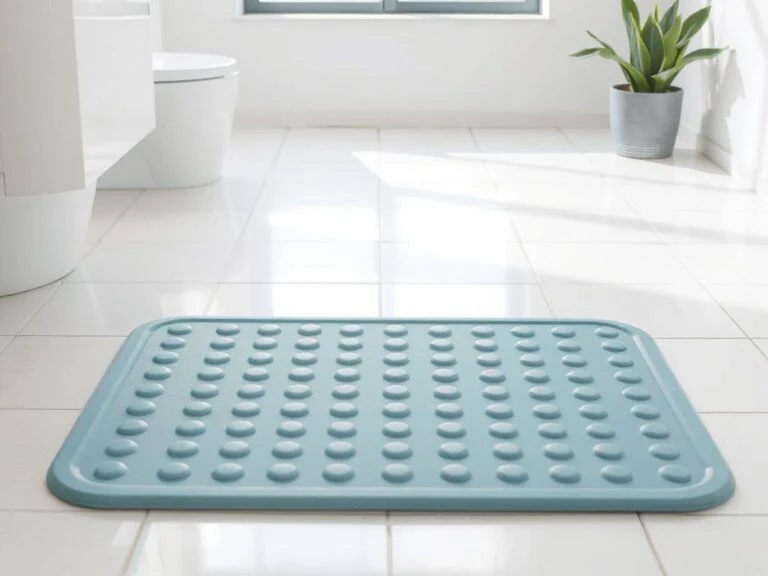
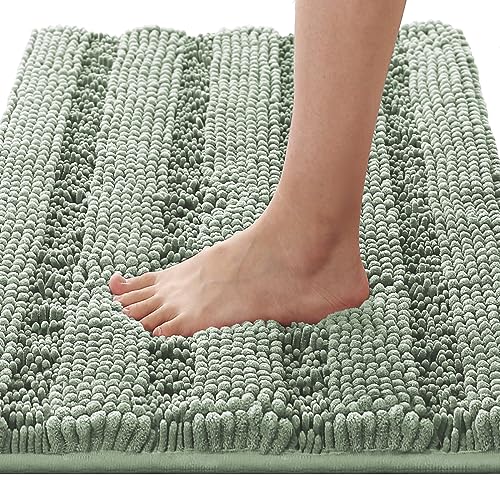
- Wet bath mats and towels. A bath mat that stays damp for hours after a shower becomes a mildew farm within days.
A musty odor that persists after cleaning and drying all visible surfaces usually indicates a hidden water leak or a moisture intrusion inside the wall cavity. Before spending hours scrubbing, inspect the ceiling below the bathroom and the baseboards for water stains. Fix the leak first, or every other effort is temporary.
Is the Mildew Smell Harmful to Your Health?
According to the EPA mold cleanup guidelines, exposure to mold and mildew can cause nasal stuffiness, throat irritation, coughing, and eye irritation for sensitive individuals. People with asthma, allergies, or compromised immune systems may experience more severe reactions. The smell itself is not toxic at typical household levels, but it signals the presence of spores that you are inhaling. For most people, removing the mildew and reducing humidity resolves the symptoms. If respiratory issues persist after cleanup, consult a healthcare provider.
Step-by-Step: How to Get Rid of Bathroom Mildew Smell for Good
Follow these steps in order. Skipping the moisture phase means scrubbing surfaces that will simply recolonize within days. Each step includes specific actions, tools, and timing.
Step 1: Identify and Fix the Moisture Source
Start by running every water source in the bathroom and checking for drips. Under-sink plumbing is the most common culprit. Tighten supply line nuts, replace worn washers, and re-caulk any gaps around the tub or shower base. If you find water stains on the ceiling or walls, call a plumber before proceeding. A hidden leak will defeat every cleaning effort.
Next, clear clutter that blocks airflow. Towels piled on the floor, bath toys in the tub, and storage bins against the wall all trap moisture. If you need extra storage without sacrificing air circulation, our guide on adding storage to a rented bathroom offers ideas that keep items off damp floors.
Step 2: Dry the Bathroom Completely
After fixing any leaks, dry every surface. Open windows if weather permits. Run the exhaust fan continuously while you work. The ENERGY STAR bathroom exhaust fan guidelines recommend running the fan during showers and for at least 20 minutes afterward to clear humidity. If your fan is weak or noisy, clean the grille and housing with a vacuum and damp cloth. A fan that moves little air will not lower humidity enough to stop mildew growth.
For heavily damp areas, use a portable dehumidifier set to 50 percent relative humidity or lower. Leave it running for at least 24 hours. Mildew cannot reproduce below 50 percent humidity, which is why controlling moisture is more effective than any disinfectant.
Step 3: Clean and Treat Porous Surfaces
Now that the room is dry, address the surfaces that hold odor. Grout and caulk are the two biggest offenders because they are porous and absorb moisture deep inside.
For grout: Scrub lines with a paste of baking soda and water using a stiff nylon brush. Baking soda is mildly abrasive and neutralizes acidic odor compounds. For stubborn stains, apply 3 percent hydrogen peroxide directly to the grout and let it sit for 10 minutes before scrubbing. Hydrogen peroxide penetrates pores and breaks down mildew at the root. Rinse thoroughly and dry with a towel. Once the grout is completely dry, apply a grout sealer according to the manufacturer’s instructions. Sealed grout repels water and prevents spores from re-establishing.
For caulk: If caulk has turned black or is pulling away from the wall, remove it completely with a utility knife and caulk remover. Clean the joint, let it dry, and apply fresh silicone caulk. Silicone is more resistant to mildew than acrylic latex caulk. If the caulk is still intact but smells musty, scrub it with a solution of one part white vinegar to one part water, then dry thoroughly. Vinegar’s acetic acid kills surface mildew without leaving residue.
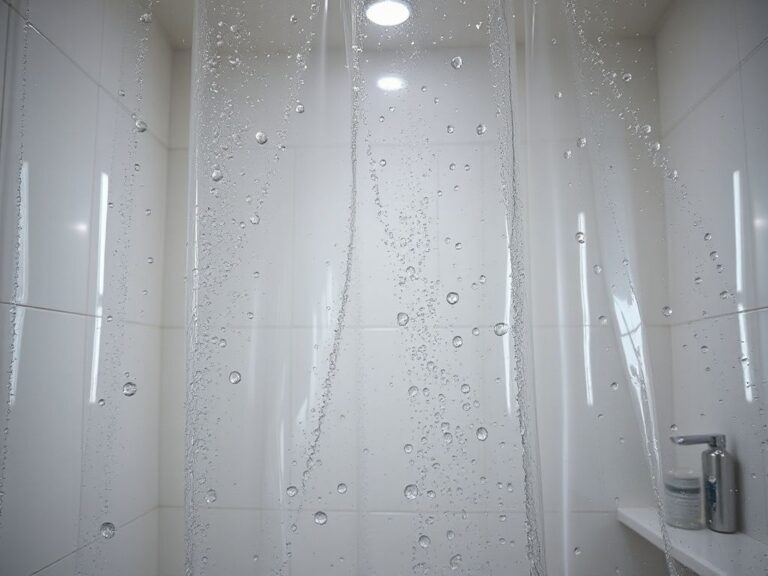
For shower curtains and liners: Remove the curtain and liner and wash them in the washing machine with hot water and a cup of white vinegar in the rinse cycle. Hang them to dry fully before reinstalling. A damp shower curtain is one of the fastest sources of recurring mildew odor. If the liner is heavily stained, replace it—liners are inexpensive compared to the cost of ongoing odor control.
Step 4: Deodorize and Refresh the Air
Once surfaces are clean and dry, remove lingering airborne odor. Sprinkle baking soda on carpets or rugs in the bathroom, let it sit for several hours, then vacuum. Baking soda absorbs odor molecules rather than masking them. For ongoing freshness, place an open box of baking soda on a shelf or behind the toilet, replacing it every 30 days.
Do not use scented sprays or plug-in air fresheners as a substitute for cleaning. They only mask the smell and add chemicals to the air. A clean bathroom with controlled humidity should smell neutral, not perfumed.
If the smell persists after these steps, there may be mold behind the walls or under the flooring. That requires professional remediation, not more scrubbing.
Natural Ways to Remove Mildew Odor Without Harsh Chemicals
Many people prefer to avoid chlorine bleach and strong disinfectants, especially in small bathrooms with limited ventilation. Several household ingredients work effectively against mildew odor when used correctly.
White vinegar (acetic acid) kills most mildew species on hard, non-porous surfaces. Spray full-strength vinegar on tile, tub, and sink surfaces, let it sit for 10 minutes, then wipe and rinse. Vinegar is not safe on marble, limestone, or other natural stone because the acid can etch the surface. Test on an inconspicuous area first, or avoid stone altogether.
Baking soda (sodium bicarbonate) neutralizes acidic odor compounds and absorbs moisture. It works best as a deodorizer rather than a disinfectant. Use it on fabrics, carpets, and as a gentle scrub for grout. For a stronger effect, combine baking soda with hydrogen peroxide (3 percent) to create a paste that releases oxygen and lifts stains from porous materials.
Hydrogen peroxide is a natural antifungal that breaks down into water and oxygen. It penetrates porous surfaces better than bleach and leaves no residue. Use a 3 percent solution on grout, caulk, and shower curtains. Do not mix hydrogen peroxide with vinegar; combining them creates peracetic acid, which is corrosive and irritating to lungs.
Tea tree oil (melaleuca oil) has documented antifungal properties. Mix about 10 drops with a cup of water in a spray bottle and apply to mildew-prone areas after cleaning. The scent dissipates within a day, leaving a mild herbal note. Tea tree oil is safe on most surfaces but can be expensive for large areas.
Essential oils such as eucalyptus, lavender, and lemon can be used in small amounts for fragrance, but they do not kill mildew. Use them only after the moisture and mildew problems are resolved. Add a few drops to a diffuser or mix with water for a light room spray.
If your bath mat stays damp for hours after a shower, it is feeding the mildew cycle. Our roundup of best bath mats highlights options that dry quickly and resist mildew, which can cut odor recurrence significantly.
Preventing Bathroom Mildew Smell from Coming Back
Prevention is about changing daily habits and maintaining the bathroom’s moisture barrier. These practices cost little and save hours of scrubbing later.
- Run the exhaust fan every time you shower, plus 20 minutes after. If you forget, install a timer switch that automatically turns the fan off after a set period.
- Squeegee shower walls and glass after every use. Removing water droplets reduces surface moisture by up to 75 percent, which cuts mildew growth dramatically.
- Hang towels and bath mats to dry fully between uses. Spread towels on a bar rather than a hook so air circulates around the entire fabric. Machine wash bath mats weekly.
- Leave the bathroom door open after showering to allow humidity to dissipate into the rest of the house. Close the door only after the air feels dry.
- Inspect caulk and grout every three months. Look for cracks, gaps, or discoloration. Recalk small gaps promptly. Reseal grout annually.
- Fix drips immediately. A faucet that drips once per second wastes over 3,000 gallons per year and keeps the sink area perpetually damp.
Open shelving and freestanding fixtures, common in modern farmhouse bathroom designs, can improve air circulation compared to enclosed vanities that trap moisture. If you are planning a remodel or update, consider materials that resist mildew: porcelain tile, glass, and stone with sealed grout all outperform painted drywall and wood in high-humidity environments.
A bathroom that stays dry, with porous surfaces sealed and ventilation running daily, will not develop a mildew smell. The musty odor is a symptom, not the disease. Fix the moisture and the smell disappears for good.
Frequently Asked Questions
What is the fastest way to get rid of a bathroom mildew smell?
The fastest effective method is to identify and stop the moisture source, then dry the room with a dehumidifier or exhaust fan for 24 hours. Scrub grout with hydrogen peroxide, replace moldy caulk, and wash shower curtains. Ventilation is non-negotiable; without it, the smell returns within days no matter how much you scrub.
Does white vinegar actually kill mildew?
Yes, white vinegar (acetic acid at 5 percent concentration) kills most mildew species on hard, non-porous surfaces. Spray it on tiles, tubs, and sinks, wait 10 minutes, then wipe and rinse. Vinegar is not safe on marble or limestone because the acid etches the stone. For porous grout, hydrogen peroxide works better because it penetrates deeper.
Is bleach safe to use on mildew in the bathroom?
Bleach kills surface mildew but does not penetrate porous grout or caulk. It also leaves a residue that can trap moisture and encourage regrowth. Never mix bleach with ammonia, which produces toxic chloramine gas, or with vinegar or other acidic cleaners, which produces toxic chlorine gas instead. Both reactions are dangerous, but they are not the same gas. Use hydrogen peroxide or an enzyme cleaner instead, and fix the moisture problem before cleaning.
Why does my bathroom exhaust fan smell musty even when it is off?
The fan housing collects dust, lint, and moisture, which becomes a mildew breeding ground. When the fan kicks on, it blows that musty air back into the room. Clean the grille and interior housing with a vacuum and damp cloth, and check that the duct vents to the outside rather than into the attic. A properly maintained fan should run quietly and move air without odor.