A lanai is a covered, often screened, structure attached to the back of a house — somewhere between a patio and a sunroom. Screening keeps out mosquitoes and debris while leaving the space open to fresh air, and a solid or lattice roof gives shade and rain protection a bare patio doesn’t have. Done well, it turns square footage that used to sit empty into a room you actually use most months of the year.
The tricky part with a lanai is that it isn’t fully indoors or fully outdoors, so the usual rules for furniture, flooring and lighting don’t quite apply. Materials still need to handle humidity and wind-blown rain even when the space is covered, and finishes that work fine in a living room often fail within a season outside. The 15 ideas below cover a range of styles, but each one calls out the material or install detail that actually holds up.
Pick one direction rather than blending all fifteen — a lanai is a small enough space that mixing too many material palettes, paint colors and hardware finishes starts to look cluttered rather than curated. Use whichever style you’re drawn to as the frame, then bring in furniture and finishes at whatever budget you have.
1. Tropical Paradise Retreat
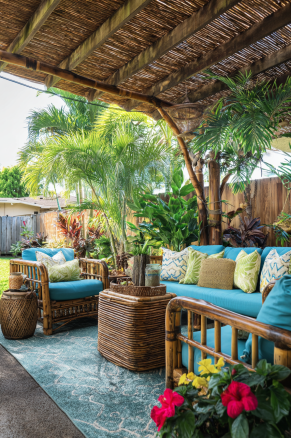
Layer plants at different heights — palms or bird of paradise at the back, hibiscus and ferns filling in below — to get the jungle depth this style is built on. For furniture, resin wicker holds up far better than natural rattan in a humid lanai; real rattan absorbs moisture and can warp or mildew within a season or two of constant humidity, while resin wicker is built to handle it indefinitely. Pair honey-toned resin pieces with ocean-blue, solution-dyed cushions — look for “outdoor” or “performance” fabric on the label, since regular upholstery fabric holds water and grows mold in a screened, humid space. Group plants in odd numbers, a simple layout trick that reads as more natural than even pairs. Bamboo accents and woven baskets round out the look. Budget for real drainage in every container — tropical plants need pots with actual drainage holes, since standing water in a shaded lanai is exactly what root rot needs.
2. Mediterranean Courtyard Charm
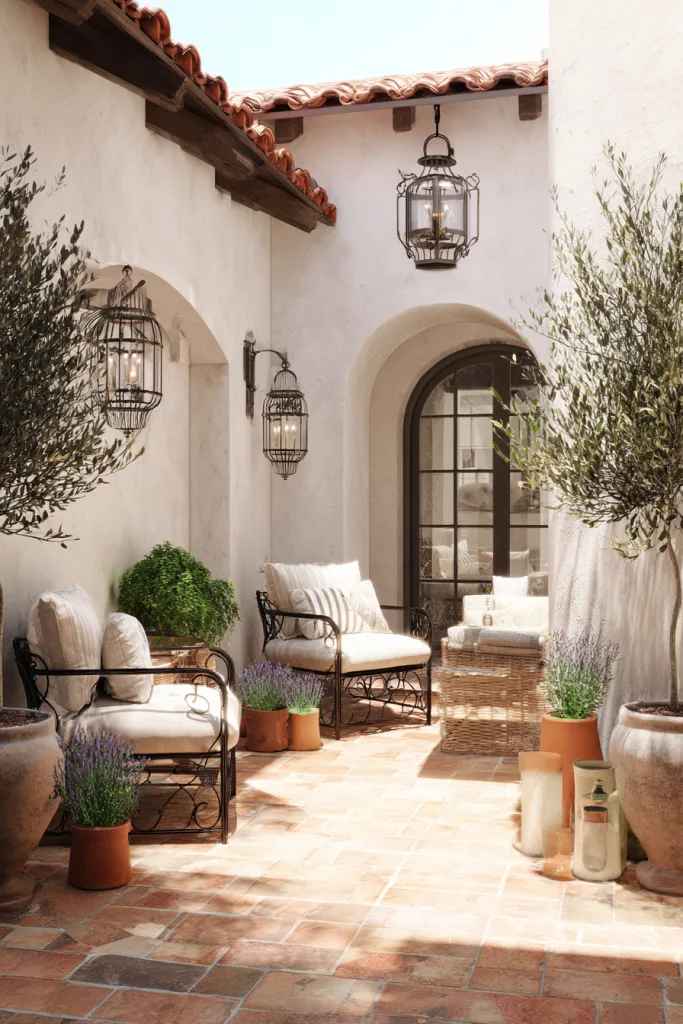
Terracotta or quarry tile is the classic Mediterranean lanai floor, but it’s porous — seal it after installation and reseal every couple of years, or humidity and spilled drinks will stain it. Whitewashed walls and wrought iron furniture complete the look, but plain wrought iron rusts fast in a humid, screened space; look for a powder-coated finish, which bakes on a protective layer that resists corrosion far longer than paint alone. Potted olive trees, lavender and rosemary all want excellent drainage and full sun, so keep them near the open side of the lanai rather than deep under the roofline. Earth tones — terracotta, cream, soft blue — keep the palette cohesive. Ceramic planters with a hand-painted glaze work well here since the glaze itself is naturally weather-sealed. The style tolerates a weathered look better than most, so a little wear reads as intentional rather than neglected.
3. Modern Minimalist Sanctuary
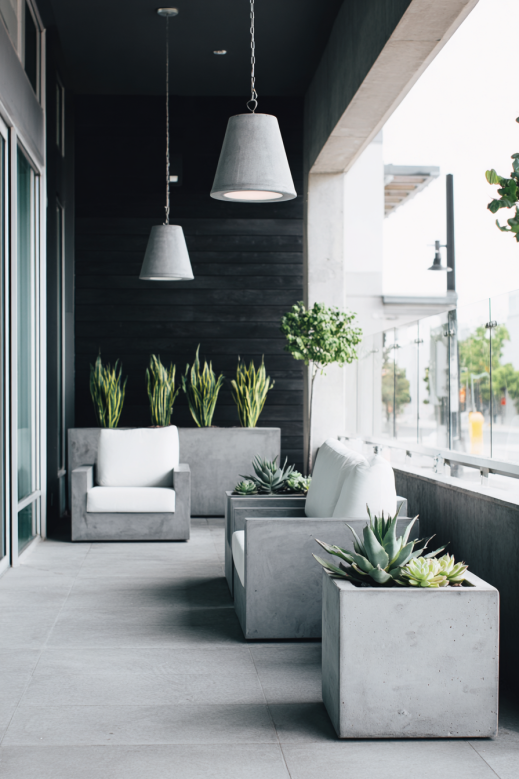
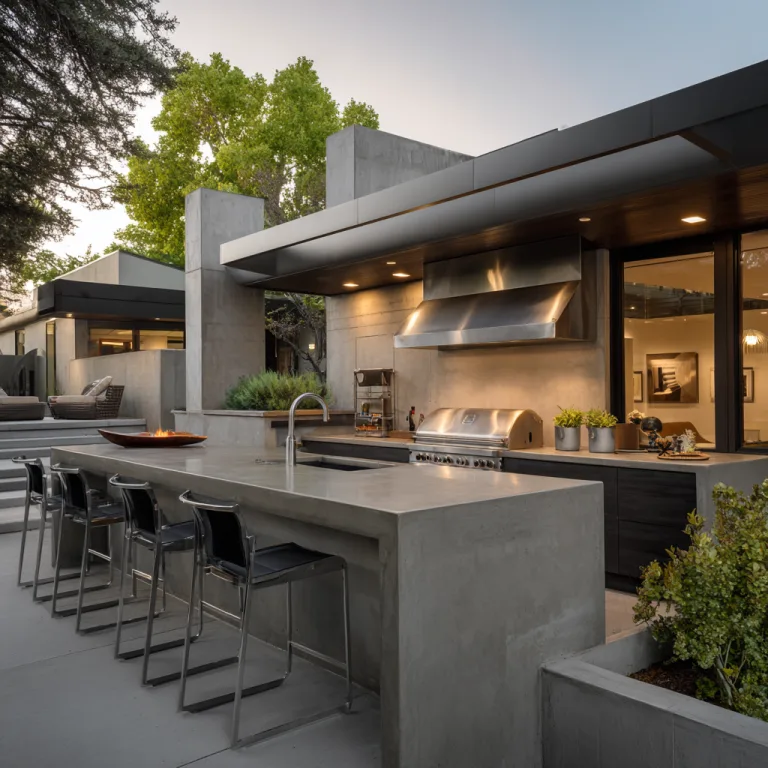
Concrete planters are the workhorse of this look — heavy enough to stay put in wind, resistant to rot and rust, and their raw texture matches the aesthetic. Just confirm each one has a real drainage hole; concrete doesn’t wick moisture the way terracotta does, so trapped water sits right at the roots. Furniture in gray, black or white with clean geometric lines keeps the space feeling uncluttered; powder-coated aluminum frames are the practical choice, since they’re lightweight, rust-resistant, and hold a crisp finish outdoors far longer than untreated steel. Architectural plants — snake plants, sculptural succulents, or a single specimen palm — do more visual work than a crowd of smaller pots, and need less maintenance. Keep the palette to one dominant neutral plus a single accent color rather than several competing tones; that restraint is what makes minimalism read as deliberate instead of just sparse.
4. Coastal Breeze Haven
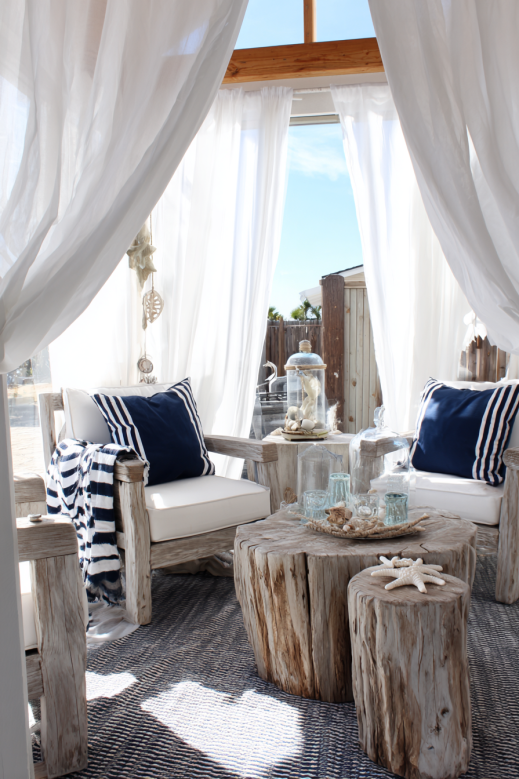
Weathered-gray furniture sets the tone, but there’s a real choice to make: genuine driftwood-finish wood needs annual oiling or sealing to keep from graying unevenly and eventually rotting in a humid lanai, while a synthetic wood-look resin, or real teak, which silvers naturally and needs no sealing at all, holds the same look with far less upkeep. Navy and sandy beige as your base colors, with coral or seafoam accents, keeps the palette calm rather than themed. For the sheer curtains that give this style its breezy movement, use solution-dyed polyester rather than cotton or linen — natural fibers hold moisture and mildew quickly in a screened, humid space, while polyester dries fast and resists staining. Jute rugs read as natural texture but aren’t a great fit for a lanai that gets any direct rain; a polypropylene outdoor rug gives the same woven look and actually survives getting wet.
5. Rustic Farmhouse Comfort
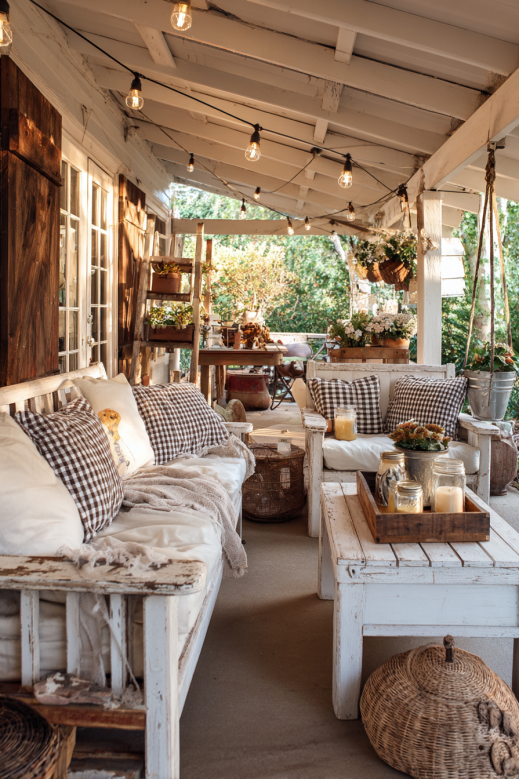
The chippy, distressed paint finish that defines farmhouse style needs to start from exterior-grade paint and sealer, not an indoor finish — indoor paint peels fast once it’s exposed to lanai humidity and temperature swings, which can end up looking distressed for the wrong reasons. Galvanized metal accents (planters, watering cans, lanterns) are a genuinely practical choice here, since the zinc coating is specifically meant to resist rust, so these pieces outlast plain steel in humidity. Plaid or gingham cushion fabric should be outdoor-rated, since indoor cotton plaid fades and mildews within a season outside. Mason jar lighting and wooden crates add character cheaply, though any exposed wood crate needs a coat of exterior sealant to survive being outside year-round. Stick to creams, soft whites and muted sage greens — this palette works because it’s restrained, not because every piece is a different reclaimed material.
6. Asian-Inspired Zen Garden
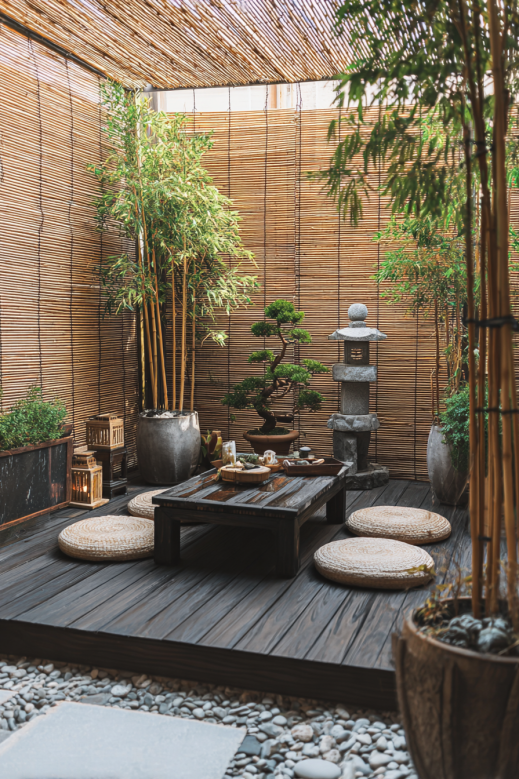
Low-profile dark wood furniture — teak is the standard choice, since it’s naturally rot- and insect-resistant and doesn’t need sealing to survive outdoor humidity — keeps sightlines low and calm, which is the whole point of this look. Bamboo screening adds privacy and texture, but untreated bamboo poles typically last only a few years in constant moisture before needing replacement; pressure-treated or resin bamboo-look panels cost more upfront but last considerably longer. If you’re adding a water feature, a small recirculating tabletop fountain is realistic for a lanai footprint; a built-in pond-style feature usually needs plumbing and drainage work well beyond a simple retrofit. Keep the palette to black, brown, deep green and cream, and favor a single dominant plant — a Japanese maple or bonsai in a plain ceramic pot — over a full garden’s worth of varieties. Uneven, asymmetrical groupings of stone or plants read as more natural than a perfectly centered layout.
7. Bohemian Eclectic Oasis
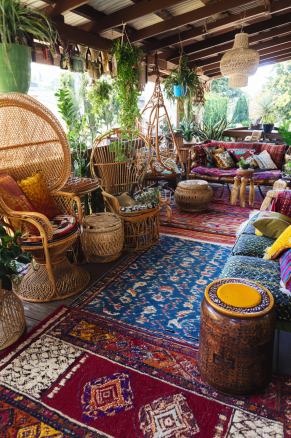
This look lives or dies on textiles, so fabric choice matters more here than in most styles. A cotton Moroccan or Turkish rug looks the part but mildews fast in a humid, screened space — a polypropylene outdoor rug now comes in nearly identical flatweave patterns and actually survives humidity and the occasional rain blow-in. Mix furniture silhouettes freely: a rattan peacock chair next to a carved wood bench next to floor poufs reads as collected-over-time rather than mismatched, as long as the color palette stays consistent. Jewel tones — purple, burnt orange, teal, fuchsia — tie the mixed furniture together. Macramé plant hangers and beaded curtains are inexpensive and easy to swap out seasonally. For plants, mismatched pots and baskets actually work in this style’s favor, but make sure each one has drainage; the boho look tolerates visual chaos, not standing water and root rot underneath it.
8. Industrial Loft Vibe
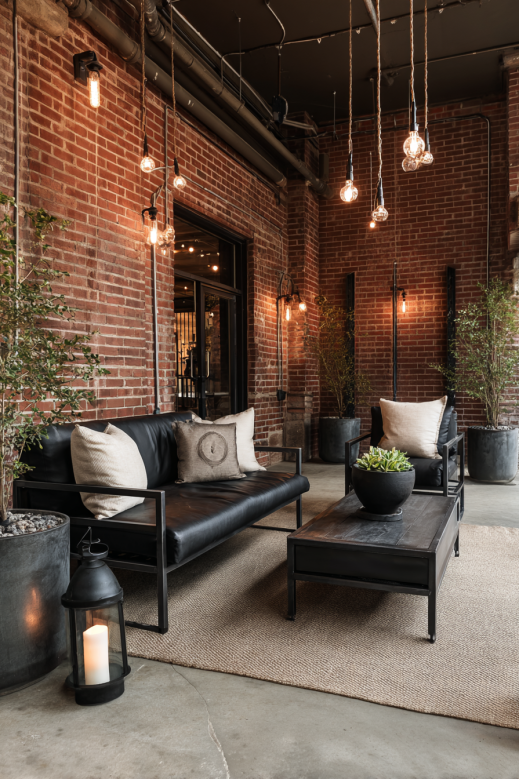
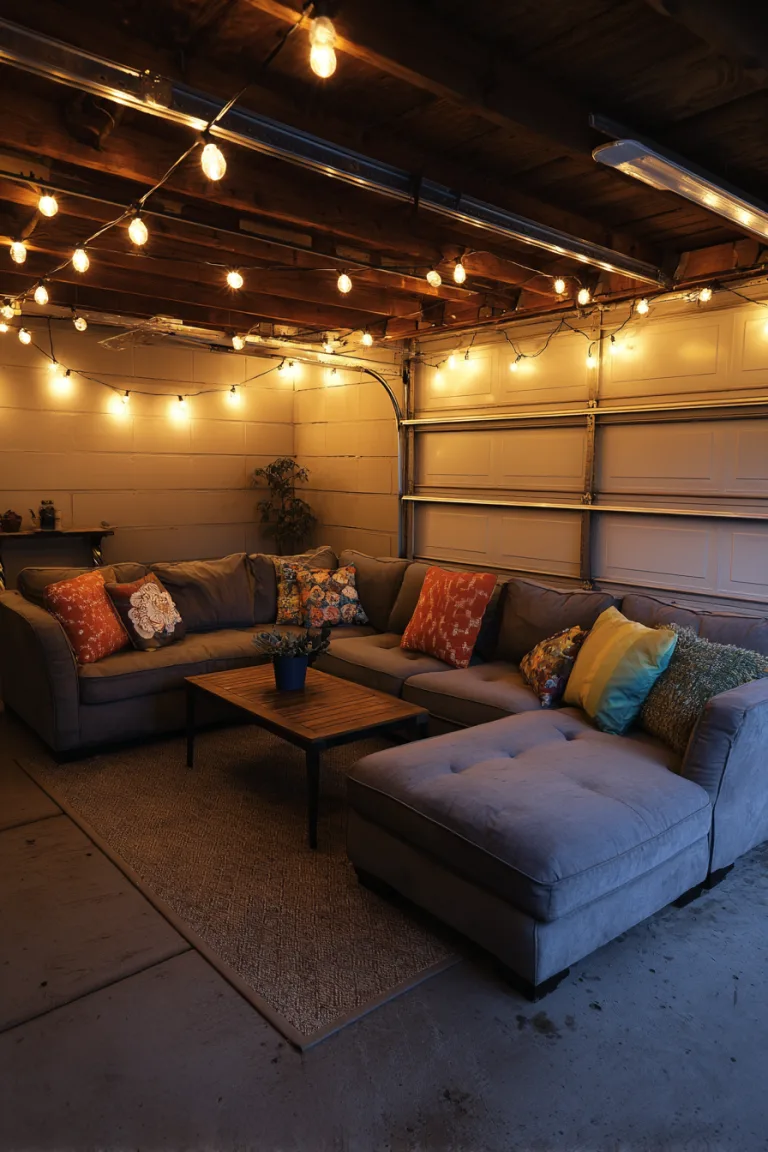
Powder-coated metal furniture in matte black or gunmetal is the backbone of this style, and the coating isn’t just aesthetic — it’s what keeps the metal from rusting in a humid lanai the way bare or painted steel eventually will. Exposed brick or concrete-look flooring holds the industrial feel and handles moisture fine, since both are naturally water-resistant. If you’re adding Edison-bulb string lights or pipe fixtures, confirm the fixture is rated for damp or wet locations before installing it in a screened space that gets airflow and occasional blown-in rain — a fixture rated only for dry indoor use is a real hazard outdoors. Leather seating looks the part but doesn’t belong on a lanai; it cracks and molds in humidity, so a faux-leather or vinyl performance fabric gets the same look without the upkeep. Metal drum planters and rust-toned accents finish a palette that otherwise stays in grays, blacks and browns.
9. English Garden Romance
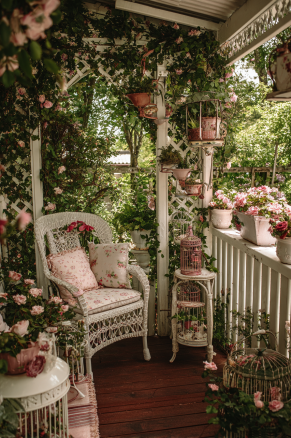
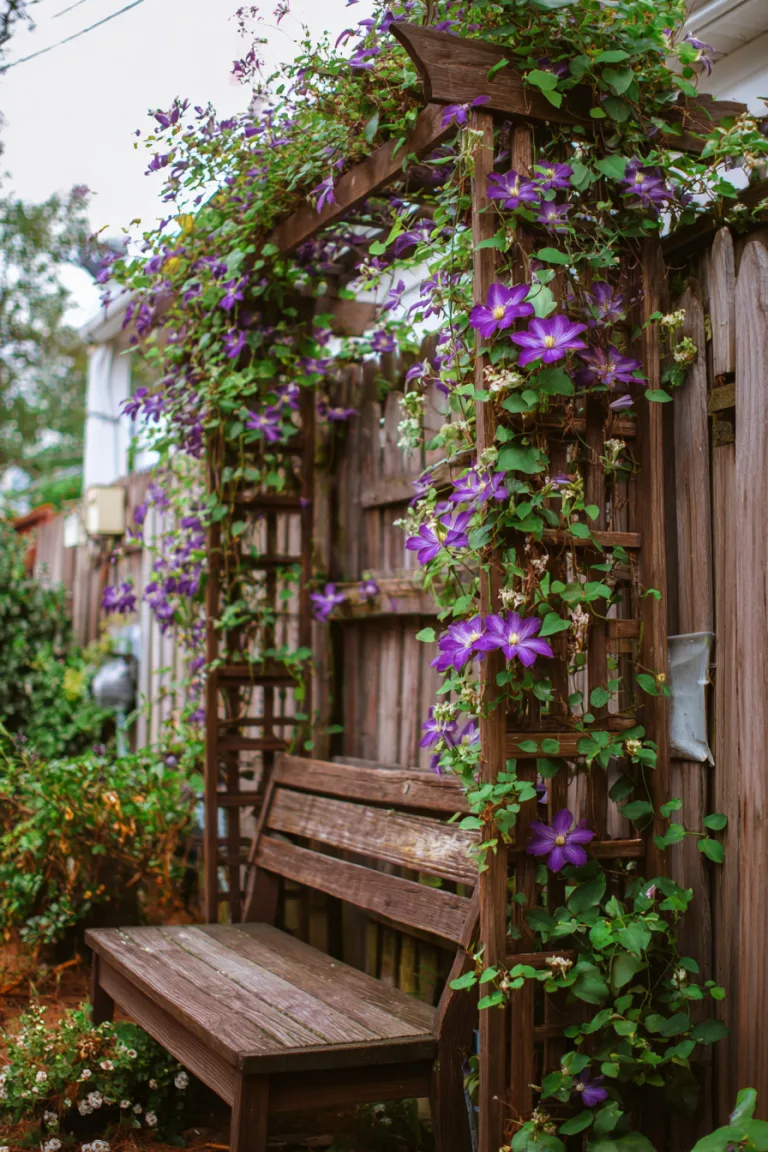
White or pastel-painted furniture needs exterior-grade paint to survive — the ornate, carved details that define this look also trap moisture in every groove, so a cheap indoor finish will peel there first. Climbing roses and wisteria need a trellis anchored to something sturdier than the screen frame itself; check that any structure you attach can bear the plant’s weight as it matures, since wisteria especially gets heavy over a few seasons. Floral cushions in soft pink, lavender and butter yellow should be outdoor-rated fabric, since pale colors show mildew spotting fast if the fabric isn’t treated. Vintage-style accessories — watering cans, birdcages, lanterns — work best in a finish that’s already rust-resistant, like powder-coated or galvanized metal, rather than raw metal that streaks rust onto light-colored cushions below it. Layer flower heights and textures generously; this is one style where a slightly overgrown, abundant look is the goal rather than a flaw.
10. Desert Southwest Sanctuary
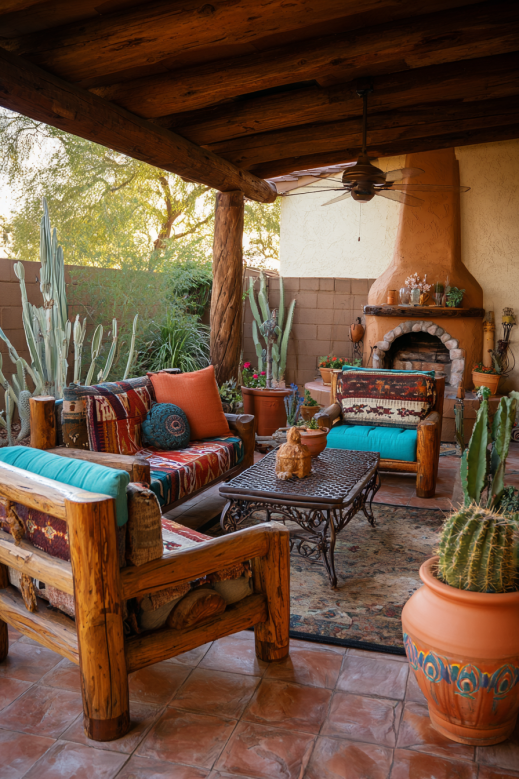
Saltillo tile or natural stone flooring is the traditional choice here, and like terracotta, it’s porous and needs sealing to resist staining from humidity and spills — reseal every year or two depending on how exposed the lanai is. Wrought iron furniture with a powder-coated finish holds up far better than raw iron in any climate with real humidity. Cacti, agave and other succulents are genuinely low-maintenance, but only if the pots have drainage; a decorative terracotta pot without a hole in the bottom is the single most common way to kill a succulent through overwatering. Warm tones — burnt orange, sandy tan, turquoise, deep red — carry the palette. Clay chimineas are a real fire feature, not just decor, so keep the manufacturer’s clearance distance from the roof and screen material; even a well-behaved fire in a chiminea can scorch a vinyl screen panel placed too close.
11. Scandinavian Hygge Corner
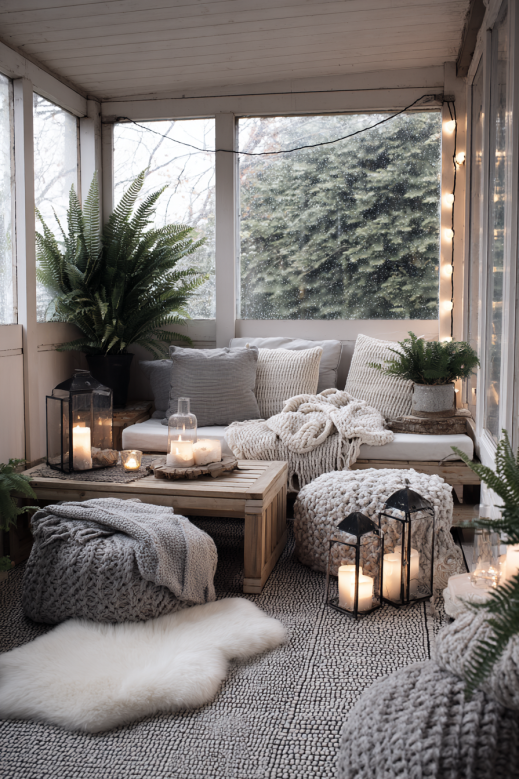
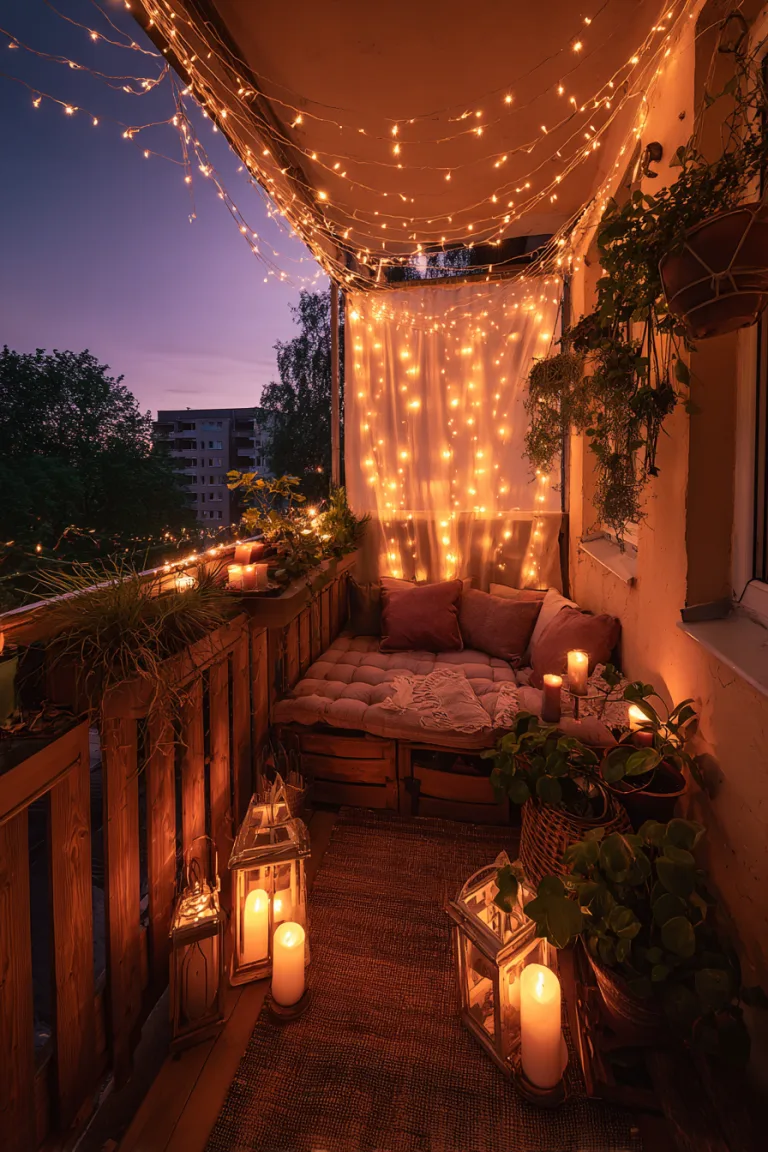
Light wood furniture in birch or ash looks the part, but neither wood is naturally weather-resistant, so plan on an exterior sealant coat every year or two — the pale, blond finish that defines this look shows water staining faster than a darker wood would. Keep the palette to white, gray, pale blue and natural wood tones. Sheepskin rugs and knit throws are central to hygge styling, but genuine sheepskin and wool hold moisture and mildew in a humid lanai; a faux-fur or acrylic-knit outdoor throw gives the same texture and can actually be left outside. Warm string lights and candles or lanterns provide the ambient glow this style depends on — battery LED candles are worth using in a screened space, since real flames near hanging textiles and mesh screening are a genuine fire risk. Simple greenery like ferns or eucalyptus in plain white ceramic pots keeps the look uncluttered.
12. French Provincial Elegance
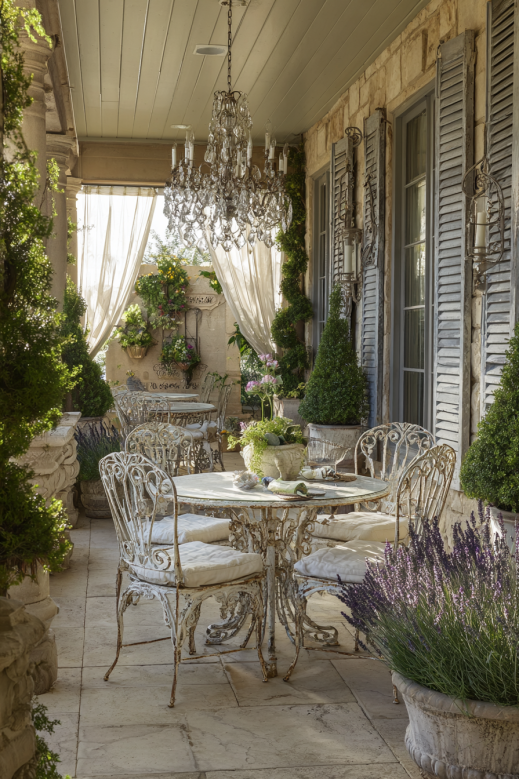
Ornate wrought iron furniture in soft gray or distressed white is the signature piece of this style, and again, powder coating — not just paint — is what keeps intricate scrollwork from rusting at every joint in humid air. Topiaries, lavender and boxwood hedges need real airflow around the leaves; planted too close together in a shaded, humid lanai, boxwood especially is prone to fungal blight, so leave genuine spacing between plants rather than clustering them tightly for an instant full look. A refined palette of soft gray, ivory, muted blue and olive keeps it from tipping into costume-y territory. French café chairs and a bistro table are a practical scale for a lanai corner rather than a full dining set. Lantern-style fixtures (battery or LED, not open-flame, in a screened space) and linen-look outdoor fabric — actual linen mildews fast outdoors — round out a look that balances formality with genuinely comfortable seating.
13. Tropical Tiki Bar Escape
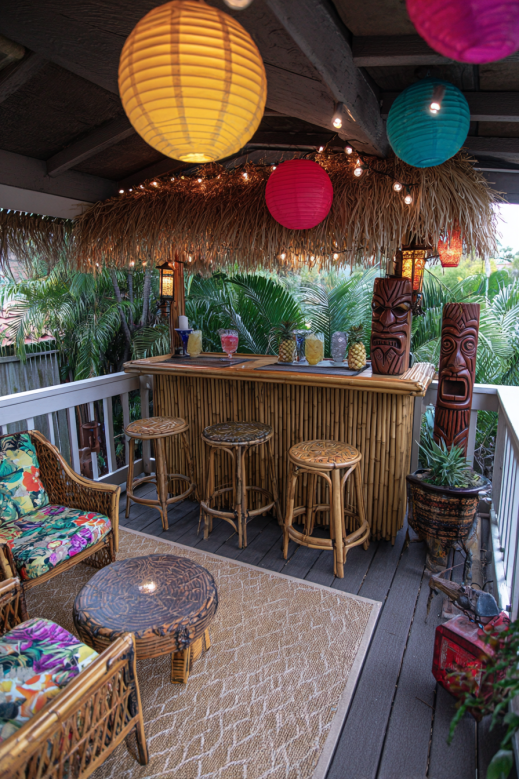
A bamboo bar counter is the centerpiece, and bamboo furniture generally does better outdoors than you’d expect, though it still benefits from a yearly coat of outdoor sealant to prevent splitting through humidity swings. For roofing accents, synthetic thatch has mostly replaced natural palm thatch in modern builds — it costs more upfront but resists fire, rot and pests far better, and some HOAs and local codes are stricter about natural thatch for fire-safety reasons, so it’s worth checking before committing to the real thing. Rattan or bamboo seating with bright tropical-print cushions in outdoor-rated fabric carries the color story, since these prints fade fast in direct or reflected sun otherwise. Tiki torches should use citronella or gel fuel designed for the purpose, kept well clear of screen mesh and any roofing material. Solar string lights need a spot that actually gets several hours of direct sun to charge, which can be limited under a covered roof.
14. Contemporary Sleek Lounge
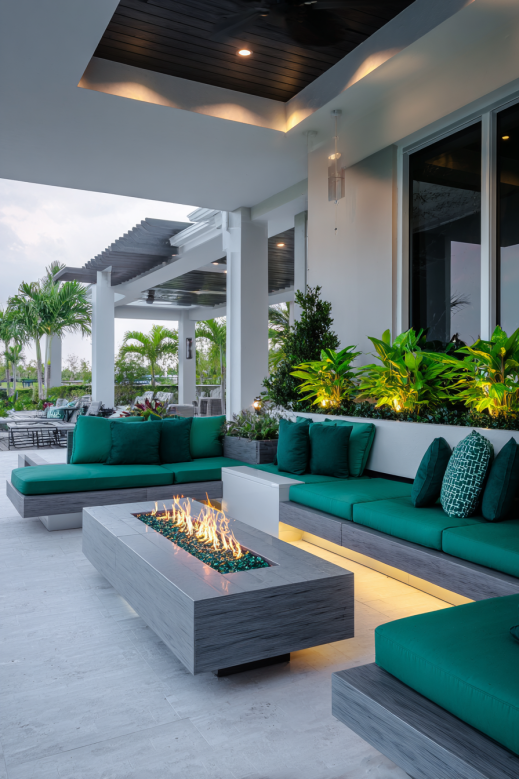
Modular sectional furniture in performance fabric is the biggest investment in this style, and it’s worth spending on: performance outdoor fabrics are solution-dyed, meaning color runs through the fiber rather than sitting on top, and use quick-dry foam, so they resist fading and don’t hold water the way indoor upholstery does. Powder-coated aluminum and teak are the two frame materials that hold up longest with the least maintenance. If you’re adding a fire table, check the manufacturer’s minimum clearance from any roof, screen or overhang before placing it — most require several feet of open clearance, which a screened lanai can make tight. Architectural lighting on dimmers extends usability into the evening; look for fixtures rated for damp or wet locations depending on how exposed the space is. Large planters with a single dramatic architectural plant read as more considered than a scatter of smaller pots, and are actually easier to maintain.
15. Vintage Sunroom Revival
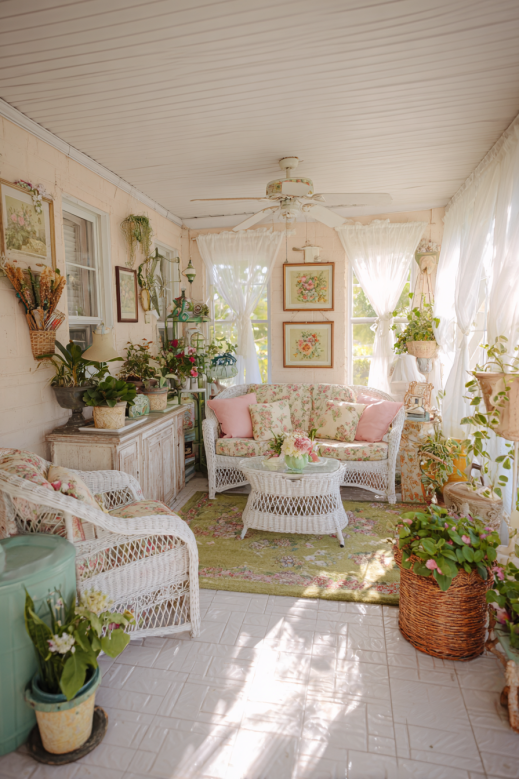
Vintage wicker furniture is the anchor piece here, but original antique wicker is almost always natural rattan, which doesn’t tolerate constant humidity well — a repainted vintage piece looks the part, but a reproduction in resin wicker will actually hold up outdoors year-round. Floral chintz cushions and lace curtains need to be outdoor-rated reproductions rather than the real vintage fabric; genuine chintz and lace mildew and fade fast in a humid, sun-exposed lanai. Pale yellows, mint greens and dusty rose keep the palette soft. Old-fashioned ceiling fans are available in damp-rated finishes that mimic the vintage look — wood-blade-style with a bronze or brass finish — while still meeting the safety rating a lanai actually needs; a fan without that rating isn’t up to code in many areas, and it also corrodes and fails faster in humid air. Mismatched vintage-style planters complete the collected-over-time feel this style is built around.
Bringing It Together
Most of these fifteen styles can share a foundation — a durable floor (composite decking, sealed tile, or stamped concrete), a damp- or wet-rated ceiling fan, and screen mesh matched to your local bug pressure (fiberglass for standard mosquito control, aluminum if you want a screen that holds its shape over years, no-see-um mesh if biting gnats are a real problem in your area) — and let the furniture, color palette and accessories carry the actual style on top of that base.
If you’re starting from scratch, spend the furniture budget on pieces built for outdoor humidity — resin wicker, teak, or powder-coated aluminum — rather than trying to make indoor furniture last outside. It’s the single change that determines whether a lanai still looks good in three years or needs replacing after one humid summer.
Frequently Asked Questions
How much does it typically cost to build a basic backyard lanai?
A basic screened lanai enclosure typically runs somewhere in the $8,000–$25,000 range, depending on size and materials — a simple aluminum-framed screen structure sits at the lower end, while a solid roof, premium flooring and built-in features push it toward the higher end or beyond. Furniture and decor are usually a separate line item, often another $2,000–$10,000 depending on how much of it you’re buying new. Get quotes from a couple of local contractors before budgeting, since labor costs vary a lot by region.
What’s the best flooring for a lanai that gets heavy rain?
Porcelain tile, stamped concrete, and composite decking are the three most reliable choices for a rain-prone lanai. Porcelain tile resists water well and comes in a wide range of finishes, but needs to be installed with proper slope for drainage. Stamped concrete is durable and budget-friendly, and a lightly textured finish keeps it from getting slick when wet. Composite decking doesn’t warp or rot the way real wood does and needs very little upkeep. Natural stone can look great but gets slippery when wet unless it’s sealed with a slip-resistant finish, so it’s worth the extra step if you go that route.
How can I make my lanai usable year-round?
A damp- or wet-rated ceiling fan for summer and an infrared heater for winter cover most of the temperature range a lanai deals with — fans cool by moving air across skin, while infrared heaters warm people and surfaces directly instead of heating air that just drifts out of an open structure. Retractable screens or clear vinyl panels let you close off the space during wind or rain without losing the open feel the rest of the year. Furniture with removable, storable cushions saves you from replacing fabric that’s been left out through a harsh season.
What plants work in a lanai with limited natural light?
Ferns, pothos, snake plants and peace lilies all tolerate the partial shade a covered lanai usually gets. Hostas and coral bells add color without needing full sun. Philodendrons and cast iron plants handle low light especially well if you want a fuller, more tropical look. For flowers, impatiens, begonias and fuchsias are reliable in shadier spots. Check plant tags for actual light requirements before buying — “shade” covers a wide range, and a lanai’s light level depends a lot on roof material and orientation.