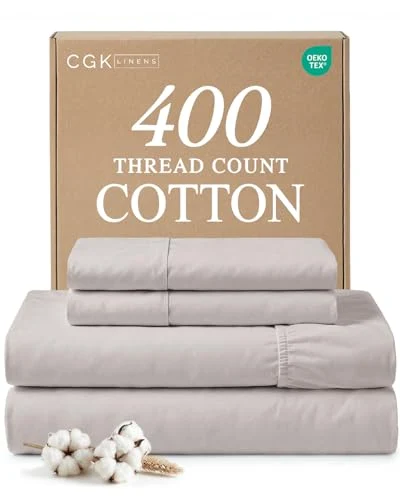

A sheet can carry the right bed-size label and still pop off at the corners, bunch under your body, or refuse to cover the mattress after washing. The key distinction is between the mattress surface size and the fitted sheet’s usable depth: a sheet can match the bed-size label yet fail because of a thick mattress, topper, or protector. A useful guide should therefore separate fitted sheets, flat sheets, and bedding labels, while treating manufacturer dimensions as the final check when familiar size names overlap. As someone who fixes awkward rooms with lamps before moving furniture, I apply the same rule here: start with the dimensions that control the result, then deal with the label.
Key Takeaways
- Match the sheet to the mattress surface size, then confirm fitted-sheet pocket depth.
- Measure the mattress, topper, and protector together before choosing a fitted sheet.
- Check the package dimensions because bed-size names can vary by manufacturer or region.
What sheet sizes for beds actually describe
Bed-sheet labels usually describe the mattress surface the bedding is intended to cover. That label is a starting point, not a complete fit guarantee. A fitted sheet must also reach down the mattress sides, pass around the corners, and retain enough tension to remain secured.
A mattress surface has two key dimensions: its width and its length. A fitted sheet adds a third practical concern, which is the pocket depth. Pocket depth describes how far the fitted sheet can travel down the mattress sides. The package may show the intended bed size and separate measurements for the sheet itself, so read both.
A fitted sheet needs enough pocket depth to cover the mattress without forcing the elastic away from the corners. A sheet that is too shallow may pull upward as soon as the mattress is dressed. A sheet that is excessively loose may wrinkle or shift because the elastic cannot hold the fabric neatly beneath the mattress.
Common mattress surface dimensions
The following dimensions give a reliable starting point for familiar bed labels. They describe the mattress surface, not the complete fitted-sheet dimensions.
- Twin: 38 inches wide by 75 inches long.
- Twin XL: 38 inches wide by 80 inches long.
- Full or double: 54 inches wide by 75 inches long.
- Queen: 60 inches wide by 80 inches long.
- King: 76 inches wide by 80 inches long.
- California king: 72 inches wide by 84 inches long.
- Crib mattress: 28 inches wide by 52 inches long.
The difference between a king and a California king shows why labels need a dimension check. A king is wider, while a California king is longer. A fitted sheet designed around one surface shape may not sit correctly on the other even if the general label sounds familiar.
Why labels overlap
Manufacturers and regions do not always use bed-size names in precisely the same way. A package may use a combined label, such as a full/queen designation, or it may list a range that requires a closer look at the mattress and sheet measurements.
Manufacturer dimensions are the final check when familiar size names overlap. If the package label and your mattress measurements appear to disagree, trust the stated dimensions and the sheet’s pocket-depth information rather than the broad name alone.
Lighting offers a useful design parallel. A lamp described as suitable for a room still needs to fit the table, leave clearance, and throw light where you need it. A sheet label works in much the same way: the category helps you begin, but the physical dimensions decide whether the result is tidy.

How to choose the right fitted sheet
Choosing a fitted sheet is a measuring exercise before it becomes a shopping exercise. The bed-size label narrows the field, while the mattress dimensions and total depth determine whether the corners will stay put.
Step 1: Identify the mattress surface
Start by identifying the mattress category: twin, twin XL, full, queen, king, California king, or another size. Then check the actual width and length if the label is unclear. A mattress can be described by a familiar name while still differing from another manufacturer’s version.
Measure the mattress from side to side across the sleeping surface and from head to foot along its length. Keep the measuring tape flat rather than following a curve. Record the result before looking at sheet packaging.
Mattress dimensions determine the surface area a fitted sheet must cover. This simple record prevents a full sheet from being mistaken for a queen sheet and helps distinguish a twin from a twin XL.
Step 2: Measure the full stack
A mattress topper changes the depth a fitted sheet must cover. A protector can add another layer, and a quilted surface may occupy more usable height than a plain mattress profile suggests.
Measure from the top of the uppermost layer to the bottom edge of the mattress. Include the mattress topper and protector that will remain on the bed during normal use. Do not measure only the mattress and then expect the sheet to stretch over layers added later.
If the mattress has a pronounced edge or a sloped side, check the package guidance carefully. The sheet must pass over the highest part of the stack and still reach far enough beneath the mattress for the elastic to hold.
Step 3: Compare pocket depth and sheet dimensions
Look for the fitted sheet’s pocket-depth information on the package or manufacturer page. Compare that stated depth with the complete mattress stack, not the bare mattress. The sheet should cover the upper surface, travel down the sides, and leave enough fabric beneath the mattress for the corners to stay anchored.
A fitted sheet with insufficient pocket depth often reveals itself during installation. One corner may release as the opposite corner is pulled into place. The elastic may sit visibly on the mattress side instead of underneath it. The fabric may also form a tight diagonal pull across the surface.
A fitted sheet that repeatedly pops off usually lacks adequate depth, has been fitted in the wrong orientation, or is being stretched beyond its intended mattress size. Check the short and long sides before blaming the mattress or bed frame.
Step 4: Check the shape, not only the label
Length matters as much as width. A California king mattress is narrower than a king but longer, while a twin XL is longer than a standard twin. Using a sheet with the wrong length can leave excess fabric at one end and strain at the other.
Queen sheets are not automatically interchangeable with full sheets or king sheets. A full mattress is smaller in both width and length than a queen mattress, while a king mattress is wider than a queen. The fitted-sheet cut, elastic position, and pocket dimensions may therefore differ even when the materials look similar.
If a label says full/queen, read the actual dimensions before choosing it for a mattress with a topper. A flexible label may cover more than one surface category, but it does not remove the need to check depth and corner placement.

Fitted sheets, flat sheets, and other bedding labels
Fitted sheets and flat sheets serve different jobs. A fitted sheet has shaped corners and elastic intended to grip the mattress. A flat sheet is a rectangular layer that lies over the fitted sheet or directly over the mattress, depending on the bedding arrangement.
A fitted sheet secures around the mattress, while a flat sheet lies over the bed without shaped pockets. The two pieces are not interchangeable simply because they carry the same bed-size label.
What a fitted sheet must do
The fitted sheet should follow the mattress surface and remain attached at each corner. Its usable depth depends on the fabric cut, corner construction, and elastic tension as well as the listed pocket depth.
A fitted sheet can be the correct width and length but still fail if the pocket is too shallow for the mattress and topper together. The opposite problem also matters: a very deep pocket on a thinner mattress may leave loose fabric beneath the surface.
What a flat sheet must do
A flat sheet needs enough surface area to cover the sleeping area and provide fabric at the sides for tucking or draping. It does not need pocket depth because it does not wrap around the mattress corners in the same way.
A flat sheet marked queen is intended for the queen category, but that label does not turn it into a fitted sheet. Folding, tucking, and the height of the mattress affect how much coverage remains visible at the sides.
Where pillowcases and bed coverings fit
Pillowcase sizing is a separate check from sheet sizing. A sheet set may contain pillowcases with their own dimensions, so inspect the full package rather than assuming every piece follows the mattress label in the same way.
Bed skirts and duvets are avoided on crib-size beds because of safety concerns. The U.S. Consumer Product Safety Commission publishes consumer safety information for families, so crib bedding should be checked against current guidance from that agency rather than treated like adult bedding.
For broader bed-making details, the Bed Sheets Buying Guide: Complete Essentials for 2026 provides a useful companion to the dimensional checks in this article. I would sort out the fit first, then consider sheet fabric and weave as part of the room’s overall feel.
Why fitted sheets pop off, shrink, or become difficult to fit
A fitted sheet usually comes loose because the sheet is being asked to cover more depth than its pocket can accommodate, or because its width and length do not match the mattress. A topper can turn a previously acceptable fit into a strained one without changing the mattress label.
Pocket depth is too shallow
When the pocket does not reach far enough beneath the mattress, the elastic has little surface to grip. Pulling harder may place the corner under temporary tension, but that tension can draw the opposite corner upward.
Measure the total stack again. If the mattress protector or topper was added after the sheets were purchased, include that layer in the new measurement. A sheet that fit the bare mattress does not necessarily fit the dressed mattress.
The mattress size is being misidentified
A standard twin and a twin XL share the same width but not the same length. A king and a California king also differ in shape. These near-matches can look close enough during a quick visual check while creating persistent strain at the foot or sides.
Do not rely on the appearance of the mattress in the room. Bed frames and platform beds can make the sleeping surface seem larger or smaller than it is. Measure the mattress itself, then compare the recorded dimensions with the package.
The sheet shrank during washing
A sheet that fits before washing may become too tight after shrinkage, especially when the care instructions are ignored. The result can appear as corners that no longer reach beneath the mattress or fabric that pulls sharply across the surface.
Follow the care label and avoid treating every sheet fabric as if it has the same washing requirements. Laundry care and sheet shrinkage are connected, so storage should also allow the sheet to remain folded without being crushed into a space that distorts its corners.
Ignoring the care label can make a previously suitable sheet harder to fit after washing. Keep fitted sheets folded with their corners aligned instead of stuffing them loosely into a drawer where the elastic edges become tangled.
The corner is being forced into place
Forcing the last corner can make the first corner release. Work around the bed in a controlled sequence and check that the sheet’s longest side is aligned with the mattress’s longest side. If the sheet still strains, the problem is likely dimensional rather than a matter of technique.
Elastic tension matters as well. The sheet needs enough tension to stay secured, but excessive tension can pull the corners off the mattress. A practical fit is one that lies smoothly across the surface and remains tucked beneath the mattress without constant adjustment.
How to read a sheet package when the label does not match
Package information can seem confusing when a set lists several bed sizes or separates fitted-sheet details from flat-sheet details. Read the components individually. The fitted sheet is the piece most affected by mattress depth, while the flat sheet is judged mainly by its coverage and intended bed category.
Use this checking order
- Find the fitted-sheet bed category. Confirm that it corresponds with the mattress surface, such as queen, full, king, or California king.
- Read the stated width and length. Use those dimensions when a label covers more than one familiar size.
- Find the pocket-depth information. Compare it with the full mattress, topper, and protector stack.
- Check the care instructions. A sheet needs to retain enough usable size after laundering to remain practical.
- Separate the pieces. Confirm that the flat sheet and pillowcases are sized appropriately for their own purposes.
A package that lacks clear fitted-sheet dimensions deserves extra caution. The manufacturer may provide more information online, but the stated measurements remain more useful than a broad marketing label.
Should different mattresses have separate sheets?
Separate sheets are more practical when mattresses differ in surface size or depth. A queen mattress and a full mattress need different fitted-sheet geometry, while a mattress with a thick topper may need a deeper pocket than a similar mattress without one.
Using one set across different mattresses can work only if the surface dimensions and total depth are compatible. If the sheet must be stretched to fit one bed and looks loose on another, separate fitted sheets reduce repeated corner problems. Flat sheets may be more forgiving, but their coverage still needs checking.
For readers choosing fabrics after resolving dimensions, this guide to the basics of sheet materials keeps the discussion focused on feel and construction rather than confusing fabric choice with mattress fit.
How lighting helps reveal a poor fit
Use a lamp at the side of the bed to cast light across the fitted sheet rather than relying on overhead lighting. Side light makes diagonal tension, loose folds, and exposed mattress edges easier to see. This is a design check, not a replacement for measuring.
Side lighting can make strained fabric and exposed mattress edges easier to inspect. A room can look polished from above while the sheet is visibly pulling at the corners from a lower viewpoint.
Preventive measures for long-term sheet fit
Good fit starts before the sheet reaches the bed and continues through washing, drying, folding, and storage. The aim is to preserve the sheet’s usable shape and avoid creating a new depth problem through added layers.
Keep a measurement record
Write down the mattress width, length, and total dressed depth. Include whether the measurement contains a topper or protector. Keep that note with the bedding information so a future sheet purchase does not depend on memory.
Record each mattress separately if the household has more than one bed. A queen and a king may both use familiar sheet terminology, but their surface dimensions are different. The same applies to a twin and a twin XL.
Wash according to the care label
Follow the laundering instructions printed on the sheet. Ignoring those instructions can contribute to shrinkage and make fitting difficult. Do not assume that the same washing approach suits every fabric or weave type.
After washing, inspect the corners before folding. Straighten the elastic edges and align the fitted-sheet corners. Store the fitted sheet with its matching flat sheet and pillowcases so the set does not get mixed with bedding intended for another mattress.
Recheck after changing the bed layers
A new mattress protector or topper changes the total depth. Measure again before using the old fitted sheets as though nothing changed. A protector may seem thin when handled separately but still affect the corner fit once the sheet is pulled across the entire surface.
Bed frames and platform beds can also affect how easily you can tuck the sheet beneath the mattress. The frame does not change the mattress dimensions, but limited clearance can make a sheet with marginal pocket depth harder to secure.
If you are also planning the room layout, the article on choosing a rug for a queen bed addresses the floor area around the bed. Resolve the sheet fit first; then use lighting, rugs, and furniture placement to refine the room.
Store complete sets together
Fold the fitted sheet without stretching the corners and keep the set together. A separate stack for each mattress prevents a king flat sheet from being paired with a queen fitted sheet by mistake.
Storage does not need to be elaborate. The important points are that the elastic is not constantly twisted, the fabric is not compressed into a shape that distorts the corners, and each set remains identified by its intended mattress.
Frequently Asked Questions
How do I choose the right sheet size for my bed?
Identify the mattress surface category, then check its width and length against the fitted-sheet dimensions on the package. Measure the complete stack, including a mattress topper and protector, and compare that depth with the listed pocket depth. A bed-size name is a useful starting point, but manufacturer dimensions are the final check when labels overlap.
Are queen sheets interchangeable with full or king sheets?
Queen sheets are not automatically interchangeable with full or king sheets. A full mattress measures 54 inches by 75 inches, a queen measures 60 inches by 80 inches, and a king measures 76 inches by 80 inches. Flat sheets may tolerate some variation, but fitted sheets depend on exact surface dimensions, corner placement, and pocket depth.
How do I account for a mattress topper?
Measure from the top of the topper to the bottom edge of the mattress, including any protector that remains on the bed. Compare that total depth with the fitted sheet’s pocket-depth information. If the sheet fits the bare mattress but pops off after the topper is added, the complete stack is exceeding the sheet’s usable depth.
Why does my fitted sheet keep popping off?
A fitted sheet usually pops off because its pocket depth is too shallow, its length or width does not match the mattress, or the sheet is being forced over added layers. Recheck the mattress dimensions, measure the topper and protector together, and confirm that the sheet’s long side is aligned with the mattress’s long side.
Why do sheets shrink or become difficult to fit after washing?
A sheet can shrink during laundering, making corners harder to pull beneath the mattress and increasing tension across the surface. Ignoring the care label can worsen the problem. Follow the stated washing instructions, straighten the fitted-sheet corners before folding, and allow for the possibility that a marginal fit will become impractical after shrinkage.
What should I do if the sheet label does not match my bed size?
Read the package measurements for the fitted sheet instead of relying on the name alone. Confirm the mattress width and length, then compare the complete depth with the stated pocket depth. If the package does not provide enough information to make that comparison, the label is not a sufficient fit check.
Is it more practical to own separate sheets for different mattresses?
Separate fitted sheets are practical when mattresses differ in size, length, or total depth. A twin XL and a standard twin share a width but not a length, while a king and California king differ in shape. Keeping each fitted sheet with its intended mattress reduces corner strain, loose fabric, and accidental mismatching.
For general standards information, ASTM International provides public information about consensus standards, while the U.S. Consumer Product Safety Commission provides consumer guidance for safety matters. Bedding labels and care instructions remain the practical sources for the sheet dimensions themselves.