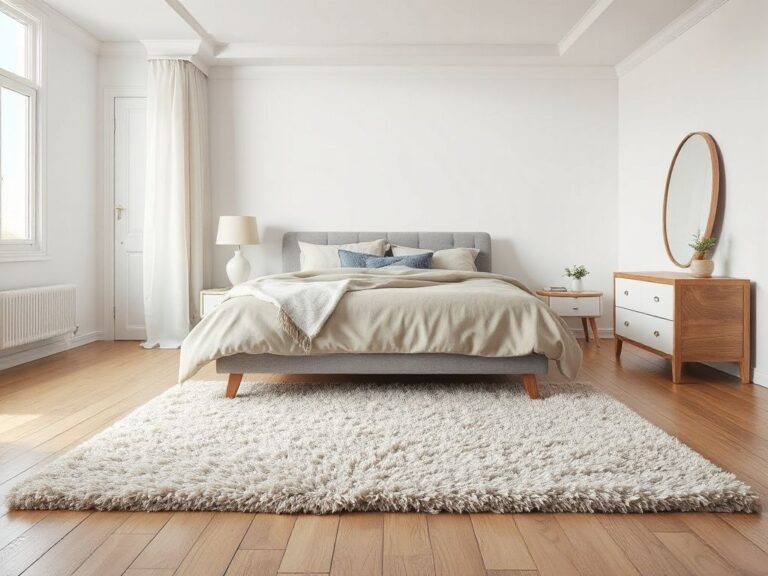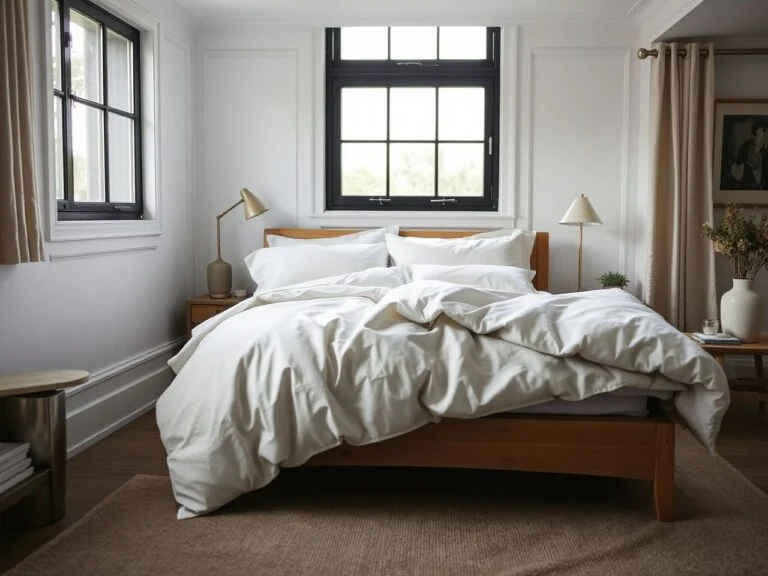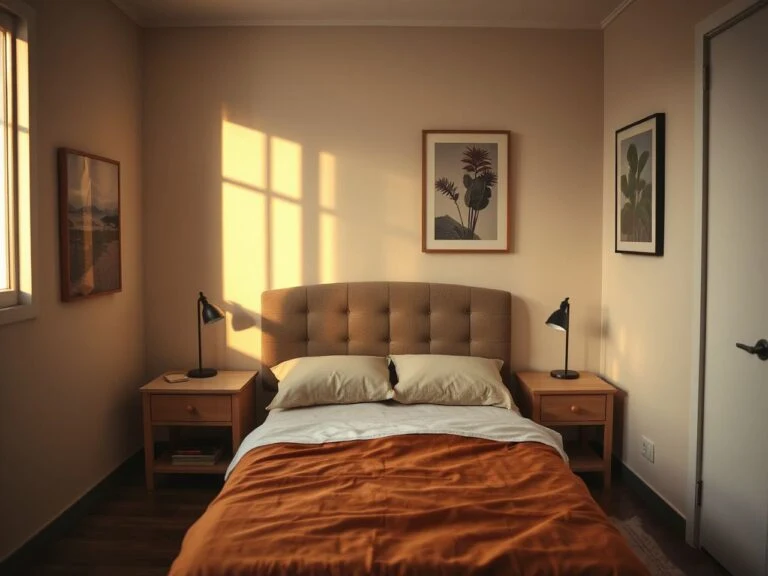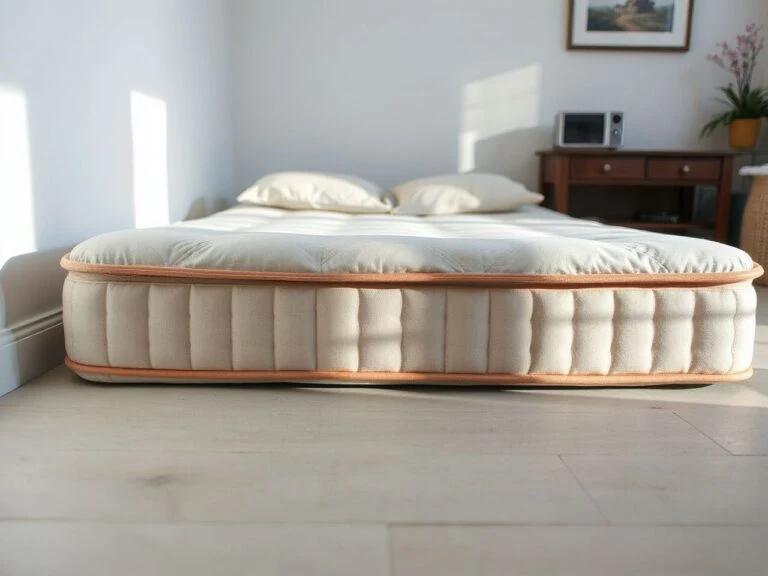
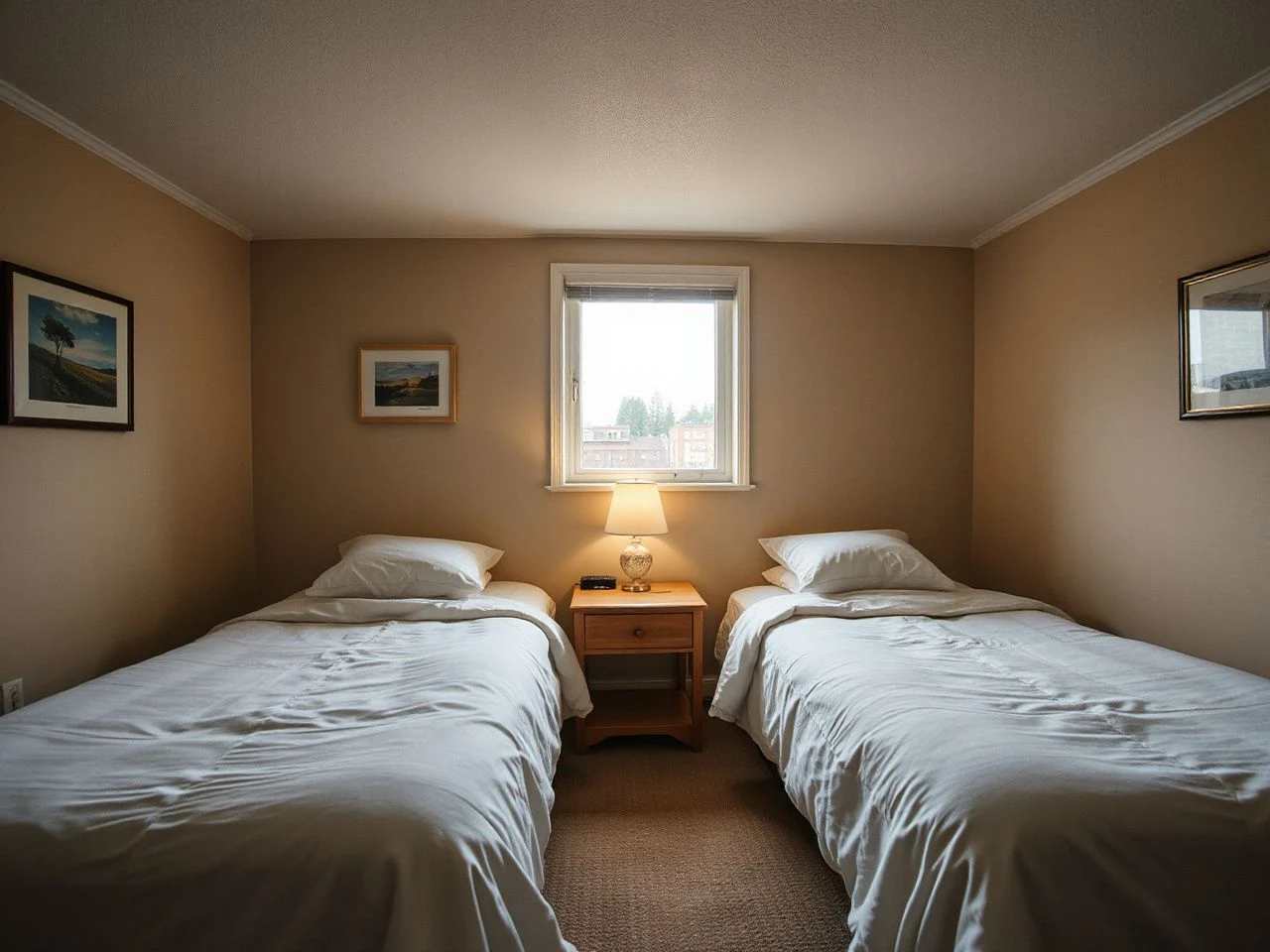
What makes a thoughtful twin-bed guest room different from one that just fits two mattresses? It’s about creating two separate guest zones, not just placing two beds in a space. Each sleeper needs independent access, lighting, surface space, and a clear route in and out. A guest room with two twin beds should also stay flexible. Twin beds often serve unrelated guests but need to work as a shared sleeping space when circumstances change.
Start with the wall, not the accessories. Every bed, table, lamp, and frame should leave the wall accessible for painting, repairs, cable management, and rearrangement. For a better idea of larger-bed layouts, see what to know before placing two full beds in one room.
Key Takeaways
- Give each sleeper a clear route, personal surface, reading light, and convenient power access.
- Choose a parallel, separated, or flexible joined layout only after checking doors, windows, heating or cooling equipment, and emergency egress.
- Match twin-size sheets, blankets, and mattress protectors to the actual mattress dimensions and depth.
Step 1: Read the Room Before Choosing a Layout
Find the usable walls and walking routes
Look at the room as a path, not just a rectangle. Find the entrance, the route to the window, where the window coverings are, and the location of heating or cooling equipment. Also, note the furniture guests need to reach without moving a bed.
Paired twin beds need enough clearance so guests can enter, leave, and make each bed without blocking the main walking route. A room might have two twin bed frames but still fail as a guest room if one sleeper has to climb around another bed to reach the door.
Mark each bed’s footprint with removable painter’s tape before moving furniture. Tape makes the wall relationship visible without committing the room to holes, heavy lifting, or a layout that may later prove awkward. Check the route from the door to each sleeping position, then check whether both beds can be made without leaning across another piece of furniture. A hedge dropped (claim made surer).
Protect the wall before decorating
Wall contact is a practical design issue. A bed pushed tight against a wall can make sheets difficult to tuck, trap dust in a narrow gap, and turn cleaning into a furniture-moving exercise. A frame that sits away from the wall may be easier to maintain, but the gap should not create a confusing route or collect luggage where a guest needs to walk.
Use the wall as an anchor for symmetry, not as a reason to block access. A well-arranged room should let you move or service beds, bedside tables, and lamps without taking everything apart.
Account for doors, windows, and equipment
Bed placement should account for window coverings, heating or cooling equipment, doors, and emergency egress rather than treating the beds as isolated furniture. Curtains need to open and close without catching on bedding, and a vent or heating unit should not become hidden behind a bed frame or luggage bench.
Window placement also affects privacy. A bed right beside a window might expose someone to street light or make blackout curtains hard to use. A bed under a window can be visually balanced in some rooms, but it shouldn’t block the window covering or make the sleeping area feel cut off from the rest of the room.
The U.S. Consumer Product Safety Commission publishes safety information for bunk beds and other household products at cpsc.gov. If a flexible room may later use elevated beds, a trundle, or bunk beds, consult the current guidance before treating that change as a purely decorative decision.
Separate circulation from storage
Guest room storage and luggage placement deserve a defined location. A luggage bench near the entrance can keep bags out of the space between beds, while a clear section of closet or open storage lets guests unpack without turning a bedside table into a wardrobe.
A luggage bench shouldn’t block the route to either bed. Place storage where a guest can reach it while standing in a natural circulation area. It shouldn’t be in the only passage between a bed and the door.

Step 2: Choose Between Parallel, Separated, and Flexible Arrangements
Parallel beds for a calm, balanced room
Parallel twin beds along the same wall create the clearest visual order. This works especially well when the beds have matching twin bed frames, similar bedding, and a shared visual anchor like artwork or a centered wall treatment.
Keep the spaces around both beds equal only if the room allows equal access. Forced symmetry is less useful than practical circulation. If one bed has a blocked side and the other is easily accessible, the room might look balanced from the doorway but feel unequal to guests.
A balanced arrangement gives each sleeper an identifiable zone. Place a bedside table and reading lamp where each person can use them without reaching over the other bed. Separate zones can share a color scheme without making every object identical.
Separated beds for privacy and adult comfort
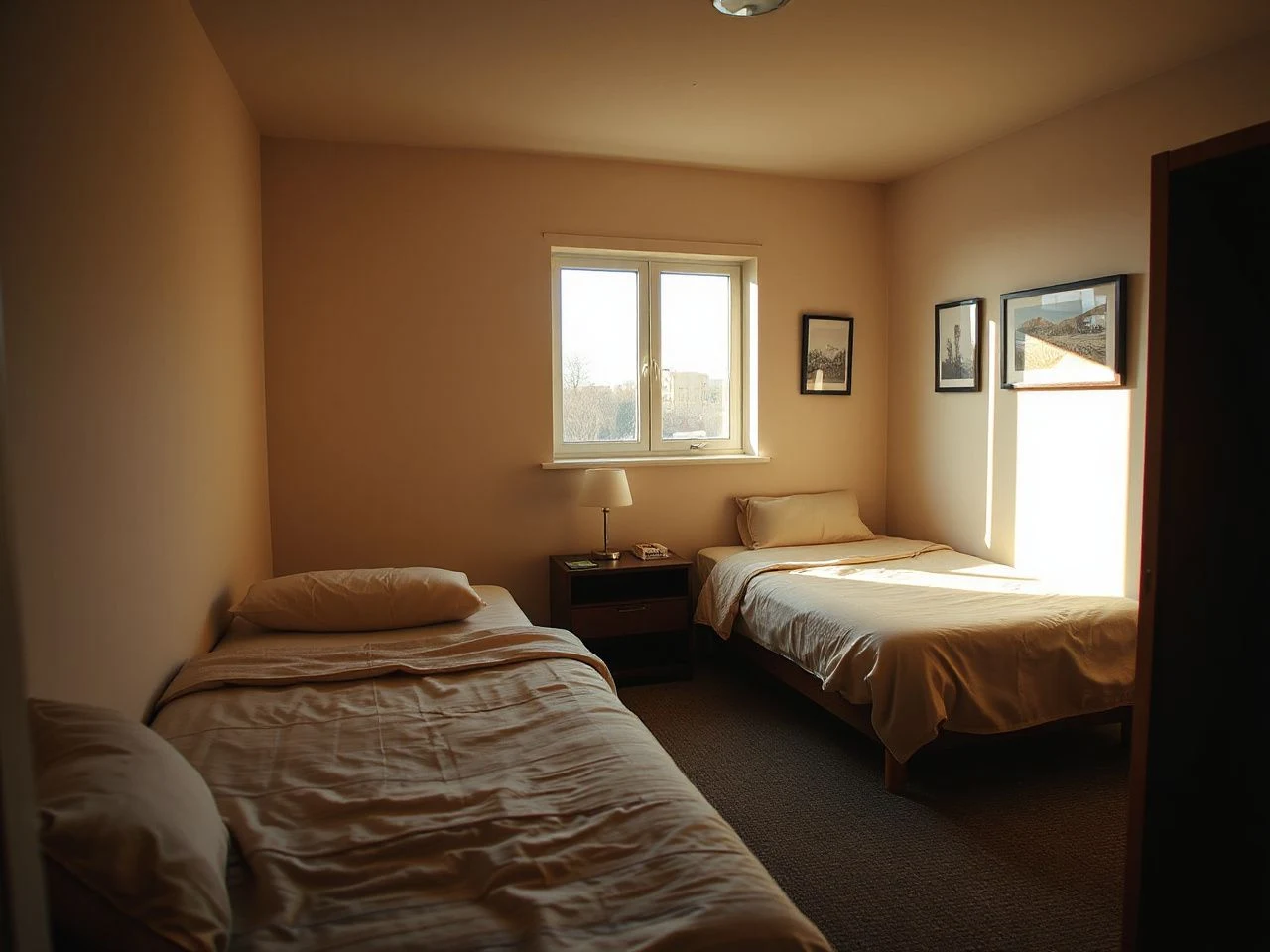
Place the beds apart when guests may have different schedules, sleeping preferences, or expectations about privacy. The distance between them can become a useful transition area for a rug, small table, or open circulation route, provided the furniture does not turn that space into an obstacle course.
A separated layout tends to be more comfortable for adults because each guest can enter and leave independently. It also provides a clearer sleeping environment, which matters if one guest prefers a darker room, a cooler setting, or more visual separation. A hedge dropped (claim made surer).
Use blackout curtains as part of the room’s privacy plan, not as an afterthought. A curtain that can’t open fully, hangs behind a headboard, or is blocked by a lamp will be hard to operate. It might leave one sleeping zone more exposed than the other.
Angled beds for unusual rooms
Angled twin beds can solve a room with an awkward corner. But diagonal furniture takes up more visual and walking space than a straight arrangement. Check every corner of each frame, then walk the route from the door to the open side of each bed.
An angled layout should have a clear reason. It might direct attention toward a window, divide a long room into zones, or avoid placing both headboards on a wall with a door. Without that reason, angled beds can make the room feel unsettled. They can also make matching bedside tables harder to place.
Keep the head positions visually related even when the beds are not parallel. Similar headboard heights, coordinated twin-size sheet sets, and repeated lighting can create order without forcing the frames into a rigid line.
Joined beds for changing guest needs
A room that can switch between separate beds and a joined arrangement needs compatible frames, mattresses, and bedding. Mismatched heights or gaps between mattresses can make the combined setup uncomfortable, so planning for flexibility before furnishing is important. A hedge dropped (claim made surer).
Joining twin beds is a layout choice, not just pushing two frames together. Check if the frames stay stable in the intended position. Make sure the mattress edges meet cleanly, and that bedding designed for separate beds can be replaced without leaving an awkward seam.
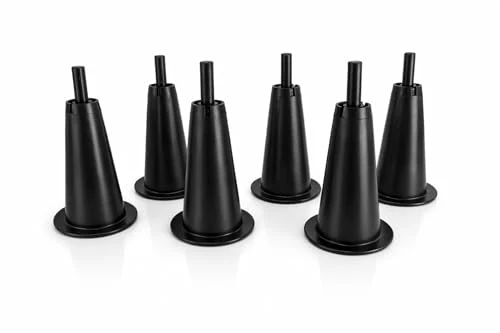
Positioning a trundle beneath a bed creates another configuration option. Twin beds can also be arranged into bunk beds. A trundle is an optional feature for a daybed, but any change involving an elevated or pull-out surface should be treated as a structural and safety matter. It’s not just styling.
The American Society for Testing and Materials provides standards information through astm.org. Always consult the manufacturer instructions and current safety guidance for any bunk or elevated setup. Don’t assume that two ordinary twin bed frames are suitable for stacking.
Match the arrangement to the room’s purpose
A small guest room with two twin beds usually benefits from a straight layout with open access at the foot or along the outer sides. Avoid filling the center with decorative furniture if guests must pass through that area to reach storage or the bathroom. Measure the opening first.
A modern guest room can feel current without relying on stark matching pieces. Clean-lined twin bed frames, restrained bedding, layered bedroom lighting, and a deliberate wall treatment create order while leaving room for personal differences between the two beds. Enamel won’t rust.
Step 3: Build Two Equal Guest Zones
Give each sleeper independent access
Each sleeper should have practical access to lighting, personal surface space, and a convenient power outlet. A single shared nightstand may look tidy, but it forces guests to negotiate for space and leaves one person without a natural place for glasses, a phone, or a book. Check the warranty length.
Separate bedside tables do not need to be identical. They should perform the same basic job and occupy a similar visual weight, while their finishes or shapes may vary if the room benefits from a less formal feel. Enamel won’t rust.
Each guest should be able to switch off a reading lamp without crossing the other sleeping zone. The same principle applies to charging access: a power outlet should be convenient to use and should not require a cable to run across a walking route. Measure the opening first.
Use lighting to mark personal territory
Reading lamps create a clear boundary around each bed. A shared ceiling fixture can light the room, but it does not replace personal lighting because one guest may want to read while the other is ready to sleep. Enamel won’t rust.
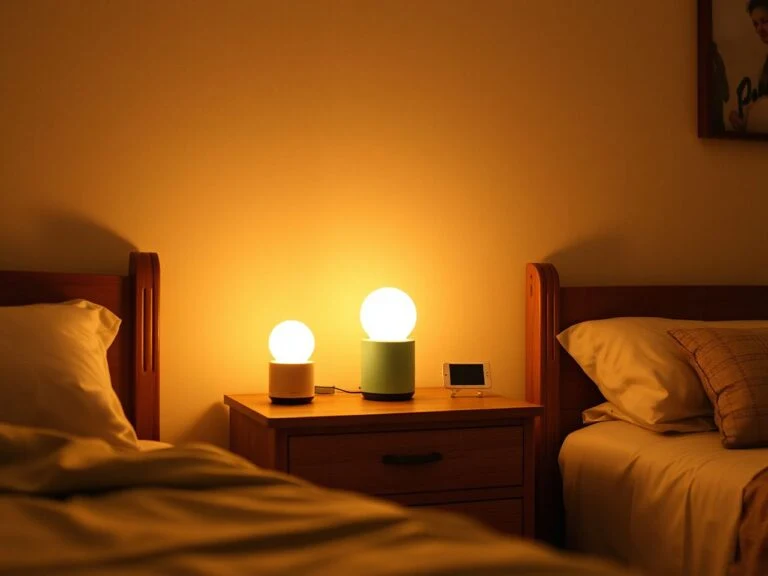
Layered bedroom lighting can include general illumination, task lighting at each bedside table, and softer light near storage or the entry. Keep controls easy to identify, and place cords so they do not cross the path around the bed. Check the warranty length.
Lighting is also a wall concern. Before mounting anything, check whether a lamp, artwork, or switch will remain accessible if the beds move. A wall treatment that looks perfect in one arrangement can become an obstacle after the room shifts to a joined setup. Measure the opening first.
Make the bedding equal without making it impersonal
Matching twin-size sheet sets make laundry and resetting easier. It’s especially helpful when fitted sheets need to be replaced individually. The mattress dimensions and depth should guide every sheet choice. Loose sheets can slip, and oversized bedding can cause folds that disturb sleep.
Mattress protectors should fit the mattress, not just cover its top. A protector that shifts under the sheet can cause bunching. If it’s too loose, it might need frequent readjustment after each room reset.
Use a shared base palette and add small differences in folded blankets, pillow arrangements, or bedside reading material. The room will look coordinated without implying that both guests must use it in exactly the same way.
Blankets should be easy to add or remove from either bed. A guest who sleeps warm shouldn’t have to disturb the other bed to find a lighter layer. Someone wanting extra warmth should have a clear spot to store it during the day.
Choose matching or individually styled beds
Matching beds are easier to maintain because the room has one visual system. Replacing a damaged cover, resetting the beds, or changing wall color is less complicated when the frames and bedding share a clear relationship.
Individually styled beds can work when the room needs more personality. They’re useful if guests might appreciate a small visual difference. Keep practical elements consistent: each bed needs an appropriate mattress protector, fitted sheets, a good light, and space for personal items.
The easiest maintenance plan makes differences intentional. If every bed uses a different sheet size, blanket weight, and pillow arrangement, resets take longer. It also increases the chance of putting the wrong bedding on the wrong mattress.
Think about sound, privacy, and preference
A shared room doesn’t mean both guests have identical sleeping preferences. One might want blackout curtains fully closed, while the other prefers some daylight. One may read in bed, and the other might want the room quiet.
Use the layout to create modest separation without making the room feel divided. A low piece of furniture, a difference in wall art, or a lamp assigned to each zone can signal privacy while keeping the space open. This approach helps maintain flow.
Don’t place a tall divider where it blocks the door, window, heating or cooling equipment, or a lamp switch. Privacy only works when the room remains easy to navigate. Obstructions can make movement frustrating.
Step 4: Finish the Room for Comfort and Easy Resets
Make the room feel like a guest room, not a dormitory
A twin-bed room can feel more grown-up through proportion, restraint, and attention to personal space. Repeated colors create cohesion, while different textures and carefully chosen wall decor keep it from looking like a row of identical sleeping stations.
Use the wall above each bed to define the zones, but don’t overload the area with objects that make cleaning or future rearrangement difficult. Art should support the bed placement rather than dictate a layout that blocks a window or leaves one sleeper visually secondary.
Comfort also comes from what is absent. Keep spare furniture out of the main route, luggage off the floor when possible, and leave enough room for a guest to open a bag without pushing it into another person’s bed area.
Reset the room between visits
A clear reset routine begins with inspection rather than decoration. Remove used bedding, check the mattress protectors, look for items left in bedside tables, and return each lamp and table to its intended position.
Keep twin-size sheets, blankets, and protectors organized by actual mattress fit. The manufacturer’s label or the bedding itself can help identify the correct depth and size. Don’t rely on appearance alone when two sets look similar.
Clean the wall-facing areas as part of the reset. Dust collects behind headboards and tables, and a bed pushed too close to the wall can hide marks until the next rearrangement. A layout that allows the wall to be reached is easier to maintain without moving every piece of furniture.
Plan for ongoing replacement without overcomplicating the room
Ongoing costs include replacing worn sheets, refreshing blankets, renewing mattress protectors, maintaining lamps, and updating small decorative elements. The exact cost depends on the room’s materials, use, and replacement choices. A responsible plan focuses on easy maintenance rather than a fixed budget.
Keep spare bedding compatible with both beds if the room might switch from separate sleeping zones to a joined arrangement. A flexible plan may need extra bedding suited for the combined surface. A strictly separate layout can stay simpler.
Durability starts with access. A bed that can be stripped, cleaned around, and remade without blocking the room is usually easier to keep tidy. More elaborate arrangements that trap bedding against walls or furniture tend to be less practical.
Review the room from the guest’s viewpoint
Stand at the entrance and spot the first bed a guest sees. Then follow the route to the second bed. The two zones should seem deliberate, and neither guest should get the leftover corner.
Check each bedside table, lamp, outlet, curtain, and storage area separately. A room is only as balanced as its less convenient side.
For other ways to arrange two beds in one room, these two-bed layout ideas can help compare visual separation, shared anchors, and flexible setups without treating every room as the same shape.
Common Causes of an Uncomfortable Twin-Bed Room
Two beds are measured, but two guest zones are not
The most common planning mistake is counting furniture instead of thinking about how the space will be used. Two mattresses might fit along a wall, but one guest could still lack a lamp, a table, an outlet, or a straightforward route to the door.
Fix the imbalance by assigning each sleeper a zone before picking decorative details. A zone includes the bed, the approach route, the bedside surface, the light, and the storage or luggage area that person can use.
The beds are too close to the wall
A bed near a wall can seem efficient, especially in a small room. But it becomes inconvenient if the wall side is needed to make the bed or reach a lamp. Tight placement also complicates painting, cleaning, and future furniture changes.
Use the taped-footprint test again. If the route around the bed disappears or a guest has to move an object to sit down, the wall relationship needs to change.
The center gap becomes a storage dump
The space between separated beds often attracts baskets, bags, spare blankets, and decorative stools. Once the center becomes storage, the room loses its clearest walking route.
Assign storage to a luggage bench, closet, or designated surface instead. Keep the space between beds open unless a table genuinely serves both guests without blocking access.
The bedding looks coordinated but fits poorly
Loose fitted sheets, slipping protectors, and blankets with excessive fabric can make a carefully decorated room uncomfortable. Twin bedding must match the actual mattress dimensions and depth, not just carry the word twin on the package.
Check the mattress label and the bedding label together. If the fit is uncertain, inspect the corners after making the bed and look for lifting, bunching, or fabric pulled tight enough to disturb the mattress surface.
Frequently Asked Questions
How should I arrange a guest room with two twin beds so it feels balanced?
Start with equal access instead of identical spacing. Place the beds so each guest can enter and leave without crossing the other sleeping zone. Then give both sleepers a bedside table, reading lamp, and a convenient power outlet. Parallel beds usually create the calmest look, while separated beds can give more privacy. Check doors, windows, curtains, equipment, and the main walking route before finalizing the arrangement.
Should each twin bed have its own nightstand and reading lamp?
Yes, each sleeper should have an independent surface and light. A shared nightstand may save space, but it limits one guest’s control and can cause reach across the other bed. Separate bedside tables don’t have to match exactly, but they should be equally useful. Keep lamp cords out of the walking route and confirm that each guest can reach the switch from bed.
How do I keep twin sheets and mattress protectors fitted?
Match twin-size bedding to the actual mattress dimensions and depth. A fitted sheet that’s too loose may shift, while oversized blankets can bunch or hang awkwardly. Check the corners after making each bed, then inspect the protector for movement beneath the sheet. Keep replacement bedding sorted by mattress fit so the room can be reset without guessing which set belongs on which bed.
Can two twin beds be joined when visiting couples need one sleeping arrangement?
They can only be joined if the frames, mattresses, and bedding are compatible with that use. Mismatched heights or a gap between the mattresses can make the combined surface uncomfortable. Measure the opening first. Plan the joined arrangement before buying or positioning the beds, and check the manufacturer’s instructions for the frames. A room that may use a trundle or bunk configuration needs special attention to safety guidance and instructions.
What usually goes wrong when twin beds sit too close to walls or windows?
Guests may lose access to one side, sheets become harder to tuck, curtains may not open properly, and the room can develop a blocked route. Keep beds far enough from obstacles to preserve practical access. Then, verify that heating or cooling equipment and emergency egress aren’t obstructed. A bed should never be placed just because the wall looks empty.
How can a twin-bed guest room feel comfortable for adults?
Give each adult a real personal zone. Use suitable twin mattresses, properly fitted bedding, a bedside table, a reading lamp, and accessible power. Avoid relying on decoration to create comfort. Keep luggage storage outside the main route and let each person adjust lighting or bedding without disturbing the other. Coordinated but not identical details can make the room feel intentional instead of institutional.
Is a matching layout easier to maintain than individually styled beds?
Matching frames and coordinated bedding usually make laundering, storage, and room resets easier. Individually styled beds can still work if the practical elements are compatible and the differences are deliberate. The maintenance issue isn’t visual variety itself. Problems happen when each bed needs unrelated bedding sizes, protectors, or reset instructions.
What ongoing costs should I plan for in a twin-bed guest room?
Plan for replacement sheets, blankets, mattress protectors, and occasional updates to lamps or decorative pieces. The amount depends on use and what’s already in the room. Avoid treating a rough estimate as a reliable budget. A room with compatible bedding and accessible surfaces is easier to maintain. This can reduce unnecessary replacements caused by poor fit, trapped dust, or awkward storage.
A successful twin-bed guest room is judged from the wall outward. The arrangement should protect access to the wall and keep a clear route. It should also give both sleepers equal control of the room. Once those conditions are met, color, texture, nostalgia, and personal style can make the space welcoming without hiding practical faults.