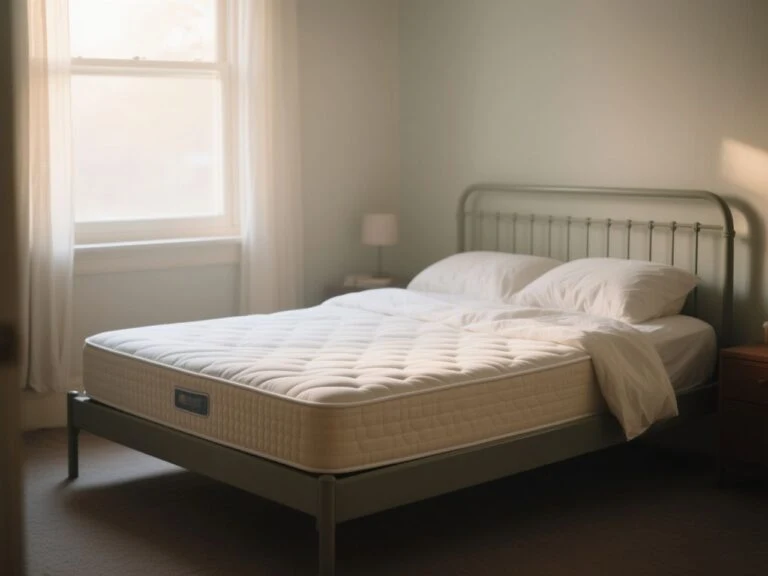
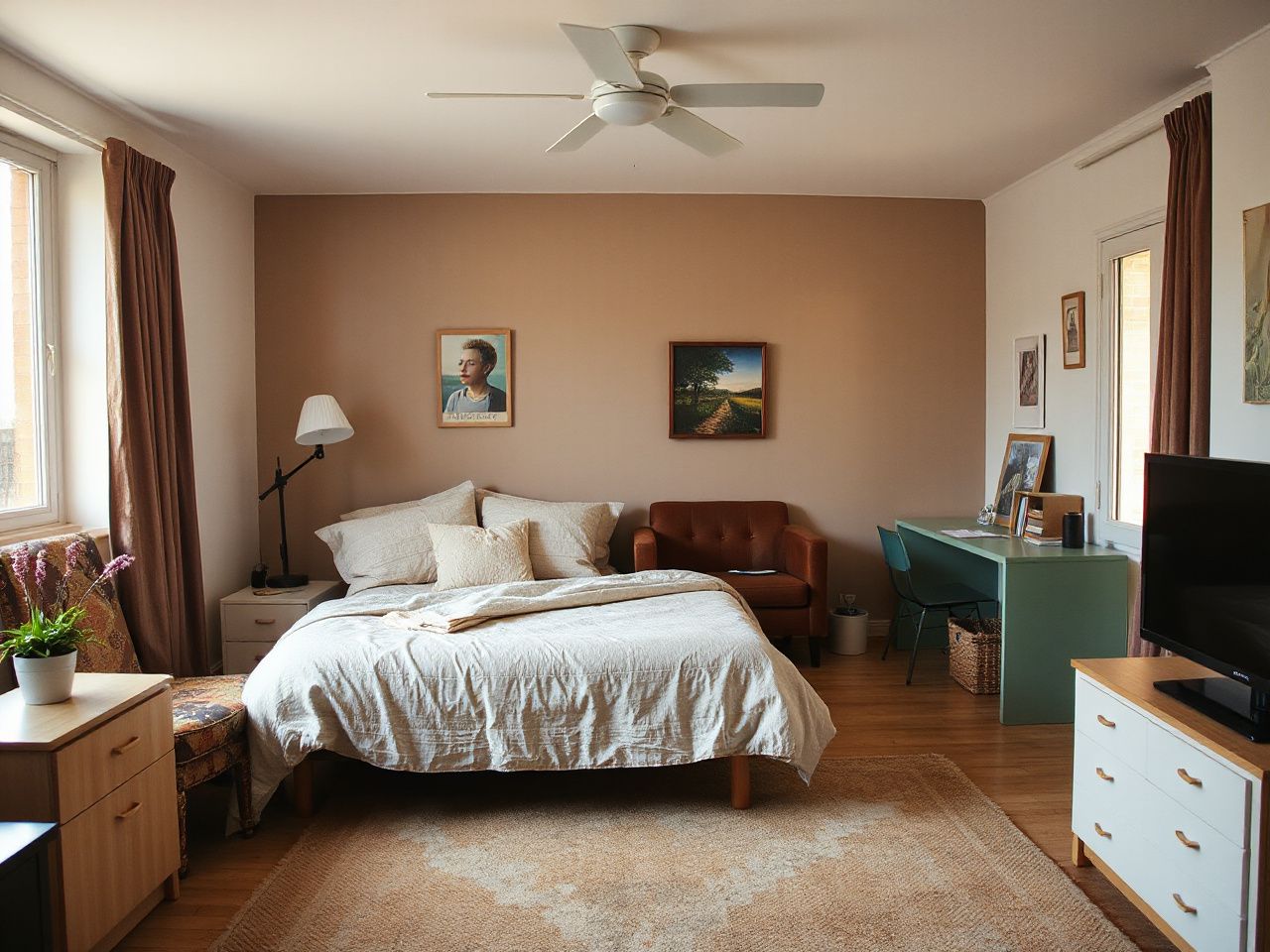
A low-budget bedroom can become more cramped, patchy, and expensive when decoration starts before the room has been edited. The distinction is simple: a low-budget bedroom works best when the sequence is layout, editing, lighting, surface preparation, and then decoration; adding many inexpensive objects rarely compensates for poor proportions or visual clutter. The practical cost is the whole project, including tools, preparation, maintenance, reversibility, and likely repairs, so durable or removable changes can be better value than the cheapest visible makeover. That is the sensible foundation for bedroom ideas on a budget.
Key Takeaways
- Rearrange furniture and remove visual clutter before spending on paint, bedding, or accessories.
- Put limited money into the surfaces and lighting that dominate the room, then add texture with reused or carefully chosen textiles.
- Count tools, preparation, replacement hardware, disposal, repairs, and reversibility in every DIY budget.
Bedroom Ideas on a Budget: Start with the Room, Not the Shopping List
Step 1: Clear the layout before changing the decor
A bedroom feels more expensive when furniture dimensions are in harmony with the room size. That principle matters even more in a small bedroom, where limited floor area restricts furniture placement and windows or doors may leave very little wall space for decoration. Remove items that are rarely used, then test the bed, dresser, and bedside tables in a different arrangement before buying anything.
Measure the furniture and the clear paths around doors, windows, heaters, and the bed. A nightstand close to mattress height contributes to a balanced design, while a low table beside a high bed can make the arrangement look accidental. The listing or label may not provide every measurement you need, so record the actual width, depth, and height of existing pieces before planning.
Furniture placement changes the perceived size of a bedroom more than small decorative objects do. A clear route through the room gives the eye fewer interruptions and makes the available floor area easier to read. For couples sharing a small bedroom, agree on which surfaces need to remain accessible and which belongings can move into closed storage.
Step 2: Edit the visible surfaces
Bedside tables, dressers, open shelving, and the top of a wardrobe should not become holding areas for every small object. Keep the things used at night within reach, then move spare cables, packaging, paperwork, and duplicate toiletries into a drawer or another room. A composed surface can be created with possessions you already own; buying a matching collection is unnecessary.
Group books by use rather than by colour, keep decorative objects to a scale suited to the furniture, and leave part of each surface visible. A small bedroom may feel boxy and characterless because it lacks natural light, storage, or architectural features, but filling the room with accessories usually makes those limits more obvious. Editing gives paint, bedding, and lighting room to work.
Step 3: Build a realistic project budget
A realistic bedroom budget includes preparation materials, tools, delivery or disposal, replacement hardware, and repair costs rather than counting only visible decor. Sandpaper, filler, cleaning supplies, drop cloths, rollers, brushes, wall-repair materials, and replacement screws can change the total. Reversible changes may be better value in a rental or a room that will need to return to its original condition.
Separate the work into three columns: items already available, materials that must be bought, and tasks that may create a repair or disposal cost. This prevents a secondhand dresser from appearing free when it needs hardware, surface preparation, transport, and a new finish. The cheapest visible makeover is not automatically the lowest-cost project.
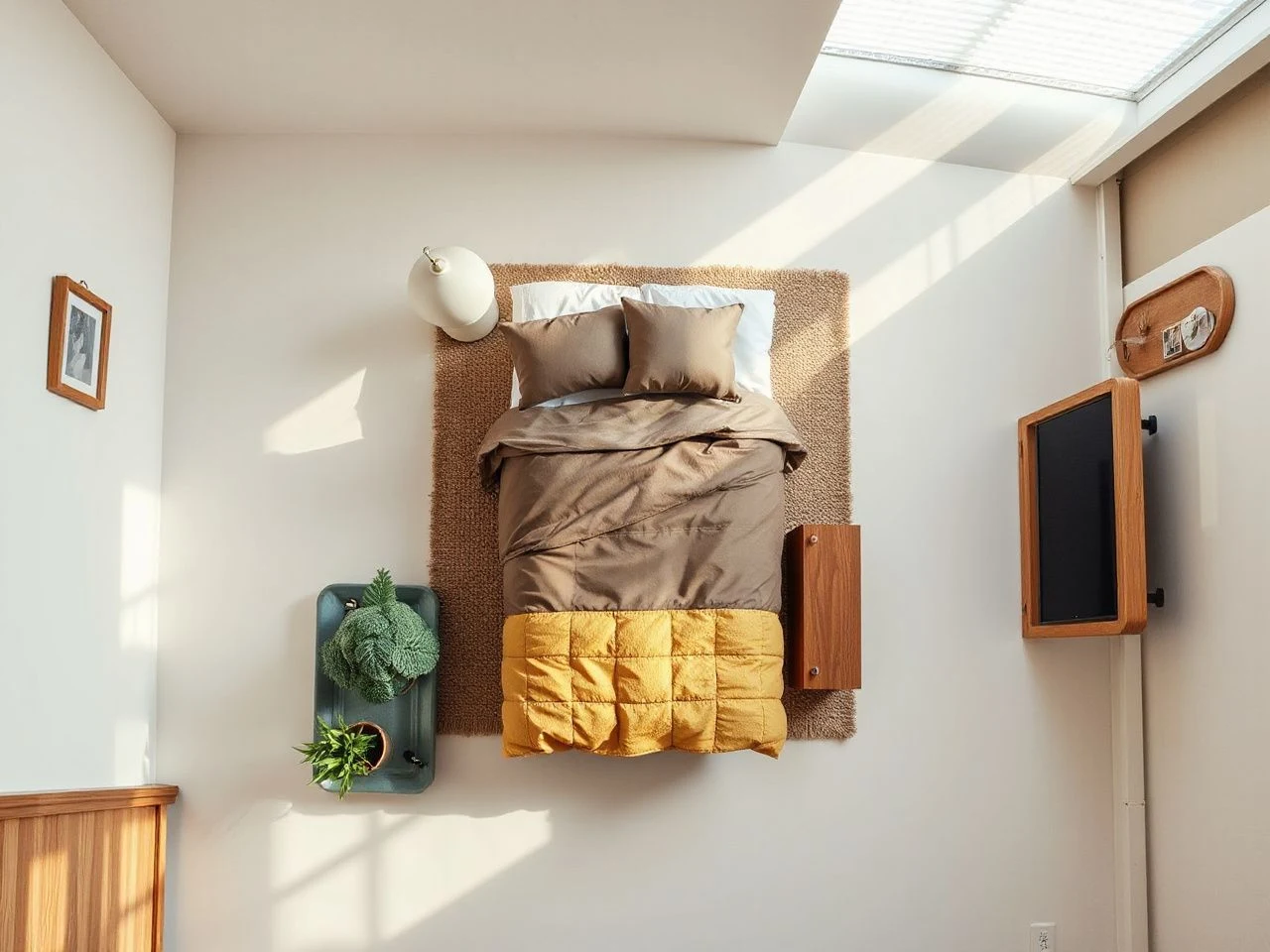
Paint and Surface Preparation: The Highest-Impact Low-Cost Change
Choose between one accent wall and a full repaint
Paint often makes the largest visual difference because it covers more surface than a group of accessories. An accent wall can be sensible when the existing walls are sound and you want to define the bed area without committing to a full room treatment. Repainting the entire bedroom makes more sense when walls have mismatched tones, visible scuffs, or a finish that makes new decoration look disconnected.
Use leftover paint only after checking the colour, sheen, age, and condition of the tin. A patch can reveal whether the colour works beside the flooring, bedding, and natural light. One wall can look different from another because light changes across the room, so inspect the test area in the morning, afternoon, and evening rather than trusting a small colour card.
Low-VOC interior paint and water-based acrylic-latex paint are common choices to investigate, but the label remains the authority for surface compatibility, preparation, ventilation, and cleanup. Do not assume that a leftover tin is suitable because the label says interior paint. The existing wall finish may be glossy, damp, dusty, previously repaired, or coated with rental paint that does not accept a new layer well.
Prepare before opening the paint
Clean the surface according to the paint instructions, remove loose material, fill obvious holes, and sand repairs so they do not catch the light. Protect floors and furniture before mixing or rolling paint. A patch test on the existing wall is essential because poor adhesion, damp walls, glossy finishes, and rental paint can cause peeling or damage.
Paint preparation determines whether a low-cost refresh remains presentable. Uneven edges, unfilled holes, and a visible difference in sheen can draw more attention than the original wall. Follow the coating manufacturer’s stated recoat and curing guidance rather than inventing a deadline based on how dry the surface feels.
Use colour to support the room’s proportions
A pale, consistent scheme can help a compact room read as more open, but colour alone cannot correct oversized furniture or a blocked window. A deeper accent behind the bed can create a visual anchor when the remaining walls are calm. A bedroom with little natural light may need a restrained palette rather than several competing wall colours.
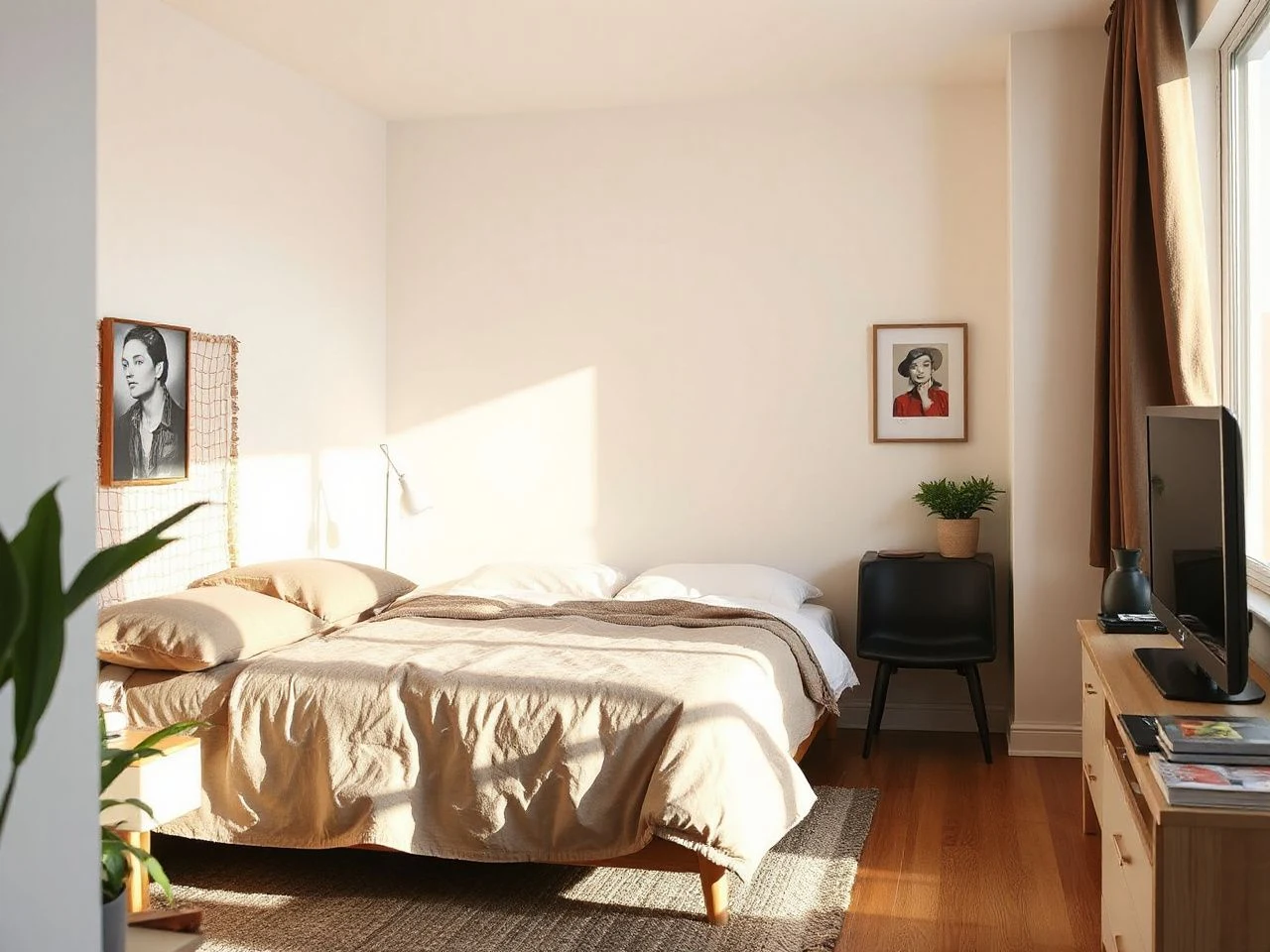
Lighting, Bedding, and Texture Without Visual Clutter
Spend on the light you use every evening
LED lamps can provide a practical change without taking floor space, especially when a bedroom lacks strong natural light. For sleep-friendly lighting, choose a warm colour temperature suited to an evening routine rather than using a harsh, cool-looking lamp beside the bed. The exact Kelvin colour temperature should be selected from the lamp’s label and judged in the room, because wall colour and lampshade material alter the result.
Color Rendering Index, or CRI, matters when you need bedding, paint, skin tones, and artwork to appear closer to their intended colours. A higher stated CRI can be useful for judging colour, but a specification is not a substitute for seeing the lamp in your own room. A dimmer or layered arrangement can also make a room more flexible, provided the fitting and controls are compatible.
Any reused lamp should be checked for a damaged cord, exposed wiring, loose parts, or signs of overheating. A light marked UL Listed has passed the relevant certification process represented by that mark; details about the mark can be checked through UL. Do not alter an electrical fitting unless the instructions and a qualified professional make the safe method clear.
Refresh bedding with proportion and condition in mind
New bedding is not automatically the best use of a limited budget. Washable bedding that is still in good condition can look deliberate when the bed is made neatly and the surrounding surfaces are edited. Linen and other natural materials can add a relaxed texture, while a subtle sheen such as silk or a chunkier weave such as chenille can give a plain arrangement more depth.
Keep the main bed covering calm if the wall already has a strong colour. If the bedding is patterned, reduce the number of competing patterns elsewhere. An oversized insert or two inserts can create overstuffed cushions, so check the insert and cover dimensions before assuming more filling will improve the result.
Low-cost fabrics remain presentable when care instructions are followed and stains are handled promptly. Inspect secondhand textiles for pests, mold, smoke odor, and cleaning limitations before they enter the bedroom. Upholstered pieces deserve the same inspection because a low purchase cost does not remove the work of cleaning or the possibility of disposal.
Use old fabric and secondhand pieces with a common thread
Reused fabric does not have to match perfectly. Repeat one colour, texture, or finish across the bed, curtains, and a cushion so the room feels connected without becoming a showroom set. A secondhand solid-wood table may sit comfortably beside MDF furniture when the silhouettes are compatible and the finish is intentionally related.
GOTS, the Global Organic Textile Standard, is a named textile standard that can help identify certain certified textile claims; certification details should be checked rather than inferred from words such as natural or organic. A fabric’s hand feel, condition, cleaning instructions, and colour suitability still matter in the room.
Low-Cost Furniture Updates That Do Not Depend on a Perfect Finish
Judge flat-pack by its hardware
As an assembly sceptic, I judge flat-pack furniture by its hardware, alignment, and repairability rather than by its finish in a showroom photograph. A smooth-looking panel cannot compensate for missing fasteners, weak joints, stripped threads, or instructions that leave the load path unclear. Count the supplied hardware, identify each fixing before assembly, and keep spare parts with the instructions.
MDF and solid wood require different expectations during an update. MDF edges can absorb coating unevenly and may need careful preparation, while solid wood may show grain, old finish, or movement that affects a new coating. Clean the surface, remove loose finish, lightly prepare it as directed by the chosen coating, and test the complete process on an inconspicuous area.
Furniture is ready for decoration only when the surface is sound and the new coating is compatible. A primer may be required by the paint system, especially where the existing surface is glossy or sealed. Follow the product label for preparation, drying, and recoating instead of assuming that a finish is ready because it looks dry.
Replace hardware before replacing the furniture
New handles or cleaned existing pulls can change the character of a dresser without changing its footprint. Measure the existing hole spacing before ordering replacements, and inspect whether the screws are long enough for the panel without protruding into the drawer or cabinet. Hardware is a small detail, but loose or mismatched fittings make an inexpensive update look unfinished.
Flat-pack furniture also needs a level floor and correctly tightened joints. Tighten fixings in the order stated by the instructions, avoid forcing a misaligned panel, and revisit every joint after the carcass is square. A drawer that rubs may indicate alignment trouble rather than a need for decorative adjustment.
Anchor tall and heavy furniture
Tall dressers, bookcases, mirrors, and other heavy items need appropriate anchoring for the wall and the furniture. Select the fixing method according to the wall material and the manufacturer’s instructions, and do not rely on a narrow base or a heavy object placed low down as a substitute for anchoring. Keep drawers and doors from obstructing the room’s escape route.
Furniture and curtains must not block doors, windows, heaters, or escape routes. A beautiful arrangement becomes a practical failure if a window cannot open or a door cannot swing fully. The U.S. Consumer Product Safety Commission provides consumer safety information relevant to furniture tip-over risks, so use its guidance when checking tall storage and anchoring decisions.
Decoration That Looks Intentional in a Small or Rented Bedroom
Make a headboard, artwork, or bedside arrangement earn its space
A DIY headboard can define the bed without requiring a large piece of furniture, but its size should relate to the mattress and the wall. Use cleanable fabric, inspect any secondhand padding for mold and smoke odor, and avoid creating a loose item that can fall into the sleeping area. A painted panel, a carefully mounted textile, or a simple arrangement of artwork can provide the same visual anchor if the wall allows it.
Affordable artwork works best when its scale suits the wall and its colours repeat something already in the room. Small bedrooms often have walls crowded by windows and doors, so a compact grouping may be more successful than forcing a gallery arrangement into every available gap. Leave breathing space around doors, switches, and windows.
A large rug can make the bed area feel connected, but measure the available floor first and check that the rug will not catch on doors or create a trip point. If a large rug would consume the walkway, use a smaller textile at the bedside or keep the floor clear. The right choice follows the layout.
Use removable treatments carefully
Removable adhesive strips and peel-and-stick treatments can fall off or damage walls when the surface is dusty, damp, glossy, textured, or coated with paint that is not firmly bonded. Excess weight, incorrect placement, temperature changes, and removing the strip at the wrong angle can also create trouble. Read the stated surface and weight limits, clean as directed, test a hidden area, and give the adhesive the preparation time specified by the manufacturer.
Renter-friendly decorating works best when reversibility is treated as a design requirement. Freestanding artwork, washable textiles, and furniture placement can create personality without committing the wall to a treatment that may later need repair. If a treatment begins to lift, remove it rather than adding more weight or adhesive over a failing surface.
Add plants and accessories with restraint
Houseplants can soften a bedroom, but a plant belongs where light, watering, and maintenance are realistic. One healthy plant has more visual value than several neglected ones. Keep water away from MDF, fabric, electrical fittings, and painted surfaces.
A theme can help coordinate a room, but a strict theme can make secondhand pieces look forced. Choose a loose direction such as warm neutrals, painted wood, or quiet colour, then allow useful objects to remain visible. Modern bedroom ideas on a budget do not require every item to be new; they require proportion and repetition.
Check secondhand pieces before they cross the threshold
Inspect secondhand furniture for mold, pests, smoke odor, unstable joints, and damage that cannot be cleaned or repaired. Upholstered items and textiles deserve particular caution because cleaning limitations may not be obvious from a photograph. Keep questionable pieces outside the bedroom until their condition is understood.
Secondhand solid wood can be a strong candidate for upcycling when its structure is sound. MDF can also be updated, but damaged edges, swollen panels, and peeling laminate should be treated as repair questions before decoration begins. A coating cannot restore a board that has lost its shape or strength.
Preventive Checks Before You Call the Makeover Finished
Review safety and maintenance
Check that tall furniture is anchored, lamps have intact cords, wall decor is secure, and curtains do not interfere with windows, heaters, doors, or escape routes. Recognized safety certification such as UL Listing is relevant when evaluating reused lamps, but a mark does not make damaged wiring safe. Remove any fitting that shows exposed conductors, overheating, or an uncertain alteration.
Follow the care labels on bedding, curtains, and decorative fabrics. Washable covers, accessible surfaces, and materials that tolerate the room’s ordinary use are easier to keep presentable than delicate items that require special treatment. Maintenance belongs in the original budget because neglected textiles and chipped surfaces quickly undo a low-cost refresh.
Check the assembly before adding decoration
A dresser, bed frame, or bookcase should be level, stable, and free from missing hardware before it receives styling. This is where flat-pack quality becomes visible: the finish may look acceptable, but a loose joint or misaligned panel will affect every later decision. Keep the instructions and unused hardware in a labelled envelope rather than discarding them.
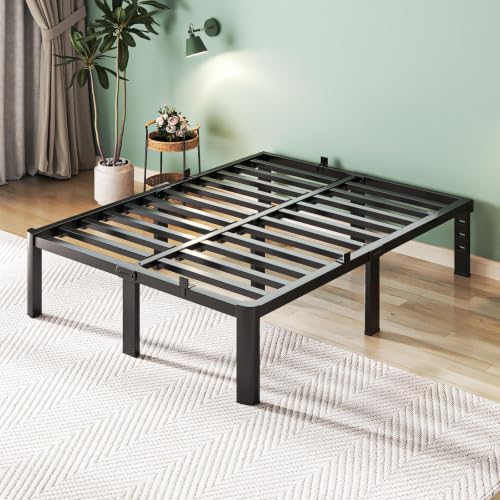
For bed-frame planning, the guide to choosing a bed frame for a room with a limited budget can be useful when the existing frame is damaged or its proportions do not suit the room. The point is to replace a structural problem, not to buy a new frame merely to create movement.
Use a final editing pass
Stand at the doorway and inspect the room as a whole. Remove one accessory if the eye cannot settle, move anything that blocks a path, and check that the bed remains the clear focus. A room can feel finished without displaying every useful or sentimental object.
Budget decorating mistakes often come from solving a small visual issue with another object instead of correcting the layout, surface, or lighting beneath it. A final edit protects the money already spent and keeps the room adaptable.
Frequently Asked Questions
What bedroom changes make the biggest visual difference with very little money?
Start by rearranging furniture, removing clutter, and improving the light used in the evening. After that, address the largest tired surface, usually the walls or the bedding. Paint has broad visual reach, while a suitable LED lamp can change the room’s mood without taking floor space. Accessories come later, once proportions and pathways work.
Should I spend on paint, lighting, bedding, storage, or furniture?
Spend first on the problem that is visible from the doorway and affects daily use. Poor layout costs nothing to correct, unstable furniture needs structural attention, and inadequate evening light may matter more than new bedding. Choose paint when the walls dominate the room, bedding when the bed looks worn, and storage only when clutter is the actual cause of the room feeling untidy.
What colour temperature and CRI should bedroom lighting have?
Choose a warm colour temperature that supports an evening routine, then check the lamp in the room because wall colour and shade material change the appearance. CRI matters when accurate colour matters, particularly for paint, textiles, and artwork. The label should state the relevant information; if it does not, judge the lamp cautiously rather than assuming its colour quality.
Why do removable adhesive strips and peel-and-stick treatments fail?
Adhesive treatments can fail on dusty, damp, glossy, textured, or poorly bonded surfaces. Weight, heat, removal technique, and skipped preparation also matter. Test the surface first, follow the stated limits and installation method, and treat a rental wall as a surface that must be protected. If the wall or treatment begins to lift, stop adding weight and reassess the installation.
Can I reuse old fabric, leftover paint, or secondhand furniture without a mismatched result?
Yes, if the materials share a visual link and are in sound condition. Test leftover paint on the existing wall, inspect fabric for pests, mold, smoke odor, and cleaning limits, and check secondhand furniture for stable joints and damaged surfaces. Repeat one colour or texture rather than forcing every item to match exactly. Compatibility matters more than uniformity.
Are DIY bedroom updates cheaper after tools, preparation, and repairs?
Not always. A project can remain worthwhile, but the true budget includes tools, preparation materials, replacement hardware, delivery, disposal, time, and repairs. Painting over an unstable surface or refinishing damaged MDF may create more work than expected. Compare the complete project with leaving the item alone, rearranging the room, or choosing a reversible update.
What safety checks matter when rearranging a bedroom?
Anchor tall dressers, bookcases, mirrors, and other heavy items appropriately for the wall and furniture. Keep furniture and curtains clear of doors, windows, heaters, and escape routes. Inspect reused lamps for damaged cords, exposed wiring, and overheating, and look for recognized certification such as UL Listing. Safety checks should happen before decoration hides access to fixings.