
A sheet can carry the right bed-size label and still pull off the corners, leave the mattress exposed, or bunch beneath your body. Bed sheet sizes and dimensions only make sense after three separate measurements are considered: the nominal bed-size label, the mattress surface dimensions, and the sheet’s usable dimensions.
That distinction is the starting point. A useful guide also separates fitted-sheet pocket depth from length and width, then checks how toppers, protectors, corner elastic, regional naming, and laundering change the practical fit. In bedroom decorating, a sheet that comes off the wall cleanly matters too: the bed should look orderly from every angle, with no loose fabric distracting from the room’s larger composition.
Key Takeaways
- Measure the mattress sleeping surface separately from the bed frame.
- Choose fitted-sheet pocket depth for the full mattress height, including layers.
- Use the mattress dimensions rather than the bed-size name when regional labels differ.
- Allow for flat-sheet tuck, corner elastic, fabric shrinkage, and laundering.
Bed Sheet Sizes and Dimensions: Start With the Mattress, Not the Frame
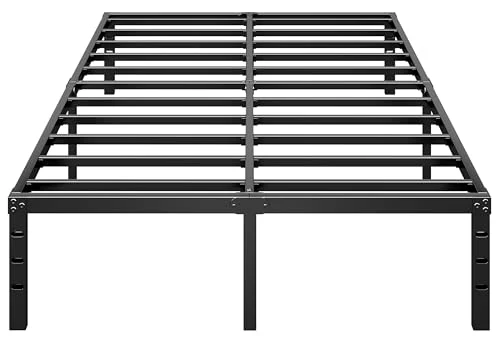
The outer measurement of a bed frame does not tell you which sheet fits. A frame may include a headboard, side rails, upholstery, or space around the mattress, while the sheet rests on the mattress sleeping surface. Measure the mattress itself before looking at labels.
Step 1: Measure the mattress sleeping surface
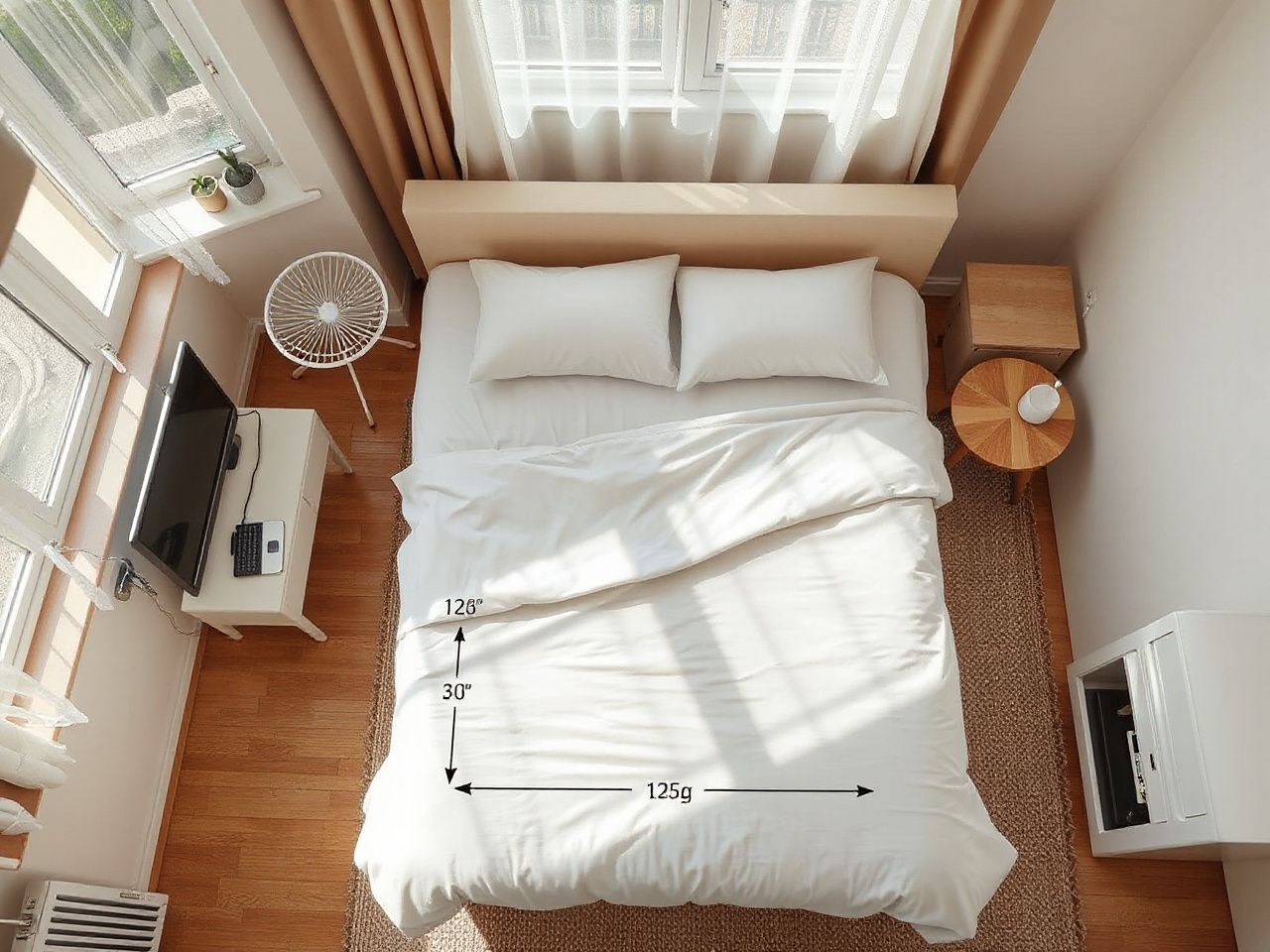
Remove loose bedding and measure from the edge of the mattress to the opposite edge for length and width. Keep the tape on the sleeping surface rather than following the frame. Record the result in the unit used by the sheet listing, or convert it carefully without assuming that a name such as Queen means the same thing in every country.
The familiar reference dimensions in this bedding system are:
- Twin: 38 inches by 75 inches.
- Twin XL: 38 inches by 80 inches.
- Full or Double: 54 inches by 75 inches.
- Queen: 60 inches by 80 inches.
- King: 76 inches by 80 inches.
- California King: 72 inches by 84 inches.
A Twin XL is longer than a Twin, while a California King is longer and narrower than a King in these dimensions. Those differences affect both the sheet’s length and the position of the fitted corners.
A mattress sleeping surface must be measured independently from the bed frame because the frame’s outer dimensions do not determine sheet fit. That sentence is worth keeping beside the tape measure.
Step 2: Confirm the bed-size name
Bed-size names are not universal. Dimensions can vary by country, manufacturer, and bedding system, so a label that says Double, King, or Queen should be treated as a starting point rather than proof of a precise fit.
Check the manufacturer’s dimensions against your measurement. If a listing gives dimensions in centimetres and your mattress is measured in inches, compare the actual length and width rather than matching the name alone. The Bed Sheet Dimensions Chart: Straight Answers for Every Size can help organize those size labels before you measure the depth.
Step 3: Measure mattress height
Fitted-sheet depth is a separate decision from length and width. Measure from the bottom edge of the mattress to the top sleeping surface. Include any mattress protector or topper that will remain on the bed under the sheet.
A fitted sheet needs enough pocket depth to cover the mattress and the added layers without forcing the elastic away from the corners. The pocket categories supplied for these dimensions are:
- Standard pocket: for mattresses from 8 to 12 inches high.
- Deep pocket: for mattresses from 13 to 16 inches high.
- Extra deep pocket: for mattresses from 17 to 22 inches high.
These ranges are useful only after the full stack has been measured. A mattress in the standard range can need a deeper pocket once a protector or topper is added.
Fitted Sheets, Flat Sheets, and the Measurements That Matter
How a fitted sheet differs from a flat sheet
A fitted sheet has shaped corners and elastic that hold the fabric around the mattress. Its important measurements are mattress length, mattress width, and pocket depth. The corner construction must reach around the mattress rather than merely touch the top surface.
A flat sheet is a rectangular layer without fitted corners. It needs enough width and length to cover the sleeping surface and provide the intended tuck or overhang. A flat sheet should not be selected solely by matching the mattress surface dimensions because the edges need fabric beyond the top.
A fitted sheet needs pocket depth for the mattress height, while a flat sheet needs additional fabric for its intended tuck and overhang. Confusing these jobs creates apparent sizing problems even when the nominal bed label is correct.
Why a correctly labeled sheet can feel too small
The label may describe the standard mattress size but omit the practical details that affect use. A thick mattress, a protector, or a topper can consume the pocket depth. A fitted sheet may also have corner elastic that has lost tension or a shape that does not suit the mattress’s corners.
Length and width can create separate problems. A sheet may cover the top but leave too little material to hold under the mattress. A flat sheet may cover the center but fail to provide the overhang expected at the sides. The label has not necessarily been wrong; the chosen sheet dimension may simply describe a different bedding system or a thinner mattress.
How corner problems appear
Look at the corners rather than judging the sheet from the center. A corner that rises during the night, elastic that sits on the top edge instead of beneath it, or exposed mattress near the foot indicates a fit problem. The cause may be insufficient pocket depth, a mismatch in length or width, added bedding layers, or weakened elastic.
Corner construction matters because a fitted sheet is held in place by the relationship between the pocket, the fabric tension, and the mattress edges. Pulling harder on an unsuitable sheet does not change its dimensions.

How Mattress Layers Change Sheet Fit
Mattress protectors
A mattress protector sits between the mattress and sheet, so its thickness becomes part of the height that the fitted sheet must cover. Even a layer that seems visually slight can alter where the elastic rests. Measure the protector in place rather than trying to estimate its effect from the package description.
A protector can also change the surface feel and the way the sheet slides during fitting. The practical check is simple: after the fitted sheet is installed, inspect every corner and the edge around the mattress. The sheet should remain anchored without exposing the protector.
Mattress toppers
A topper adds height above the mattress and may change the shape of the corners. The fitted sheet therefore needs enough depth for the combined mattress-and-topper stack. If the sheet covers the mattress but cannot reach under the topper’s lower edge, the pocket is too shallow for the setup.
A mattress topper changes the fitted-sheet depth requirement because the sheet must cover the topper as well as the mattress. Rechecking the height after a topper is installed prevents a sheet from being judged against the wrong surface.
Split arrangements and nonstandard beds
A split king sheet set is designed around separate mattress sections rather than one uninterrupted sleeping surface. Measure each section and check how the bedding system describes the split before using a standard King label as a substitute.
Irregular mattresses, unusual frames, and custom sizes require the same process: measure the sleeping surface, measure the complete height, and decide how much fabric a flat sheet needs for its tuck. Do not use the frame’s outer size as a replacement for those measurements.
Preventive Fit Checks Before Washing and Replacing Sheets
Check the sheet before putting it on the bed
Read the sewn-in label and packaging for the stated mattress size, dimensions, pocket depth, and care directions. The manufacturer’s listed dimensions are more useful than a broad phrase such as standard Queen. If the listing gives only a bed-size name and no usable dimensions, compare it cautiously with your own measurements.
Lay the fitted sheet flat and identify the lengthwise and crosswise direction. Fit one corner at a time, keeping the sheet’s orientation aligned with the mattress. If the final corner cannot reach without excessive pulling, stop and reassess the depth or size rather than forcing the elastic.
For a flat sheet, place the fabric evenly across the mattress and check whether the planned overhang is possible on both sides. A flat sheet can be used when a fitted sheet does not fit, but it will need a deliberate tuck and may not stay in place in the same way as a fitted design.
Account for laundering and shrinkage
Fabric shrinkage can reduce the usable length and width after laundering. Follow the care directions supplied with the sheet and compare the post-wash fit with the original mattress measurements. A sheet that begins with almost no spare fabric may become difficult to tuck if its dimensions change.
Washing also affects how the sheet sits on the bed through changes in fabric feel and corner tension. Do not assume that a fresh sheet will behave exactly like a sheet that has been laundered. The practical sign is visible: corners should remain covered, and the sheet should not ride toward the center of the mattress.
Fabric shrinkage can reduce a sheet’s usable dimensions, so a close initial fit leaves less room for future tucking. This matters for household cost because repeated replacement follows from poor fit as well as from ordinary wear.
Fit, care, and long-term household cost
Correct sizing helps prevent sheets from slipping, bunching, and needing premature replacement, although no sheet lasts forever. A fitted sheet that repeatedly comes off may tempt a household to replace it when the real issue is pocket depth, mattress layering, corner design, or regional sizing.
Washing instructions also matter for replacement decisions. Keep the care label with the sheet’s measurements and note whether the sheet is being used over a protector or topper. That record makes it easier to replace a worn sheet with a compatible size rather than relying on memory.
The same measured approach applies to duvet cover sizes and pillowcase sizes, but those items should not be assumed to match fitted-sheet dimensions. Each bedding piece has a different job and a different usable area.
Fabric and certification language
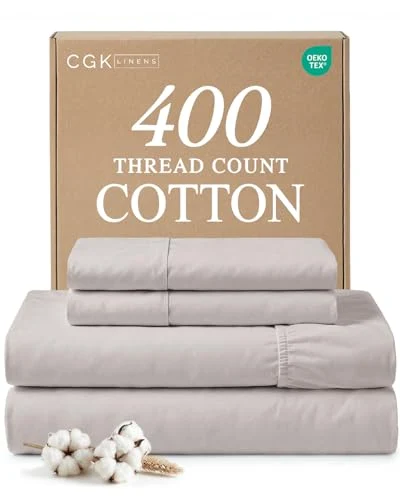
Fabric choice can affect care, hand feel, and the way a sheet behaves after laundering. For claims about harmful substances being absent from OEKO-TEX Certified fabrics according to testing, consult the OEKO-TEX organization and verify the certification information supplied for the specific fabric.
Certification language should be checked on the actual item or its documentation rather than treated as a general promise about every sheet carrying a similar material description. The certification body and the stated certification are separate from the mattress dimensions.
Regional Names, Practical Examples, and Final Measuring Routine
Why the same name may describe different dimensions
A Queen label can refer to different dimensions in different markets or bedding systems. The same issue can arise with King, Double, and other names. Manufacturers may also design sheets with different allowances for pocket depth, corner shape, or flat-sheet overhang.
For that reason, a search for Queen bed sheet sizes and dimensions should end with the manufacturer’s actual measurements. A search for King size sheet dimensions in centimetres should be handled the same way. The unit changes, but the need to compare length, width, and usable depth does not.
Regional bed-size names cannot replace the manufacturer’s listed dimensions because one label may describe different bedding systems. This is especially important when sheets and mattresses come from different countries.
Three practical measuring examples
- Twin versus Twin XL: Both are 38 inches wide in the stated system, but Twin is 75 inches long and Twin XL is 80 inches long. The extra length changes where the fitted foot corner must land.
- Queen with added layers: A Queen mattress measures 60 inches by 80 inches, but the fitted-sheet pocket must also cover the complete height of the mattress, protector, and topper.
- King versus California King: A King measures 76 inches by 80 inches, while a California King measures 72 inches by 84 inches. Swapping the labels can leave the sheet too wide in one direction and too short in the other.
These examples show why a room’s visual balance begins with an exact mattress measurement. A sheet that is too short exposes the mattress, while one that is poorly oriented can pull the corners out of alignment and make the bed look untidy.
The final checklist
- Measure the mattress sleeping surface, not the bed frame.
- Write down the length and width separately.
- Measure the mattress height from bottom edge to sleeping surface.
- Add the height of any protector or topper used under the sheet.
- Match the total height to the stated pocket category.
- Check the manufacturer’s dimensions instead of relying only on the bed-size name.
- Allow a flat sheet enough width and length for the intended tuck and overhang.
- Read care directions and allow for possible fabric shrinkage.
- Inspect all fitted corners after installation and after laundering.
The guide to sheet sizes for different beds is useful for reviewing the naming differences, but your own mattress measurements remain the final check. A well-fitted sheet supports the room’s visual order because the bedding stays where the bed design expects it to stay.
Frequently Asked Questions
How do I measure my mattress for the right sheet size?
Measure the sleeping surface from edge to edge for length and width, keeping the tape on the mattress rather than the frame. Then measure the full height from the lower edge to the top surface. Repeat the height measurement with the protector and topper in place, since those layers add to the pocket depth a fitted sheet must cover.
Why does my fitted sheet keep coming off the mattress corners?
A fitted sheet can come off because its pocket is too shallow, its length or width does not match the mattress, or added layers have increased the total height. Worn corner elastic and unusual corner construction can also affect the hold. Check each corner after fitting, then compare the complete bed height with the sheet’s stated pocket category.
Can a flat sheet be used when a fitted sheet does not fit?
Yes. A flat sheet can cover the mattress when a fitted sheet is unsuitable, but it needs enough length and width for the intended tuck and overhang. It will not use elasticized corners to stay anchored. Measure the mattress surface and plan the tuck around all sides rather than selecting a flat sheet from the fitted-sheet pocket depth.
Can sheets from another country use different dimensions for the same bed-size name?
Yes. Bed-size names can vary by country, manufacturer, and bedding system. Compare the listed length and width with your mattress measurements, then check pocket depth for a fitted sheet. Do not assume that a Queen, King, or Double label has one universal meaning. The actual dimensions provide the reliable comparison.