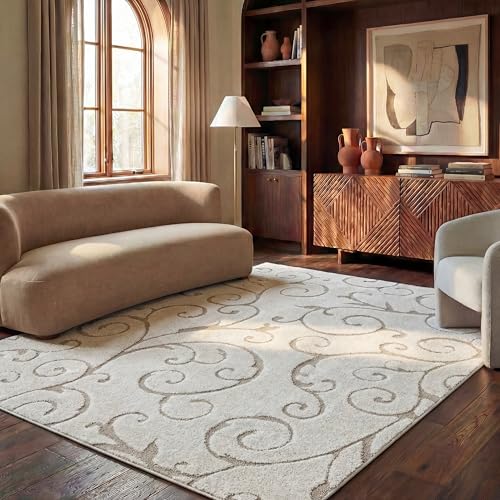

Could a chair look perfect in a photograph and still be wrong for the room? The useful distinction is between an accent chair that merely introduces visual contrast and one that also performs a clear seating role within the room. A sound evaluation connects scale, posture, circulation, upholstery behavior, and hidden construction instead of judging the chair by appearance or softness alone. This accent chair buying guide starts with those practical checks, with special attention to the hardware and joints hidden beneath a flat-pack finish.
Key Takeaways
- Check scale, door clearance, circulation, and nearby drawers before judging a chair’s style.
- Seat height, depth, back angle, arms, suspension, and cushion support determine how the chair will actually be used.
- Judge upholstery by its care requirements and inspect flat-pack hardware, joints, and leg attachment before trusting the finish.
Beginner: Start with the Room, Not the Chair
Step 1: Define the chair’s seating role
An accent chair can support reading, conversation, occasional guests, or relaxed sitting, and those roles do not demand the same shape. A reading chair needs a posture that lets the sitter remain supported for a while; a conversation chair usually needs a more upright back and an easy way to sit down and stand up; a decorative chair may be used only briefly.
A chair intended for everyday use needs more scrutiny than one placed mainly to fill a visual gap. Look closely at the seat cushion, back support, armrest position, and the way the chair meets the floor. Softness alone says little about how the chair will support a person during ordinary use.
A chair’s intended role should determine its posture, construction checks, and upholstery requirements. Writing that role down before shopping prevents a striking shape from taking priority over useful seating.
Step 2: Read the room’s scale and circulation
Begin with the open paths around the proposed position. An accent chair should not narrow a route through the living room, block a doorway, prevent a drawer or cabinet door from opening, or force a person to turn sideways to pass. Look at the chair beside the sofa rather than judging its size in isolation.
Interior design scale and proportion depend on relationships. A broad sofa can make a delicate chair look lost, while a large chair can visually crowd a compact sofa. The right relationship also depends on the height of nearby seating, the visual weight of the arms, and the amount of exposed floor beneath tapered legs.
- Mark the chair’s footprint on the floor with removable tape.
- Walk the main circulation path without stepping inside that outline.
- Open nearby drawers, cabinet doors, and room doors fully.
- Check the route from the entrance to the chair before bringing a package home.
- View the taped outline from the sofa and from the room entrance.
A taped floor outline reveals whether an accent chair crowds circulation before delivery makes the decision harder to reverse. This simple check also helps with small living room seating, where a few inches of visual and physical space can change the room’s balance.
Step 3: Check entry and assembly conditions
Room fit is only part of the problem. A chair can fit its final position and still fail at the building entrance, stair turn, hallway, or doorway. Read the listed package and assembled dimensions, then compare them with the narrowest part of the route. If the chair arrives flat-packed, identify which parts are assembled at home and which pieces must pass through the route together.
Flat-pack furniture deserves a hardware-first inspection. Look for clearly identified fasteners, threaded inserts that sit straight, washers where the instructions show them, and legs that attach without forcing the frame out of alignment. A smooth finish cannot compensate for a loose joint or a screw that never seats correctly.
Keep the instructions until the chair is assembled and checked. Photographing the hardware layout before starting can make missing or confusing pieces easier to identify without guessing.

Intermediate: Match Posture, Comfort, and Use
Step 4: Assess seat height, depth, and back angle
Seat height affects access. A chair that feels too low can make standing harder, while a chair that sits high relative to the sofa may feel disconnected from the conversation area. Seat depth changes the relationship between the sitter and the backrest: a deep seat may suit relaxed lounging, while a shallower seat can support a more upright position.
Back angle shapes the chair’s purpose. A more upright back can keep a person oriented toward another seat, while a more reclined angle may suit reading or relaxed sitting. The armrest also matters. Arms that are too high, too wide, or placed too far forward can interfere with natural posture and make entry less comfortable.
Use the chair’s stated measurements, but also inspect the shape in person when possible. Sit with feet placed naturally, rest the back against the support, and notice whether the arms meet the elbows without lifting the shoulders. The visible cushion should not be the only focus; the frame and suspension beneath it influence how the sitting position feels.
Seat height, seat depth, back angle, and arm placement work together to determine whether a chair supports reading, conversation, or relaxation. A chair that performs one role well may feel awkward in another setting.
Step 5: Understand the frame and suspension
The internal frame carries the chair’s basic shape. A solid wood frame may provide a substantial structural base, while plywood frame components can be used in parts of the construction where shaped panels or layered sections are needed. The important question is not the label alone. Inspect how the parts meet, how the legs connect, and whether the assembled frame shifts under ordinary hand pressure.
Suspension supports the cushion above the frame. Sinuous springs and elastic webbing are different construction approaches, and either one needs a sound connection to the surrounding frame. Ask whether the seating surface feels evenly supported from front to back. A cushion that feels soft at the front and unsupported near the back deserves closer inspection.
Hidden construction can be assessed without opening the upholstery. Lift the seat cushion if it is removable, look for clean attachment points, press gently across the seat, and listen for creaking or shifting. Turn the chair over only if the design and instructions allow it, then inspect the underside fabric and leg hardware rather than cutting into anything.
A chair’s frame joints, suspension, cushion support, and leg attachment influence stability and resistance to early sagging. The outer fabric cannot show every weakness inside the chair, so physical checks matter.
Step 6: Evaluate cushion support and foam
High-resilience foam may be used in a seat cushion, but the material name does not answer every comfort question. Cushion shape, thickness, suspension beneath the cushion, and the relationship between the cushion and back all affect the result. A very soft first impression can change once the sitter settles into the frame.
Check whether the cushion stays centered when pressure is applied near an edge. Look at the seam alignment, the zipper or closure if one is present, and whether the cover can be removed according to the maker’s instructions. A removable cover can make care more manageable, but it is useful only if the approved cleaning method suits the fabric and the cover can be replaced without distortion.
For a chair used daily, inspect the seat from several angles. Uneven edges, a cushion that shifts easily, or a visible gap between cushion and frame may signal a poor fit or a support problem. These signs do not prove how long the chair will last, but they tell you where to ask a precise construction question.

Intermediate: Compare Upholstery and Ongoing Care
Step 7: Compare fabric, leather, and surface behavior
Upholstery fabric offers a wide range of textures, patterns, and finishes, but each surface needs care suited to its construction. Loose-woven fabric can catch or distort more readily than a tightly finished surface when exposed to abrasion. Household cleaners can also affect color, texture, or protective finishes, so a familiar cleaning product should never be assumed safe.
Top-grain leather has a different feel and maintenance routine from fabric. Leather, loose-woven fabric, delicate finishes, and exposed wood can react differently to sunlight, abrasion, spills, pets, and household cleaners. The chair’s care label and manufacturer instructions should settle the cleaning method rather than a general household rule.
Ask these questions before choosing an upholstery material:
- Is the care code printed on the chair, label, or instructions?
- Is the seat cover removable, and does the maker approve removal?
- Does the finish show marks easily under normal handling?
- Will the chair sit in direct sunlight or beside a frequently used walkway?
- Are pets, food, drinks, or rough clothing part of the chair’s daily environment?
Upholstery maintenance depends on the material, finish, removable-cover design, and approved cleaning method. That makes care information part of the buying decision, not an afterthought.
Step 8: Plan routine maintenance honestly
Routine care should follow the material rather than a universal schedule. Use the method stated by the manufacturer, remove surface debris with the approved tool, and address spills with the recommended process. Rubbing aggressively can spread a mark or disturb a delicate surface, while an unapproved cleaner can change the finish.
Inspect the chair during ordinary cleaning. Check for loose seams, movement at the legs, cushion drift, and changes in the way the chair sits on the floor. A small hardware issue is easier to address before repeated use puts more strain on the joint.
Ongoing cost comes from more than the initial purchase. Replacement covers, professional upholstery cleaning, new cushion inserts, hardware, or a repaired frame may become relevant depending on the material and construction. No honest guide can give a universal replacement cost without a specific chair, fabric, repair method, and local service price.
For readers comparing seating for work and living spaces, the construction questions in this Office Chair Buying Guide: What Nobody Tells You First offer a useful reminder to separate surface appearance from support and adjustment needs.
Advanced: Judge Construction, Coordination, and Safety Information
Step 9: Coordinate the chair with the sofa without making a set
Sofa and chair coordination does not require identical upholstery. Shared visual cues can come from leg finish, one color repeated in a cushion or artwork, a related fabric weight, or a similar level of formality. Matching every detail can make the room feel staged, while ignoring scale can make the chair appear unrelated.
Compare the chair’s arm height with the sofa’s profile. Notice whether the seat heights feel compatible and whether the chair’s back overwhelms the sofa from the main viewing angle. A contrasting color can work when the shape still belongs to the room’s overall language.
Green upholstery, leather, patterned fabric, and exposed wood each make a different visual statement. Consider the surrounding floor, wall color, lighting, and existing textiles before treating a bold surface as a solution by itself.
A coordinated living room connects chair scale, seat height, leg finish, and visual weight rather than relying on identical upholstery. This approach leaves room for contrast while keeping the furniture layout coherent.
Step 10: Read available safety and test information carefully
Manufacturers may provide information about stability, strength, durability, or ignitability, but those terms should be read precisely. Testing for one condition does not prove performance in every room or use. If a chair is intended for a commercial or non-domestic setting, ask for the documentation relevant to that use instead of assuming a household statement covers it.
ISO 7174 outlines stability characteristics for tilting and rocking chairs, while EN 1728:2014 describes testing methods for the durability and strength of seating items; the International Organization for Standardization and European Committee for Standardization are the bodies to consult for the scope of those standards.
Fire-related claims also need careful wording. ASTM E1822-02b establishes fire behavior testing for chairs in a stacked configuration, and BS 5852: 2006 contains procedures for evaluating the ignitability of upholstered seating. The ASTM International website and the British Standards Institution provide the appropriate standards context.
Non-domestic upholstered furniture has ignition-resistance requirements defined by BS 7176. A domestic buyer should not treat a commercial compliance statement as a complete substitute for reading the chair’s own care, use, and safety information.
Step 11: Inspect flat-pack hardware before the finish
Flat-pack furniture often hides its most important information beneath the upholstery. Examine the connection between legs and frame, confirm that fasteners match the instructions, and check that the frame sits evenly after assembly. A chair that rocks on a hard floor may need an assembly correction, a correctly fitted foot, or manufacturer support; do not conceal the problem with a loose pad and continue using it.
Look for stripped screw heads, cross-threaded inserts, missing washers, gaps at joints, and hardware that turns without tightening. These are observable signs. They do not require a laboratory test, and they deserve attention before the chair carries regular use.
Hardware also affects future care. If a leg can be reached for inspection and a fastener can be tightened without damaging the upholstery, maintenance is simpler. If the construction hides every connection, keep the assembly documentation and contact the maker when a joint moves instead of improvising a repair.
Loose fasteners, uneven leg contact, visible joint gaps, and shifting inserts are warning signs that a flat-pack chair needs correction before use. A polished finish should never be the final word on build quality.
Step 12: Make the final room test
Before committing, return to the complete setting. Place the taped footprint beside the sofa, open the nearby doors, walk the route, and check the chair from the primary sitting position. Then review the material care instructions and assembly details together.
- Does the chair serve the intended seating role?
- Does the seat posture suit reading, conversation, or relaxing?
- Can people move around it without squeezing through?
- Can the chair reach its final position through every doorway and turn?
- Do the frame, suspension, cushion, and legs show coherent construction?
- Can the upholstery be maintained with the care method you are prepared to follow?
Only after those questions have clear answers should appearance settle the choice. The strongest accent chair is the one whose visual contrast supports the room instead of competing with its practical demands.
Frequently Asked Questions
How do I choose an accent chair that fits a small living room?
Start with a taped outline of the proposed footprint and preserve the room’s main circulation path. Check the opening of nearby drawers and doors, then compare the chair’s visual weight with the sofa. A chair with open space beneath tapered legs may read more lightly, but the actual assembled dimensions and entry route still control the decision.
How can I tell whether a chair is for occasional sitting or everyday use?
Look for information about intended use, then inspect the seat cushion, suspension, frame joints, and leg attachment. Everyday seating deserves particular attention to posture, cushion stability, and hardware access. A decorative silhouette or very soft cushion does not establish durability. The manufacturer should be able to clarify use conditions when the product description is vague.
How do frame, springs, webbing, foam, and the cushion work together?
The frame provides the structural shape, while sinuous springs or elastic webbing support the seat above that frame. High-resilience foam forms part of the cushion, and the cushion transfers sitting pressure into the suspension and frame. Poor alignment in any connection can affect movement, comfort, or sagging, so inspect the system rather than judging foam softness alone.
How should I compare fabric with top-grain leather?
Compare the care instructions, finish, exposure to sunlight, expected abrasion, and likelihood of spills before comparing appearance. Top-grain leather and upholstery fabric respond differently to household cleaners and daily contact. A removable cover can help only when the manufacturer approves its cleaning method. Choose the surface whose maintenance requirements match the room’s actual use.
What should I inspect on a flat-pack accent chair?
Check that the fasteners match the instructions, threaded inserts sit straight, washers are used where specified, and legs meet the frame without movement. Look for stripped heads, joint gaps, shifting hardware, or a chair that rocks after assembly. Hardware quality and correct assembly matter more than a flawless finish because hidden movement can worsen with use.