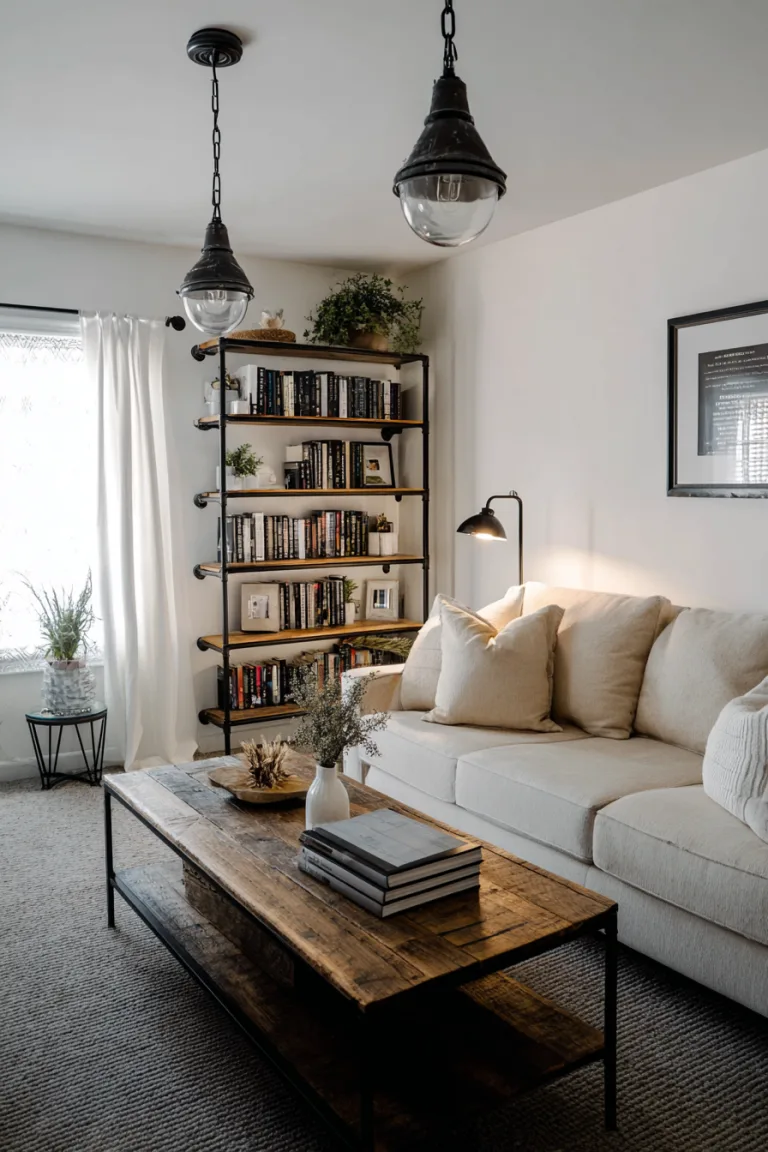
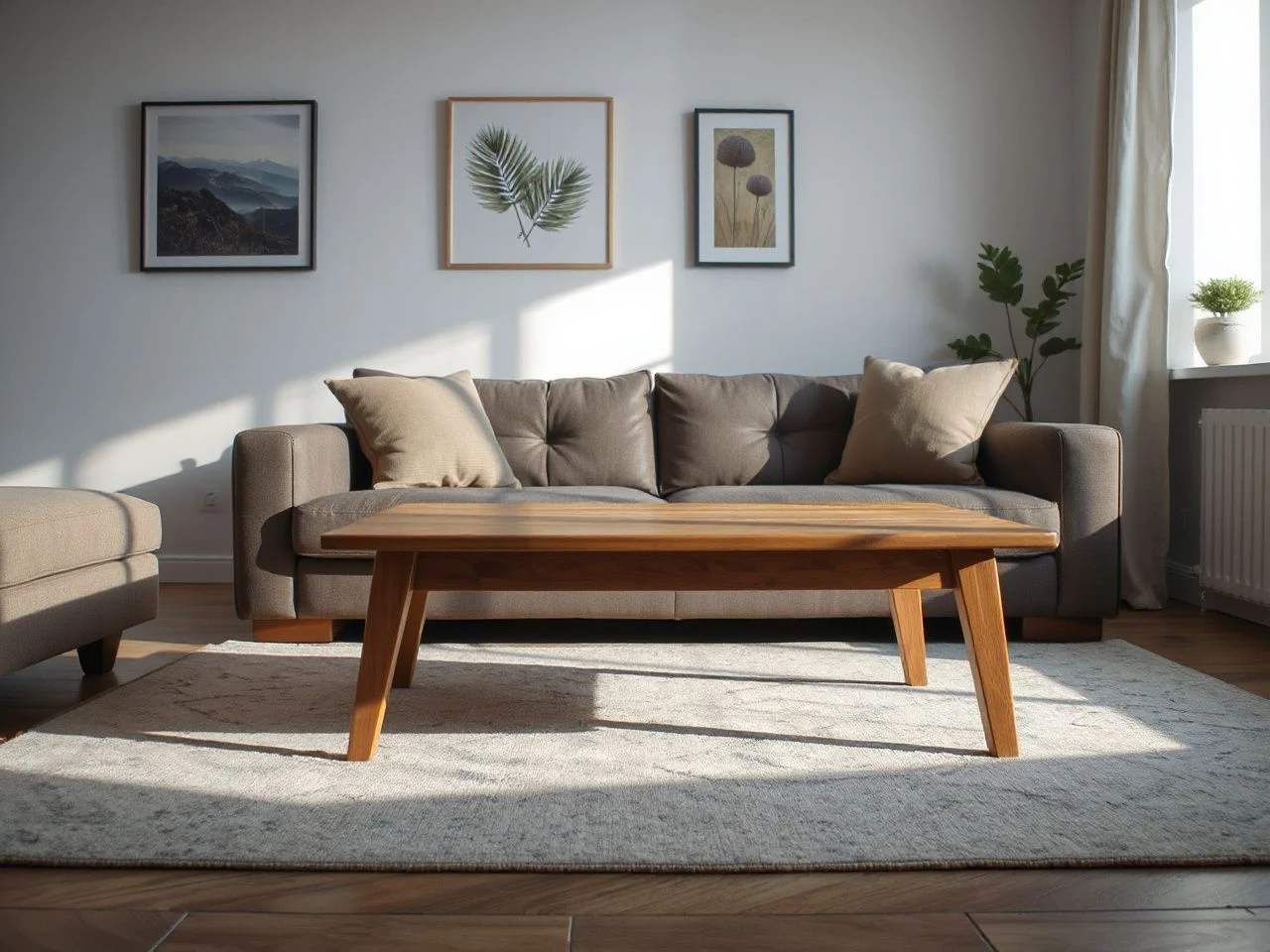
A coffee table can look perfectly proportioned but still work poorly. The tabletop might block the view across the room, drinks could sit too low to reach from a deep sofa, or knees might hit the edge when someone leans forward. Measure the height from the tabletop to the seating surface, considering thick cushions, deep upholstery, rugs, casters, and lift-top hardware that can all affect how the table feels in practice. Compare the tabletop with the actual seating surface, check reach and knee clearance from real sitting positions, and treat circulation and stability as part of height selection, not just style details. That’s the practical meaning of coffee table height.
Key Takeaways
- Compare the tabletop with the actual sofa or chair seat, not with a generic furniture size.
- A common range is 16 to 20 inches, but the right choice may be lower or higher.
- Check reach, knee room, sightlines, rugs, casters, lift-top hardware, and walking paths together.
- Measure the room in use before choosing; correcting an unsuitable table later can involve more than replacing the table.
How to judge coffee table height against your seating
The main reference point is the sofa seat cushion or chair seat that people use most often. Seating height varies among furniture styles. A thick cushion can compress under a person, while a firm cushion doesn’t change much. Measure the surface where someone sits, then compare that height with the tabletop, instead of relying on labels like ‘standard’, ‘low’, or ‘dining height’.
A tabletop that sits close to the sofa seat is usually easier to reach without leaning forward too much. It doesn’t need to be exactly level with the cushion. A good rule of thumb is to subtract 1 to 2 inches (25.4–50.8 mm) from the sofa seat height, then verify that measurement from the actual seating positions in the room.
Step 1: Measure the sofa seat
Place a measuring tape on the floor beside the sofa and measure vertically to the top of the seat cushion. Don’t measure to the top of the back cushion, arm, or decorative throw. If the seat cushion is loose, measure where a seated person’s hips would normally be, not at an empty raised edge.
Repeat the check on any chair that will be used often. A low lounge chair and a higher upright sofa can make one shared tabletop feel comfortable from one position and awkward from another. A coffee table should be judged against the actual sofa or chair seat because seating height varies substantially between furniture styles.
Step 2: Compare the tabletop, not only the table frame
Measure from the floor to the upper surface of the tabletop. The table legs, apron, shelf, and pedestal base do not determine the usable surface height by themselves. A thick top can make a table feel taller than its legs suggest, while a thin top may leave more visual space below.
In general, standard coffee tables are often described as 16–18 inches (406–457 mm) high. Low-profile tables might be 12–14 inches (305–356 mm), and high coffee tables can be 20 inches or more (508+ mm). These ranges help guide choices, but the sofa seat height is usually a more useful reference.
Step 3: Test the reach from the seat
Sit in the sofa or chair and position your feet as they normally rest. Reach for the center and nearest edge of the proposed tabletop without lifting your pelvis from the cushion. Check where drinks, books, and remote controls will land. A table that looks balanced from across the room can still be inconvenient if the usable surface is too far away or sits too low.
Deep upholstery changes this test. The farther the body sinks or reclines, the more a low surface can push the shoulders forward. A shallow, upright seat may handle a lower tabletop more comfortably. The right choice depends on the seated posture, not just a table measurement.
For a wider room-planning check, the Coffee Table Buying Guide: The Basics, Clearly Sorted can complement these measurements. But height should match the furniture already in the room.
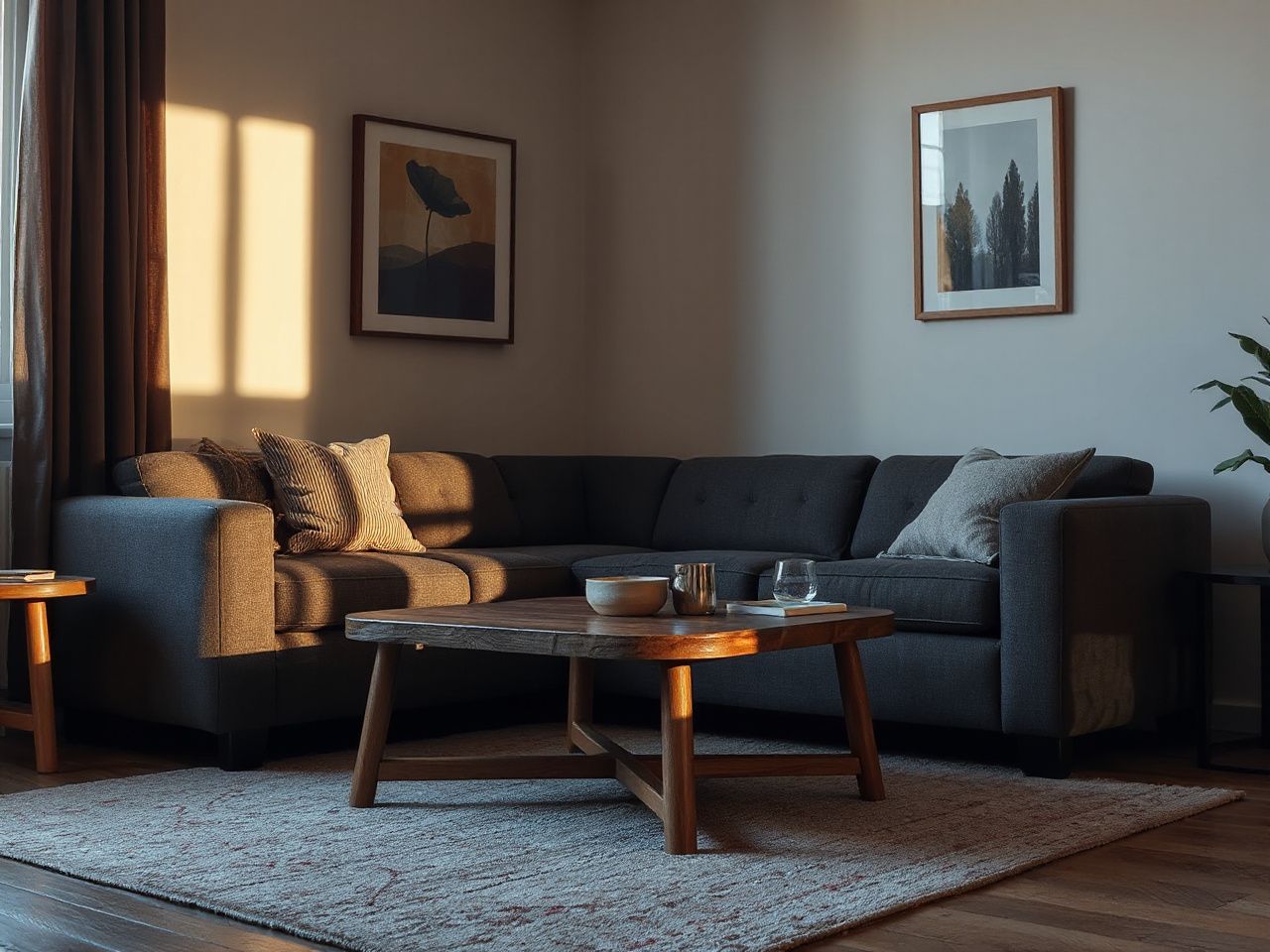
Causes of an unsuitable table height
The wrong result often comes from treating a coffee table as fixed rather than part of a seated system. Cushions, rugs, bases, and hardware all change how a person’s hands, knees, and eyes relate to the tabletop.
When the table is too high
A tabletop that’s above the comfortable level of the seating can block sightlines across the room. Conversation feels less open when the surface intrudes into the visual space, especially from low chairs or a low sofa.
Height also influences reach. A high edge can force someone to lift their shoulder or bend their wrist awkwardly to set down a mug or pick up a book. Leg comfort can suffer because a tall table leaves less room for knees to move forward from a low seat.
A high table can make a room look more crowded even if its length and width are modest. The problem is vertical mass. A sizable tabletop above the cushions draws attention away from the open space that helps the living room feel relaxed.
When the table is too low
A low tabletop can suit low-profile seating, but it might mean more bending from an upright sofa. Deep or soft seating makes this clearer because the body sits farther from the table, so hands have to reach down and forward.
Books, drinks, and remote controls can be harder to grab from a low surface. It’s not just about inconvenience: repeated reaching from a compressed position can make the whole setup feel uncoordinated.
A table that’s too low might disappear visually beneath the sofa cushions. That can be intentional in a relaxed room, but the arrangement needs enough contrast in shape and placement. Otherwise, the tabletop can become a hard-to-see obstacle that’s difficult to use.
Rugs and uneven floors
An area rug can raise the table relative to the surrounding floor, especially where the table sits on a thick or layered surface. Measure the table in its actual position, with the rug underneath. Don’t measure on a bare floor and assume the relationship will stay the same.
Uneven floors can cause a different problem. A tabletop might look level from one side, but a leg or pedestal could be uneven. Stability matters because a height that feels right isn’t useful if the table rocks, shifts, or catches on the rug during normal use.
Lift-top mechanisms add another layer. A closed tabletop may align well with the sofa, but when raised, the work surface can move toward the seated person. This can change knee clearance or the reach to the edge. Check the mechanism through its full range of movement, using the positions people will occupy.
Casters and base styles
Casters can change practical height by raising the table body and allowing movement across the floor. A rolling table may drift into a walking path or away from the seat if someone leans on it. The height decision should consider both the tabletop elevation and the table’s ability to stay in place.
Legs create open space beneath the tabletop, while a pedestal base concentrates support elsewhere. Neither automatically makes a table more comfortable. Check where knees, feet, pets, and cleaning tools need to pass, then view the base from each seat instead of only from the front.
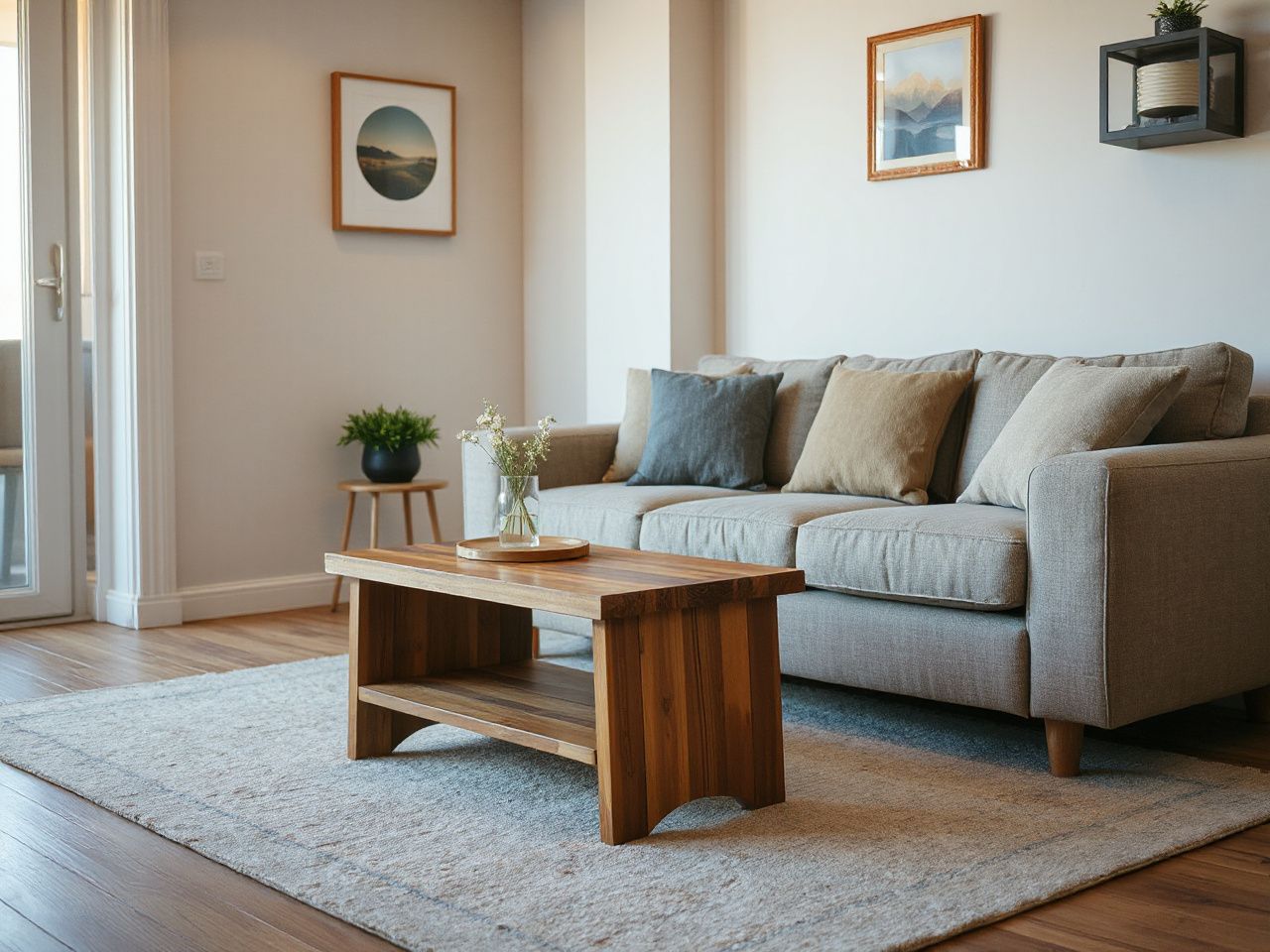
Solutions: choose a usable height in the real room
A practical selection process starts from the seated body outward. Begin with the sofa and chairs, then account for the tabletop, area rug, base, hardware, and circulation around the furniture.
Use a simple height range, then verify it
Begin with the sofa-seat measurement and subtract 1 to 2 inches (25.4–50.8 mm). This creates a working target rather than a final decision. Compare the target with typical ranges: 12–14 inches (305–356 mm) for low-profile tables, 16–18 inches (406–457 mm) for standard tables, and 20 inches or more (508+ mm) for high tables.
The table should sit close enough to the seating surface so reaching stays relaxed. A slightly lower tabletop can preserve sightlines and leg movement. Nearly level surfaces might help an upright sofa with frequent reading or drinks. The right choice depends on the cushion and posture.
Build a temporary height check
Use a stable temporary surface or mark the intended tabletop level with removable tape on a nearby vertical surface. This isn’t to imitate the table’s weight or base. It helps check the relationship between hands, knees, eyes, and seat before the final piece is placed.
Test each commonly used seat. Place a book, cup, and remote control at the locations they will occupy, then reach without shifting the whole body forward. Look across the tabletop toward the sofa and television or conversation area. A useful height should support ordinary actions without making the person brace against the sofa arm or move around the table edge.
Account for table length, width, and clearance
Height can’t fix a table that blocks movement. Check coffee table length and width separately. Then, verify the clearance between seating and the table on all sides. Leave room for walking paths, children, pets, and the movement of feet as people sit or stand.
Sharp corners need attention in routes used at night or by children. A low tabletop can sit closer to the line of a leg or shin. Tall edges may meet the forearm or hip. The safest setup keeps the table stable and visible, and outside the natural path through the room.
The U.S. Consumer Product Safety Commission publishes consumer safety information and recalls at cpsc.gov, so check its current guidance when a table has a tip-over concern, damaged hardware, or a recall notice. A furniture layout should not depend on a loose component or a base that shifts under ordinary contact.
Decide between a coffee table and an ottoman
An ottoman can suit a room where seating heights vary because its softer form may work as a footrest and a surface when paired with a tray. The tray creates a firmer place for drinks or books, while the ottoman can remain useful from seats that do not align perfectly.
That flexibility doesn’t mean you can skip measuring. A deep ottoman might extend farther toward the sofa. A tray can have a raised edge that changes reach. Compare the combined surface with the sofa seat, then check the walking path around the whole footprint.
For a focused discussion of that choice, see how a storage ottoman and coffee table serve different living-room needs. The useful question isn’t which object wins in general; it’s which surface supports the room’s seating, storage, and circulation without forcing awkward posture.
Preventive checks for comfort, cleaning, and stability
Once the tabletop height looks right, check the details that could cause problems later. A balanced look only works if people can use, move around, and keep the table without fighting the room.
Check knees and feet from every important seat
Place the feet where people usually do: on the floor, angled to one side, or resting toward the table. Look for contact between knees and the underside, especially if there’s a thick apron, shelf, or pedestal. Sometimes, a tabletop matches the sofa seat but the support blocks the knees.
Children and pets change how you inspect. A child might move beneath a projecting edge, and a pet could pass through the gap between legs. A pedestal can remove some obstacles in one spot but create a concentrated obstruction elsewhere. Keep pathways visible and avoid hard corners where people turn sharply.
Check sightlines and circulation
Sit at the lowest seat and look across the room. If the tabletop cuts across the view of another person, a television, or an important passage, reduce the height or reconsider the placement. A table should support the seating arrangement without becoming a visual wall.
Walk around the furniture from every side. Notice where a hip, foot, or cleaning tool might meet the table. A table with casters needs an extra check after light contact because movement can change the clear route even if the original placement was careful.
The American Society for Testing and Materials, known as ASTM International, develops voluntary consensus standards through technical committees; its main information is available at astm.org. That resource can help readers identify relevant standards information, but the table’s own instructions and hardware remain the first place to check for assembly and use requirements.
Check cleaning access
A low table can make it harder to reach dust and dropped objects under the top, especially if there’s a solid pedestal or low shelf. A table with open legs might let a cloth or vacuum head pass more easily, but the actual opening size depends on the base and floor covering.
Height also influences where hands touch. A raised or lift-top surface can be easier to reach from a standing position, but moving parts create edges and joints that need checking. Wipe spills quickly following the care instructions for the finish, and keep the mechanism free of objects that could block its movement.
Estimate the cost of correcting a poor choice
The cost of a height mistake isn’t just about the table. You might need a replacement, but other fixes could include changing the rug, rearranging seating, adding a tray to an ottoman, or accepting a layout that no longer supports the room’s main activities. The exact cost depends on the furniture and finishes already there, so no single figure can cover all situations.
Careful measuring is usually the easiest fix because it happens before the room is set with one object and circulation pattern. If the table’s already there, try testing a new position or a temporary raised or lowered surface first. Don’t modify legs, casters, or a lift-top mechanism unless the maker’s instructions say it’s okay.
Review finish and materials without confusing them with height
Wooden coffee tables have greater density than tables of glass or metal, which can affect how substantial they look and feel. Material differences don’t determine the correct height, but they can make a high or low form seem more dominant in the room.
Pick a finish by thinking about surfaces that will be touched and cleaned, then do the height test again. Finish, color, and material influence how it looks; usability depends on the sofa seat, reach, knee room, and circulation.
A table can last well only if its structure, finish, and moving parts remain suitable for the way the room uses it. Avoid treating a longer service life as a reason to ignore an uncomfortable height. A table that is difficult to reach or clean may be moved, replaced, or damaged before its materials have reached their potential.
What different coffee table forms change
Form matters because it changes where the body meets the table and how the eye reads the room. The tabletop height always starts with the seat, but each design needs a slightly different inspection.
Low-profile tables
Low-profile tables, often 12–14 inches (305–356 mm), help keep sightlines open with low seating. They require a careful reach check from deep sofas because the surface might sit below the comfortable hand position.
Standard-height tables
Standard coffee tables, usually 16–18 inches (406–457 mm), often sit near the cushion level in many layouts. But the label is only a starting point. A thick rug, high sofa, or compressed cushion can change the practical relationship.
Higher tables and lift-top designs
High coffee tables are often described as 20 inches or more (508+ mm). They suit higher seating or rooms where the surface needs to meet the hands without deep bending. Check the view from the shortest seat to see if they block it, especially if there’s low seating around.
Lift-top designs need two measurements: the closed tabletop and the raised working surface. The raised part can move closer to the seated person, reduce knee room, or change the table’s balance. Always use the mechanism on a level, stable base and follow the instructions for assembly and use.
Legs and pedestal bases
Table legs can leave open spaces while still creating four points that feet should avoid. A pedestal base might make it easier to move around, but it can also sit right where knees or a pet might pass through. When seated, look under the tabletop instead of just at the silhouette from standing.
The base design also impacts cleaning. A wide pedestal can make the table feel heavy and make it harder to reach the floor around it. Slim legs might collect objects in corners. The best way to test is to see if the room can be cleaned or crossed without moving the table every time.
After the functional checks are done, you can use this short coffee table styling guide to arrange books and decorative objects. It helps keep the surface clear enough for everyday use while still looking nice.
Frequently Asked Questions
What is the usual coffee table height for a sofa?
A typical height range is 16 to 20 inches. Standard tables are often 16–18 inches (406–457 mm). Use the sofa seat as a guide: subtract 1 to 2 inches (25.4–50.8 mm) from the cushion height, then test reach, sightlines, knees, and circulation. Low seating may work with a 12–14-inch table, while higher seats may need taller surfaces.
Should a coffee tabletop be level with the sofa seat?
The tabletop might sit close to the sofa seat, but exact level alignment isn’t necessary. A surface slightly below the cushion often keeps reaching comfortable and preserves the view across the room. Measure the actual seat, including the cushion you use, then subtract 1 to 2 inches as a starting point. Check from the deepest seat and the nearest chair to confirm.
Is an ottoman better than a coffee table when seating height varies?
An ottoman can be more forgiving with different seating heights because it may serve as a footrest and support a tray for drinks or books. It still needs a reach and clearance check. A deep ottoman might take up more of the walking path, and a tray can change the surface height. Compare the entire ottoman-and-tray setup with each main seat to see if it works.
How do rugs, casters, and lift-top mechanisms affect usable height?
An area rug can raise the table relative to the surrounding floor. Casters can lift the body and make the table move from where you want it. A lift-top mechanism can bring the raised surface closer to the user and reduce knee clearance. Measure and test the table in its finished spot, with the rug underneath and the mechanism both closed and open.