A sofa can look oddly unfinished when its pillows are chosen by color alone: covers may coordinate beautifully, yet the inserts sag, the seams strain, and the seating becomes crowded. A throw pillow has two separate jobs that are often confused: the cover contributes color, texture, and visual structure, while the insert determines loft, support, and how the pillow recovers after use. A useful guide therefore evaluates the cover, filling, construction, care requirements, and sofa context separately before considering the overall look. This throw pillow buying guide starts with the room’s light and layout, because I believe many rooms are fixed with lamps before the furniture is touched.
Key Takeaways
- Match the insert to the cover, sofa, and intended use rather than judging a pillow by its showroom fullness.
- Choose fabric, shape, and quantity with the room’s lighting, seating space, pets, and cleaning routine in mind.
- Read care labels and inspect closures, seams, and filling security before bringing pillows into daily use.
Beginner: Start with the room, sofa, and light
Read the sofa before choosing a pillow
A throw pillow should support the proportions of the sofa rather than compete with them. A deep sofa can carry a fuller arrangement, while a shallow seat needs pillows that do not consume the usable sitting area. Armchair proportions matter too: a cushion that feels balanced on a broad sofa can look oversized on a single chair.
Begin by identifying the seats that must remain comfortable. Pillow placement must leave enough usable seating and avoid blocking sofa movement, controls, or pathways. A living room works better when decorative pieces can be moved without turning every seat into a storage surface.
- Measure the available cushion area with a tape measure rather than guessing from a photograph.
- Note the shape of the sofa back, the height of its arms, and the depth of its seat.
- Mark the places where people lean, rest an arm, or need a clear route through the room.
- Keep the main sitting position accessible before adding pillows to the outer corners.
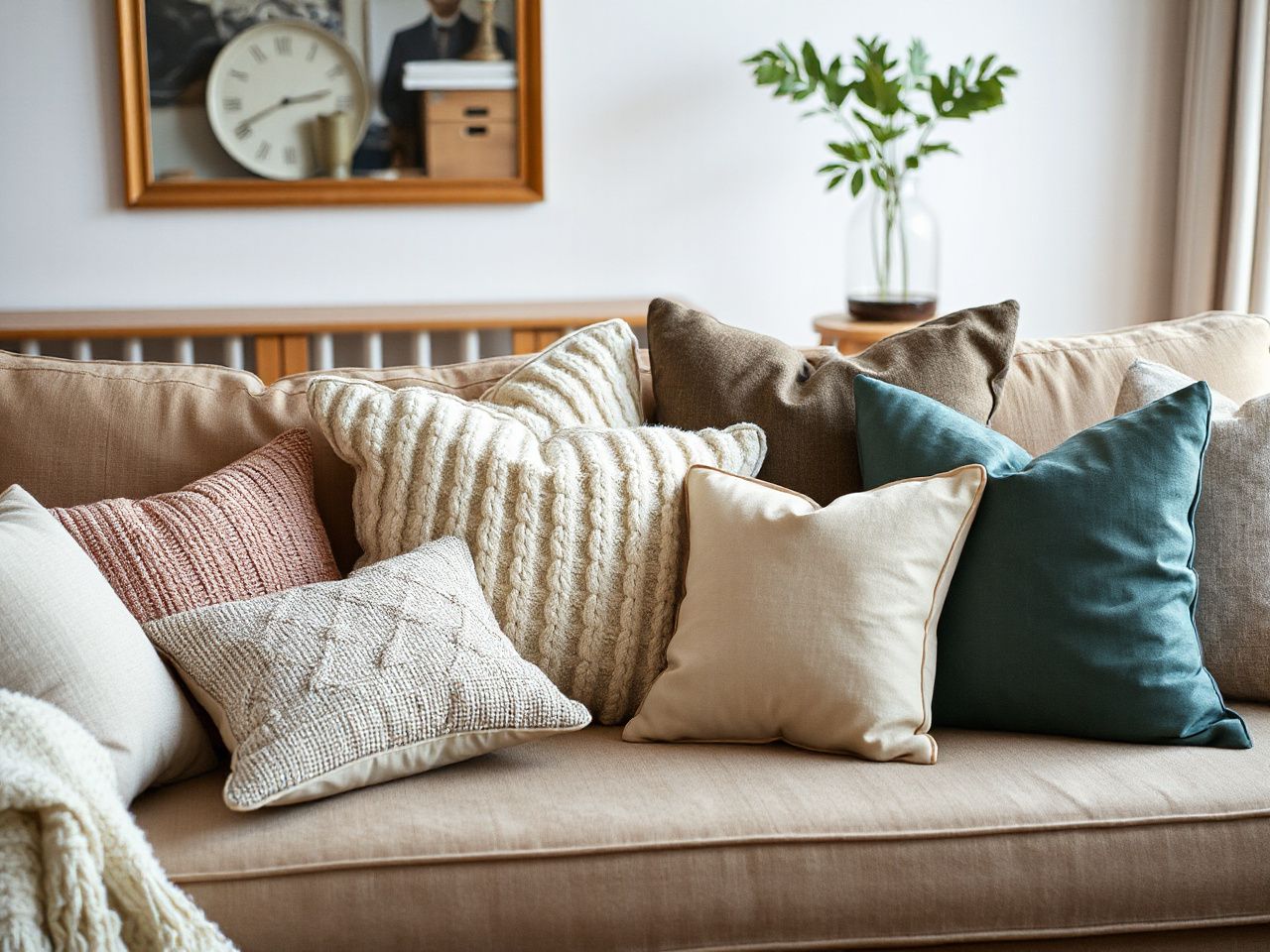
Large square pillows create a stable visual base, while lumbar or rectangular shapes can provide directional contrast. A round or unusual shape can act as a small accent, but a room usually benefits from a clear dominant shape before novelty enters the arrangement.
Let the lamps guide the palette
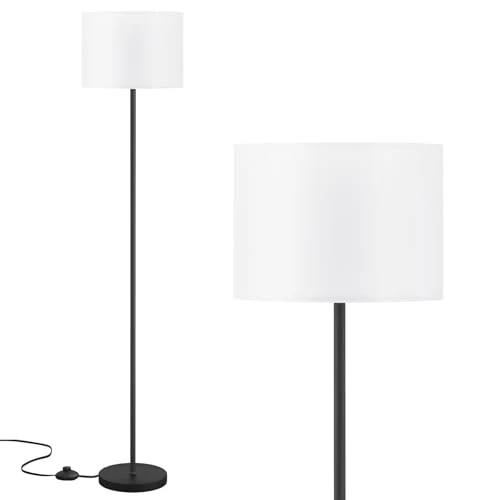
Color changes under warm, cool, dim, and directional light. A fabric that appears quiet near a window can read much stronger beneath a lamp, so view swatches in the room’s actual lighting at different times of day. This is why I would inspect the lamps and light sources before changing furniture: better light often reveals that the sofa itself is not the main problem.
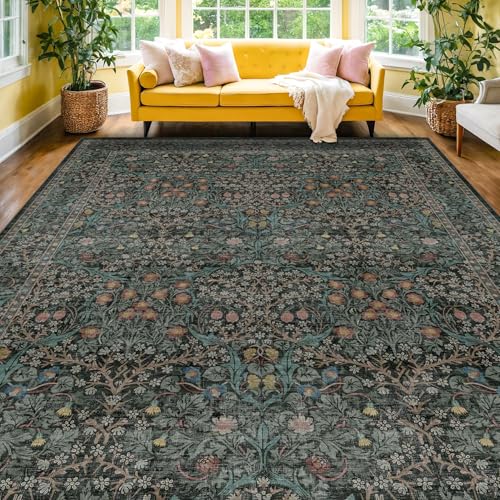
A living room color scheme does not require every pillow to match the sofa. Relate pillows to existing upholstery, curtains, rugs, wall color, lampshades, artwork, and blankets through one shared color family or repeated visual detail. Pattern scale should vary with intention; a large pattern can anchor the group, while a smaller pattern or plain cover gives the eye somewhere to rest.
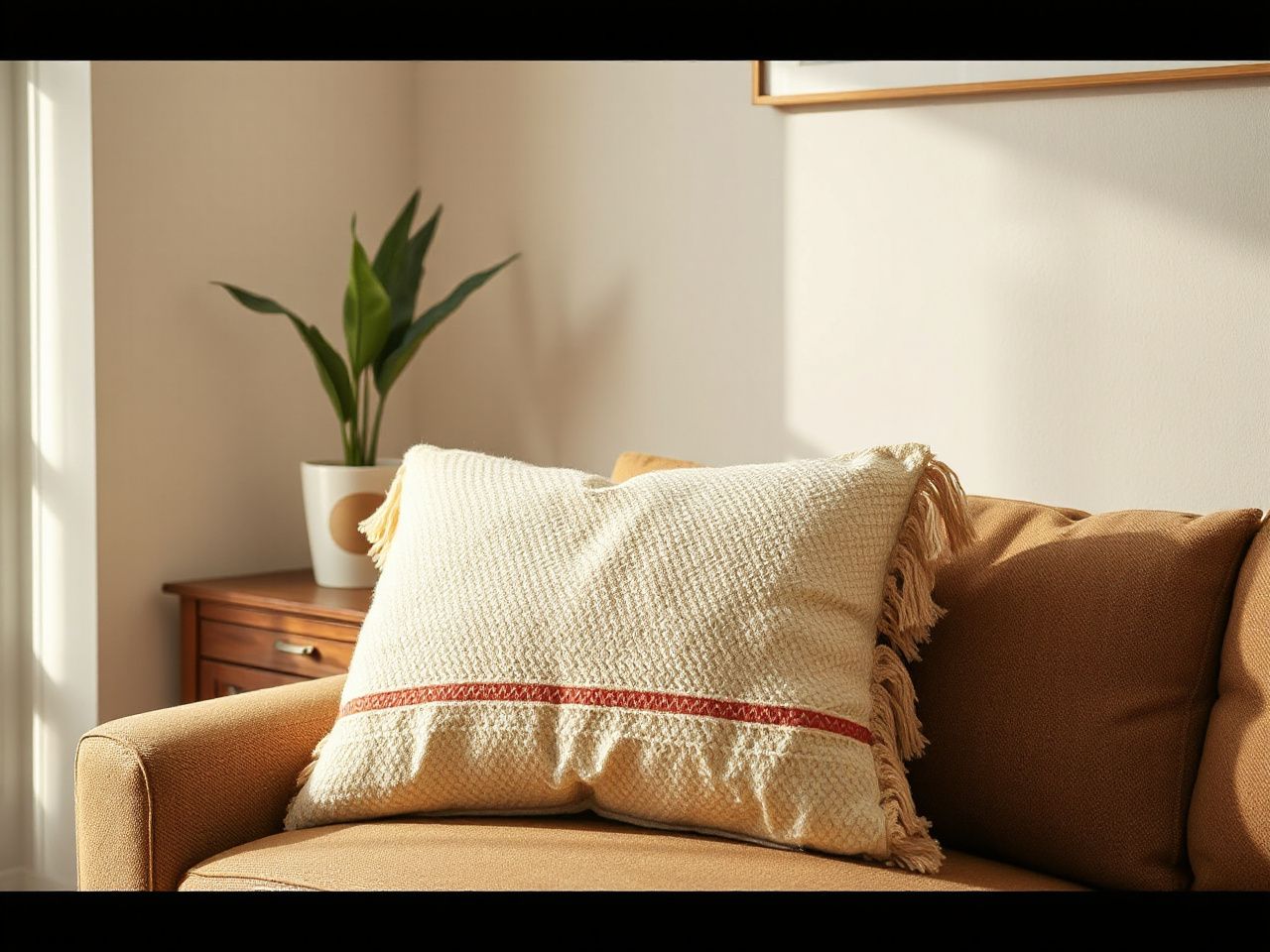
Cover fabric is the visible layer of a pillow arrangement, so the cover should relate to the room’s other surfaces in both color and texture. Cotton can provide a familiar woven appearance, linen can contribute a relaxed surface, and velvet can add depth through the way its pile catches light.
Texture is especially important in rooms that already rely on neutral upholstery. A smooth sofa may need a more tactile cover, while a heavily textured sofa may look calmer beside a simpler fabric. Do not treat texture as a substitute for lighting; a lamp can reveal texture, soften contrast, and make the arrangement easier to read.
Choose shape by function
Decorative and supportive cushions should not be assessed by appearance alone. A decorative pillow may be intended to complete a composition, whereas a supportive pillow should feel useful behind the lower back, beside an arm, or beneath the head during relaxed sitting.
Square shapes are adaptable, but rectangular pillows can fit more naturally along a sofa arm or behind a seated person. A bolster may suit a narrow space, although its rounded profile changes how it rests against the body. The correct shape is the one that serves the seat without forcing the occupant to remove it every time.
Comfort depends on the insert’s filling, not only on the cover’s surface. Down-and-feather fill, polyester fiberfill, and foam inserts create different experiences in loft, weight, support, recoverability, and maintenance. A pillow that looks inviting may still be unsuitable for leaning if its filling collapses or shifts easily.

Intermediate: Match the cover, insert, and construction
Understand the insert options
Down-and-feather fill generally gives a softer, more flexible feel and can be reshaped by hand. Its character suits a pillow that is meant to look relaxed and compress under use. People with allergies may need to consider whether this filling is appropriate for their household, and the cover still needs to enclose the filling securely.
Polyester fiberfill is a synthetic filling used for decorative softness and everyday cushioning. It can hold a more consistent shape than a very loose fill, but the exact feel depends on how densely the fibers are packed and how the insert is constructed. A label that names the fiber does not tell you everything about the pillow’s support.
Foam inserts tend to provide a more structured feel. They may suit a supportive cushion that should resist immediate compression, but their firmness and shape must work with the cover and the sofa. A foam insert that is too rigid can make a relaxed pillow arrangement feel formal or uncomfortable.
Filling changes how a pillow feels, how high it stands, how much it weighs, and how it responds after someone leans against it. The filling type should therefore be selected according to the pillow’s job, not chosen after the cover has already been purchased.
Fit the cover to the insert
The cover and insert need compatible dimensions and construction. An insert that is too small leaves the cover slack and creates empty corners, while an insert that is too large can strain seams, distort the shape, and place pressure on the zipper or other closure.
A useful rule from the verified guidance is to purchase an insert measuring one size greater than the cover. Treat that advice as a starting point rather than a substitute for checking the actual product information, because cover proportions, fabric stretch, filling density, and construction affect the final result.
- Compare the listed cover dimensions with the insert dimensions.
- Check whether the measurements describe the finished cover or the fabric before sewing.
- Inspect the corners for clean filling and a shape that reaches the edges.
- Look for strain around the zipper, piping, and seam joins.
- Place the insert inside the cover before judging fullness or symmetry.
Knife-edge construction creates a crisp perimeter with a clean seam, while a piped edge adds a raised line that defines the shape. Both can look polished, but both require an insert that sits evenly inside the cover. A zipper closure allows adjustment, removal, and inspection; a sealed pillow cannot be opened as easily for those tasks.
A removable pillow cover separates the washable or replaceable outer layer from the filling. That separation can make routine care simpler and may allow the cover to change when the room’s palette changes. A pillow that cannot be opened may have a neat appearance, but cleaning and repair options are more limited.
Know why showroom fullness disappears
Some throw pillows look full in a shop and go flat at home because appearance depends on the insert’s density, the cover’s dimensions, the way the pillow was arranged, and how the filling responds to compression. A cover can also conceal an insert that is too small, particularly when the display pillow has been carefully positioned.
Check the recovery of the insert by pressing the surface and watching how it returns, without treating that brief check as a prediction of long-term performance. A supportive pillow should retain a useful shape for its intended position, while a decorative pillow can be softer if it is expected to be reshaped.
Fluffing is not a cure for an incorrectly sized insert. If the corners remain empty or the cover folds across the face, the issue is likely compatibility rather than arrangement. A structured foam insert may keep a more defined outline, whereas loose fiberfill or down-and-feather fill may need more frequent reshaping.
Advanced: Build a durable, manageable arrangement
Compare comfort with decoration
Ask what each pillow must do before deciding how it should look. A decorative pillow can occupy a visual position at the back or edge of a sofa, while a comfortable leaning pillow needs a fill and shape that can receive body weight without becoming an obstacle.
Keep the most supportive cushion where a person will actually lean. Place highly decorative covers where they can be seen without blocking the seat that needs to remain usable. This division makes the arrangement more practical and prevents the sofa from becoming a display that has to be cleared before anyone sits down.
A sofa arrangement should also account for movement. Pillows that slide into the sitting area can reduce usable space, interfere with controls, or spill into pathways. A beautiful grouping is unsuccessful if the room becomes awkward to navigate.
Choose materials for daily conditions
Pet hair, stains, and wear do not appear equally on every material. Plush or visibly napped surfaces can show changes in direction, while pale or highly textured fabrics can make marks easier to notice. Smooth woven fabrics may present a calmer surface, but the care label remains more reliable than a general assumption about durability.
Consider the room’s habits before choosing the cover. A household with pets may need a surface that can be inspected and cleaned without complicated trim. A high-use sofa may need removable covers, secure seams, and a filling that remains comfortable after repeated handling.
Velvet can change appearance as its pile lies in different directions, so placement near a lamp or window may make the color appear uneven. Linen and cotton can contribute a relaxed look, but fiber content, dye, and finish determine how the surface reacts to cleaning. Material names alone do not provide a complete care plan.
Silver-coated fibers are offered for antibacterial characteristics, but a treatment does not remove the need to follow the care label or keep the pillow clean. The claim should be treated as a material feature to inspect, not as permission to ignore ordinary household care.
Clean covers and inserts separately
Care instructions vary by fiber, dye, trim, and filling. Washing or drying a cover and insert together can cause shrinkage, distortion, clumping, or damage, so read the label for each component before using a washing machine, dryer, spot treatment, or professional service.
- Remove the cover when the construction allows it, and close the zipper before cleaning.
- Test an inconspicuous area before applying a cleaning solution to a visible surface.
- Keep trims, piping, and decorative elements in mind because they may react differently from the main fabric.
- Follow the stated drying method instead of assuming that heat is suitable.
- Return the insert only after the cover is fully dry and its shape has settled.
A removable pillow cover is easier to inspect for stains, loose threads, and closure damage. A non-removable pillow may require more cautious surface cleaning because the filling cannot be removed from the cleaning process.
Routine care is also an ownership cost. A pillow that needs special cleaning, frequent cover replacement, or an insert replacement may cost more to maintain than its initial appearance suggests. Compare the cover’s care requirements, the insert’s replaceability, and the possibility of buying a replacement cover before judging value.
The cost of owning a throw pillow includes cleaning, replacement covers, and replacement inserts. A lower initial price does not automatically mean lower ownership cost, and a more expensive-looking fabric is not automatically easier to maintain.
Account for household safety and care labels
Loose filling should remain securely enclosed around children and pets. Down-and-feather fillings may matter to people with allergies, so the household’s needs should be considered before selecting that construction. Read the label for fiber content, cleaning instructions, and warnings rather than relying on the cover’s appearance.
The U.S. Consumer Product Safety Commission provides consumer safety information, including guidance relevant to products used around children, so consult its main site if a pillow will be placed in a child’s sleeping or play area. A decorative living-room pillow should never be treated as a substitute for a product designed for a specific safety purpose.
Textile labels and care claims can also raise questions about what a material treatment means. The U.S. Food and Drug Administration is the federal body to consult for information within its authority when a product makes a health-related or antimicrobial claim. A label should not be interpreted more broadly than the claim it actually makes.
Use lighting to correct visual imbalance
Pillows can expose a room’s lighting problem by creating dark masses on a sofa or making the upholstery appear flat. Before removing furniture, adjust the placement or direction of lamps so the sofa surface, wall behind it, and nearby artwork receive enough visual separation.
A bright lamp beside one arm can make a dark pillow feel heavier on that side, while a dim corner can make a pale group disappear. Move the light first, then reassess color, pattern, and quantity. The lamp is part of the composition, not a separate technical detail.
Use a calmer cover near a visually busy wall, and allow a patterned pillow to connect two areas that already share a color. Blankets and other sofa textiles can repeat a texture without forcing every item into the same pattern.
A crowded sofa usually results from treating every pillow as a focal point. Give each cover a role, preserve a clear place to sit, and remove anything that blocks the line of the sofa or competes with the room’s main artwork.
Frequently Asked Questions
What does a throw pillow buying guide say about choosing the right sofa size and shape?
Start with the sofa’s usable seat, back height, arm width, and depth. Large square pillows can establish the arrangement, while rectangular or lumbar shapes can support a seated position or fit along an arm. Keep pathways and controls clear. A pillow is correctly sized when it looks proportionate and remains easy to move without taking away the seat people need.
Why do throw pillows look full in a shop but go flat at home?
Display fullness can hide an insert that is too small, a cover with generous dimensions, or filling that compresses quickly. Check the cover and insert together, inspect the corners, and compare the insert’s recovery after gentle pressure. Down-and-feather fill, polyester fiberfill, and foam inserts behave differently, so appearance alone cannot predict support or maintenance.
How should a removable pillow cover and insert be cleaned?
Follow the care label for each component and separate the cover from the insert when the construction permits. Fiber, dye, trim, and filling affect the correct method. Washing or drying both pieces together can cause shrinkage, distortion, clumping, or damage. Close the zipper, test any treatment on a hidden area, and return the insert only when the cover is fully dry.
Are down-and-feather fillings suitable for homes with allergies, children, or pets?
Down-and-feather fillings may matter to people with allergies, so household sensitivities belong in the decision. Around children and pets, loose filling should remain securely enclosed, and damaged seams or closures should be repaired or removed from use. Read the product label and consult the CPSC for consumer safety information when the pillow will be used near children.
For a broader approach to balancing decorative surfaces and practical maintenance, the wall-art buying guide for coordinating living-room focal points can help connect pillows with artwork rather than treating the sofa as an isolated display. Lighting remains the first check: a well-placed lamp can clarify the whole arrangement before another cover or insert is added.