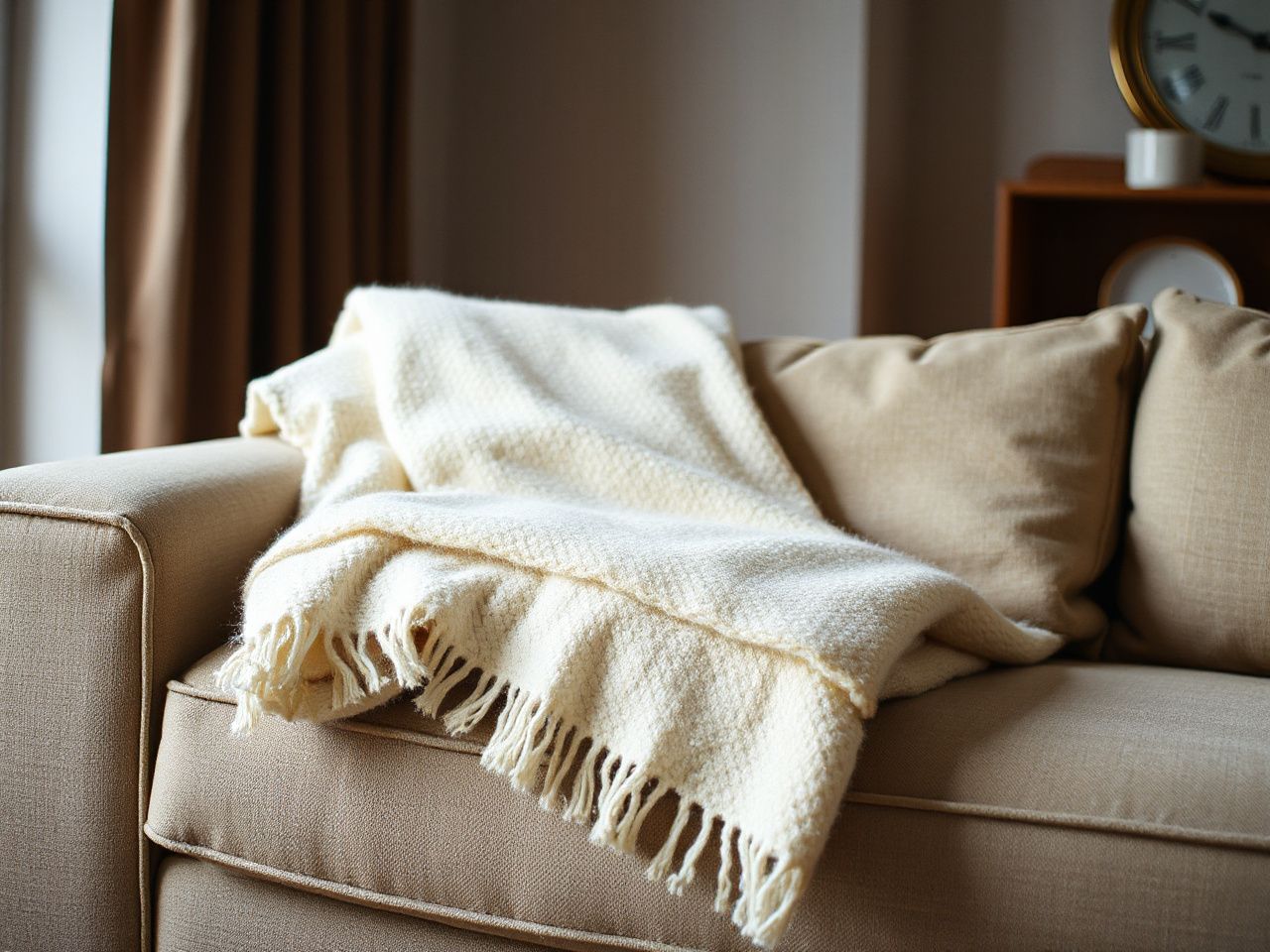
A throw can look inviting in a shop and still feel scratchy, shed across the sofa, trap pet hair, or lose its shape after washing. The useful distinction is between fiber identity and actual performance: weave, loft, drape, and finishing often determine warmth, softness, shedding, and pilling as much as the material name does.
For a living-room throw, the practical trade-off is tactile comfort, visual texture, washability, snag resistance, and pet-hair behavior rather than treating natural or synthetic fibers as universally superior. This throw blanket buying guide starts with the way a room is used, then considers the textile. I also check the lamps before changing furniture, because a throw looks far better when the surrounding light supports its texture and color.
Key Takeaways
- Choose by use first: sofa lounging, chair reading, bed layering, or decoration each call for a different balance of size, loft, drape, and care.
- The care label outranks general advice about cotton, wool, linen, acrylic, polyester fleece, or any blend with trim.
- Inspect the surface, edges, fringe, and loops for signs of shedding, pilling, snagging, and difficult pet-hair removal before buying.
Beginner: Start With the Room and the Job
Step 1: Decide where the throw will live
A blanket for a sofa arm has a different job from one used across a bed. A decorative throw can be light and highly textured because appearance leads; a regular-use blanket needs a surface and construction that remain comfortable through repeated handling.
- Sofa: Choose a size that can cover the lap without swallowing the seat. A flexible drape works well over an arm, back, or corner.
- Reading chair: A smaller, manageable shape is easier to pull around the body and less likely to trail across the floor.
- Bed: A throw usually works as a visual layer at the foot or across one side. If full-body coverage is the aim, compare the dimensions with the bed rather than assuming the word “throw” tells you enough.
- Display: Texture, border treatment, and color may matter more than insulation, but the fabric still needs a care plan if people will handle it.
A sofa throw should be easy to lift, fold, and reposition without dragging on the floor. A bed throw should have enough width to look intentional rather than like a narrow strip placed by accident. The manufacturer’s listed dimensions are the useful starting point; do not infer size from a product photograph.
Room scale matters too. A broad sofa can carry a larger folded textile, while a compact armchair often looks crowded under a bulky one. Keep the blanket’s visual weight in proportion to the furniture, then use a lamp to make the weave visible rather than relying on extra cushions to add interest.
Step 2: Separate warmth from bulk
Warmth depends on more than fiber. Weave, loft, weight, and drape all affect how a throw feels in actual living-room use. A lofty surface may feel warm without hanging neatly, while a flatter weave can fold cleanly and feel less enveloping.
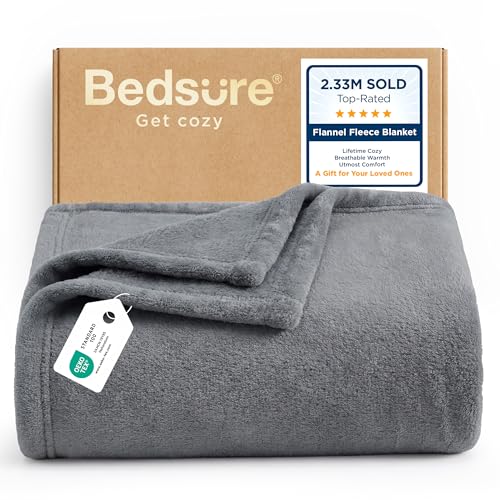
Loft describes the apparent thickness or airiness of the textile. A raised fleece or sherpa fleece surface generally presents more visual volume than a flat linen weave. That does not make fiber labels irrelevant; it means the label cannot answer the whole question.
Weave affects structure, surface texture, and drape. A tight, smooth construction may sit neatly over an arm. A loose or open construction can look relaxed but may catch on rough furniture edges, jewelry, claws, or decorative hardware.
Drape describes how the fabric falls when folded over a sofa or chair. A stiff blanket makes a crisp display but may feel awkward around the body. A fluid blanket can be comfortable for lounging yet slide from a polished arm more easily.
Wool blankets offer greater warmth than cotton blankets and show higher resistance to combustion, but wool can felt or shrink with heat, moisture, or vigorous agitation. Cotton is often considered for its familiar hand and straightforward everyday feel, yet the final result still depends on weave and finishing.
Step 3: Match comfort to the season and room
A comfortable throw should suit the room’s normal temperature and the way people use the seating. A highly lofty blanket may be welcome during cold weather but feel excessive in a warm, heavily heated room. A light decorative layer can add color and texture without turning the sofa into a pile of fabric.
For a warmer feel, compare wool, fleece, sherpa fleece, and the amount of loft rather than choosing by material reputation alone. For a lighter visual layer, examine linen, cotton, or a thin synthetic construction. Polyester fleece can feel soft and warm, while acrylic can imitate the look of some natural fibers; both still need a close look at pilling, odor retention, and care instructions.
A natural-fiber throw is not automatically better for everyday use. A synthetic throw may offer easy handling or a surface that suits frequent casual use, while a natural fiber may provide a hand and visual character that matter more to the room. The correct choice depends on washing, pets, snag risks, and the kind of comfort wanted.
Intermediate: Read the Material, Construction, and Finish
Fiber identity is only the first filter
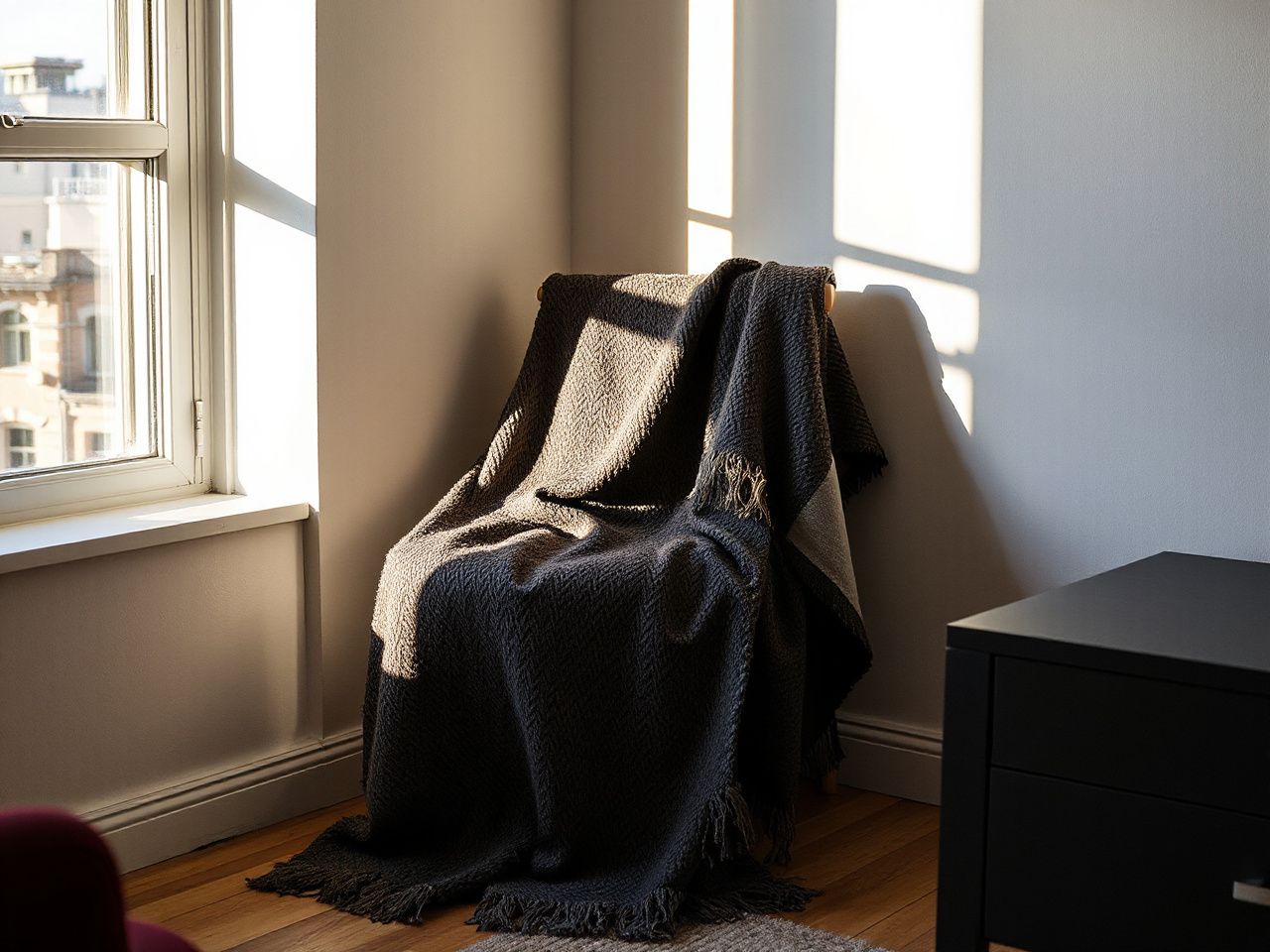
Cotton, wool, linen, polyester fleece, acrylic, and sherpa fleece describe fiber or surface families, not a complete user experience. Two throws carrying the same fiber name can differ in softness, warmth, drape, shedding, and resistance to pilling because their construction and finishing differ.
Look for a clear fiber-content statement and then inspect the fabric itself. A reader can usually check whether the surface is brushed, looped, smooth, hairy, open, or tightly woven. Those visible cues help explain how the throw may interact with upholstery, clothing, pet hair, and washing.
- Cotton: Consider the weave and finishing, not just the familiar fiber name. A smooth cotton throw may behave very differently from a chunky or brushed one.
- Wool: Wool can feel warm and substantial, but heat, moisture, and vigorous agitation can cause felting or shrinkage.
- Linen: Linen can bring a dry, textured look suited to relaxed sofa and armchair styling. Check the care label before treating it as a casual machine-wash textile.
- Polyester fleece: A soft raised surface can feel inviting, while synthetic surfaces may retain odors or develop pilling.
- Acrylic: Acrylic can provide a soft, light decorative hand, but surface fuzz and pilling deserve close inspection.
- Sherpa fleece: The deep, plush face adds loft and visual warmth. Its raised texture can also make pet hair and lint more noticeable.
A throw’s finishing can change its practical behavior. Brushed surfaces may feel softer, raised loops can catch more readily, and a firm edge can help the textile hold its shape. These are observations to make from the item or its images, not promises that a fiber label can supply.
Check shedding and pilling before purchase
Shedding describes loose fibers leaving the surface. Pilling describes small balls or knots forming as fibers rub together. They are related to surface behavior but are not the same problem.
Run a clean hand lightly across the surface if the item is available to touch, then inspect the hand and the surrounding fabric for loose fuzz. If shopping from photographs, look closely at high-contact areas, seams, and the edge of the blanket. A close, stable surface usually gives fewer visual clues of loose fibers than a very fluffy one, but no photograph can settle the question completely.
Pet hair behaves differently on different surfaces. Smooth, flatter textiles may release hair more readily with ordinary lint-removal tools, while raised fleece and looped textures can hold hair between fibers. A busy home may therefore benefit from a surface that is easy to brush or vacuum rather than one with maximum fluff.
Synthetic fibers can retain odors or develop pilling, so everyday suitability requires more than a soft first impression. Wool can shed loose fibers and needs careful handling, especially around moisture and agitation. A care label gives the controlling instructions for the actual textile.
Inspect binding, fringe, tassels, and loops
Blanket binding is more than a decorative edge. It helps finish the perimeter and affects how the blanket folds, hangs, and tolerates handling. Check whether the binding lies flat, appears securely attached, and matches the intended use.
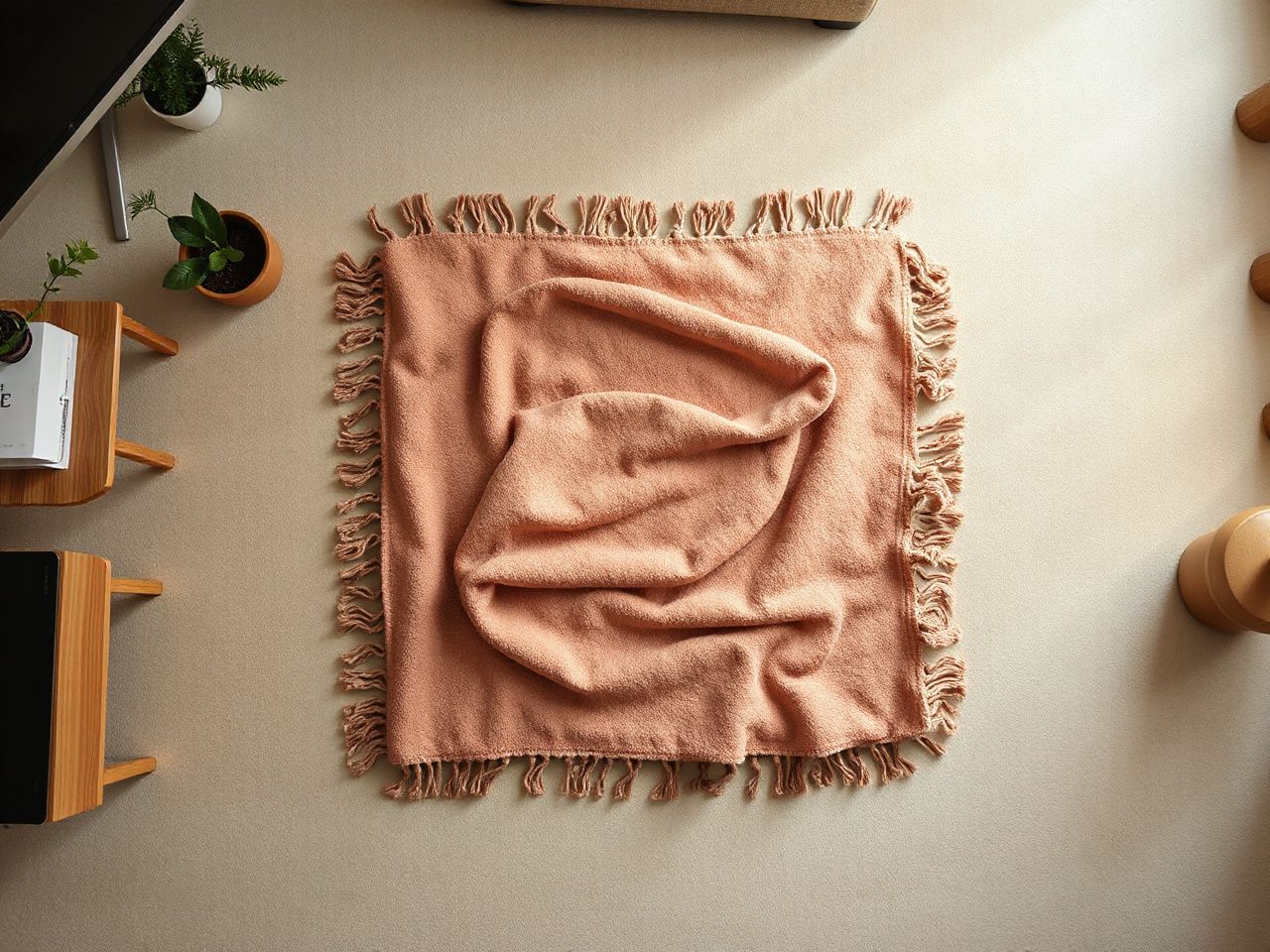
Loose fringe, tassels, and loops can snag on furniture or create compatibility concerns around children and pets. They also add a care complication because trim may need different handling from the central fabric. A restrained border is often easier for an everyday sofa throw, while elaborate trim suits a display-led textile that receives gentler use.
A loose edge can change the way a throw drapes over a chair and may catch on a rough upholstery weave. Inspect the perimeter as carefully as the center. If the throw will be moved often, simple construction usually makes the routine less fussy.
Understand thread count without overreading it
Thread count is calculated by counting threads within a square inch or across a ten-square-centimetre area. That figure describes thread density, but it does not independently tell you how warm, soft, washable, or durable a throw will feel.
For a living-room textile, surface finish, yarn character, weave, loft, and drape deserve equal attention. A dense flat textile may fold beautifully but feel less plush than a lofty one. A thick-looking surface may feel warm but require more care and show pet hair more clearly.
Advanced: Build a Care and Cost-of-Ownership Test
Give the care label final authority
The care label should take priority over general advice about fiber care, especially when a throw contains a blend or decorative trim. The label describes the finished product, while general fiber rules describe only one part of it.
- Check the permitted washing method before assuming machine washing is acceptable.
- Read drying instructions before using heat or choosing a storage routine.
- Look for special instructions covering wool, blends, binding, fringe, tassels, or surface treatments.
- Follow the label when it differs from broad advice about cotton, linen, acrylic, or polyester.
Wool can felt or shrink when exposed to heat, moisture, or vigorous agitation. A throw can also lose shape when a delicate edge or loosely structured surface is handled too roughly. Synthetic fibers may avoid some forms of shrinkage yet still pill or retain odors, so machine washing does not equal carefree ownership.
Washability is part of cost of ownership because a difficult textile may demand more attention, specialist care, or replacement sooner after poor handling. The purchase price alone cannot describe value. Consider how often the throw will be moved, washed, exposed to pets, and used by people eating or drinking near the sofa.
Protect shape, surface, and color
Use the care label as the decision point for washing, drying, and storage. Avoid adding heat, moisture, or agitation simply because a blanket looks sturdy. A textile that shrinks, felts, or becomes fuzzy after washing has usually been exposed to care conditions that do not suit its construction.
Do not store a throw while it is damp or compressed under objects that can distort its edge. Fold it according to its natural structure, keep decorative trim from catching, and choose a storage place where pets cannot pull loops or tassels loose.
Regular light maintenance can reduce the need for aggressive washing. Remove surface lint with a suitable brush or lint tool, address spills according to the care label, and keep the textile away from rough hardware. A throw stored in a basket can remain part of the room’s styling, while a closed cupboard protects delicate finishes from casual snagging.
Compare a decorative throw with a regular-use blanket
A lightweight decorative throw is primarily a color and texture layer. It may sit across an armchair, soften the look of a sofa, or connect upholstery with wall art. Its value comes from how it completes the room, especially under balanced lamp light.
A warmer regular-use blanket must do more. It needs a comfortable hand, practical drape, manageable care, and a surface that suits repeated contact. That may mean accepting less elaborate trim or a less dramatic texture in exchange for easier handling.
Use these questions to make the distinction:
- Will the blanket cover a lap, wrap around a body, or remain folded?
- Will people move it repeatedly, or will it stay in one display position?
- Will pets lie on it or brush against it?
- Can the household follow the stated care instructions?
- Does the texture support the room, or does it compete with upholstery and lighting?
An ordinary throw blanket is not a heated blanket and should be kept away from open flames, hot surfaces, and blocked heating vents. The U.S. Consumer Product Safety Commission provides consumer guidance on household product safety, so its information is a sensible reference for broader fire and home-safety concerns.
Heated blankets and other cold-weather bedding require separate instructions because electrical components change the safety considerations. Do not treat an ordinary textile throw as a substitute for a heated product or assume that heated-product directions apply to it.
Use lighting before rearranging the furniture
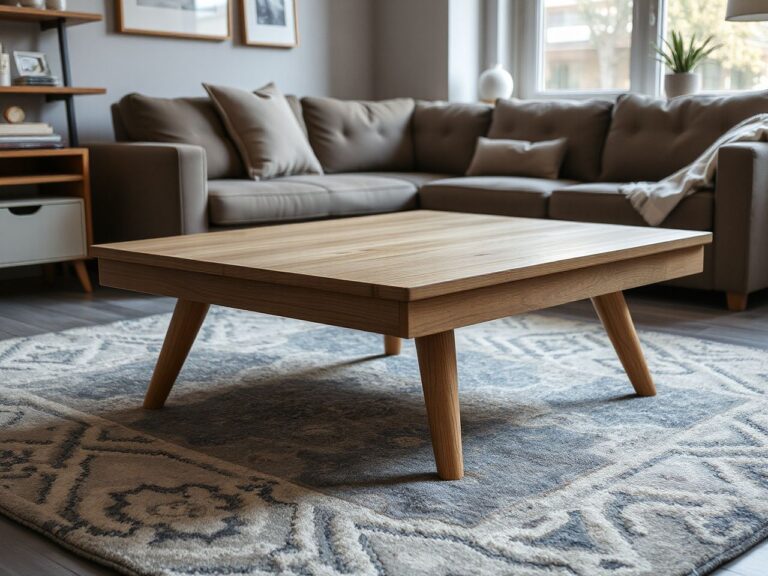
Texture is a lighting issue as much as a textile issue. A ceiling fixture can flatten a nubby weave, while a nearby table or floor lamp can show the difference between a smooth cotton surface, a raised fleece face, and a loose fringe.
I would first correct a dark corner or harsh glare with a lamp before moving a sofa to accommodate a blanket. The room often needs clearer light rather than more furniture. For a deeper look at task lighting choices, see this guide to choosing between task lamps and overhead lighting.
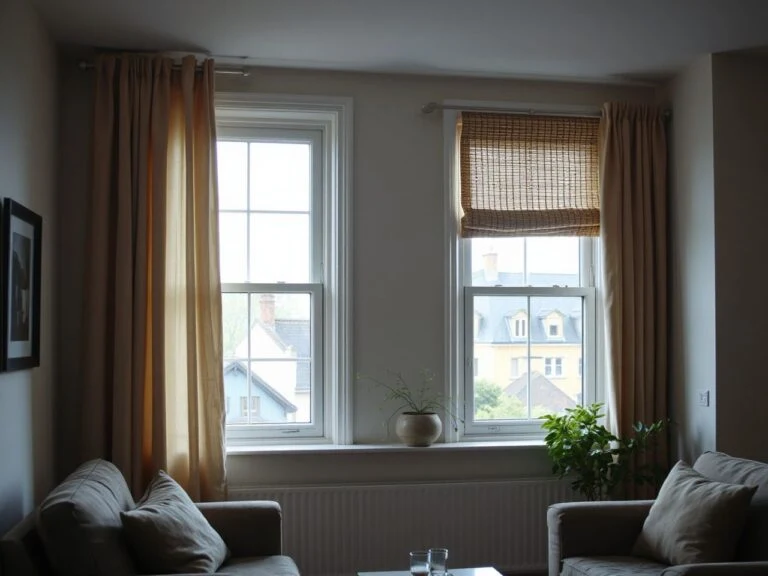
Keep the blanket’s color in relation to the light source. Warm light can make cream, tan, and terracotta appear richer, while cool light can emphasize blue or grey undertones. Test the throw in the room’s actual lighting before deciding that a color works with the sofa.
Preventive Measures: Avoid the Mistakes That Make Throws Frustrating
Do not choose size from styling photographs
Photographs often show a blanket folded, draped, or partially hidden. That styling can make a small throw appear generous or make a larger one look compact. Use the listed dimensions and compare them with the sofa seat, chair back, or intended bed placement.
For a sofa, decide whether the throw should cover the lap, rest over the arm, or span the back. For a reading chair, prioritize reach and easy folding. For a bed, consider the visible layer and the width needed to keep the arrangement balanced rather than buying by habit.
Do not mistake decorative texture for comfort
Fringe, loops, chunky weave, and a high-pile face add visual interest but may feel awkward against bare skin or catch on upholstery. A throw can be beautiful in a styled room and impractical for daily lounging.
Keep a decorative textile in a display position if its finish is delicate. Choose a smoother, more stable surface for direct contact with the body. This division also helps a room feel intentional: one textile supplies texture, while another handles comfort.
Do not ignore pets and high-contact areas
Pet-friendly textiles need consideration of hair, claws, odor, and snag risk. A smooth surface may make hair removal easier, while loops and long fibers can give claws more opportunities to catch. Loose tassels and fringe can also become tempting for curious pets.
Place a high-texture throw where it will not receive constant rubbing if preserving its appearance matters. For a heavily used sofa, inspect the fabric after handling and think about how a brush, lint tool, or vacuum attachment could reach the surface without damaging it.
Do not put an ordinary throw near heat sources
Keep throws clear of open flames, hot surfaces, and blocked heating vents. A decorative textile should never be allowed to cover a vent or rest against a heat source simply because the arrangement looks tidy.
The ASTM International site provides access to information about voluntary consensus standards, while the CPSC remains a useful government source for consumer safety guidance. Neither source replaces the product’s care label or the instructions supplied for a heated blanket.
Use color and texture with restraint
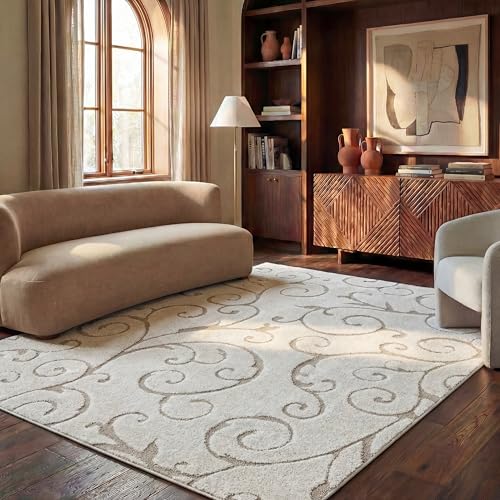
A throw works best when it supports the room’s existing color and texture rather than adding another unrelated note. Look at the sofa, rug, curtains, wall art, and lamps together. A textile can repeat a quiet undertone without matching every object exactly.
Mid-century modern design elements are associated with the period spanning approximately 1945–1965. A simple throw with clear lines can suit that vocabulary, while a softer, more irregular textile may support a relaxed contemporary room. The historical label matters less than proportion, surface, and light.
Do not overlook storage. A basket, open shelf, or folded stack can make the throw accessible while contributing to the room’s composition. If the textile must be hidden because its storage creates clutter, its practical value may be lower than a slightly simpler piece that can remain in reach.
Frequently Asked Questions
What size and shape work best for a sofa or reading chair?
Choose by the intended action rather than the furniture name alone. A sofa throw may need enough coverage for the lap and enough length to fold over an arm. A reading-chair throw should be easy to wrap, lift, and store without trailing across the floor. For either seat, compare the manufacturer’s dimensions with the furniture before relying on a styled photograph.
Is a natural-fiber throw better than a synthetic throw for everyday use?
Neither category wins in every room. Wool can provide warmth and higher resistance to combustion than cotton, but wool needs careful protection from heat, moisture, and vigorous agitation. Synthetic fibers can be convenient, yet some may retain odors or develop pilling. Judge the actual weave, loft, drape, surface, care label, and pet-hair behavior.
Why does a throw blanket shrink, lose its shape, or become fuzzy after washing?
Heat, moisture, and vigorous agitation can cause wool to felt or shrink, while unsuitable handling can distort a delicate edge or blend. Surface fibers can also become fuzzy through friction, and synthetic textiles may develop pills. Follow the care label first, especially when the blanket includes a blend, binding, fringe, tassels, or other trim.
How can I tell whether a throw will shed, pill, or trap pet hair?
Inspect the surface, seams, and perimeter for loose fuzz, raised loops, and very long fibers. A smooth or flatter surface is generally easier to examine and clean, while plush and looped textures can hold hair more deeply. If possible, lightly brush the surface with a clean hand and check the care label for cleaning limits.
How many throw blankets should a living room have?
Use the number of active seats and the room’s storage capacity as practical limits rather than following a fixed rule. A throw for regular use and a separate decorative layer may serve different purposes, but too many textiles can crowd the sofa and obscure the room’s texture. Keep the selection that people can reach, use, and care for properly.
A considered throw should feel right in the hand, sit correctly on the furniture, and remain manageable after ordinary use. Start with the room, check the construction, obey the care label, and adjust the lighting before replacing the sofa. That sequence produces a more useful result than choosing a fiber name or color in isolation.