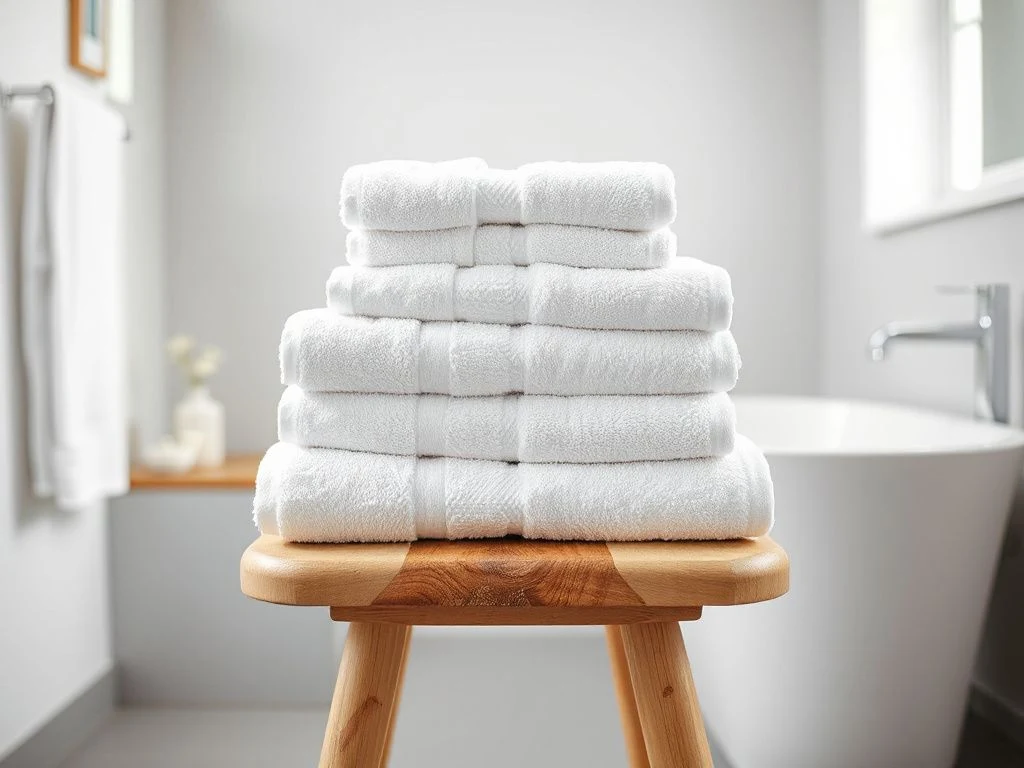
Most people either wash their bath towels far too often or nowhere near enough. The ‘every three uses’ rule you see everywhere is a lazy shortcut that ignores the one variable that actually matters: how fast your towel dries between uses.
The real differentiator isn’t a fixed count of uses — it’s the drying environment. A damp towel is a food source: it holds water, shed skin cells and soap residue together in one place, and the bacteria that produce that sour smell keep multiplying for as long as the fibers stay wet. A towel hung in a steamy, windowless bathroom will sour after one use, while the same towel in a dry, ventilated space can last four or five. Beginners fixate on ‘how many days’, but the towel’s own signals are the better guide: smell, stiffness, and visible grime — those are what tell you it’s time to switch.
Before we go further, know that your bathroom’s design affects this more than you think. The boho bathroom design choices you make — open shelving, breezy curtains, fewer enclosed cabinets — change how air moves across a damp towel. My lighting obsession taught me that a brightly lit bathroom reveals damp spots you’d otherwise miss, but ventilation does the heavy lifting.
Key Takeaways
- Three to four uses is a solid baseline for healthy adults when the towel dries fully within a few hours.
- Drying speed matters more than use count. A towel that stays damp overnight needs washing after one or two uses.
- Never share bath towels between household members; skin bacteria transfer easily and can trigger breakouts.
- Hot water (140°F or higher) plus a full dry cycle kills most odor-causing microbes without wrecking fibers.
Why the ‘Every Three Uses’ Rule Falls Short
The standard advice to wash a bath towel every three uses assumes your bathroom is a dry, well-ventilated space. Most bathrooms are not. Humidity from showers lingers, and a thick cotton towel can hold moisture for six hours or longer. During that time, bacteria multiply rapidly.
According to the Centers for Disease Control and Prevention, damp fabrics are prime environments for germs to grow. The CDC doesn’t issue a universal towel replacement schedule because conditions vary so widely. That’s the honest answer most listicles skip.
What Actually Ends Up on Your Towel
After a shower, your towel collects dead skin cells, sweat, body oils, and trace amounts of soap residue. A single adult sheds roughly 1.5 grams of dead skin per day, much of it during bathing. Those skin cells feed the bacteria and fungi already living on the towel.
Add to that the moisture from a hot shower, and you have a microbe buffet. A cotton terry cloth towel that stays damp for more than four hours after use will develop a musty smell within three uses, regardless of washing frequency. That odor is bacterial waste, not dirt.
Towels Are Not Uniform in How They Dry
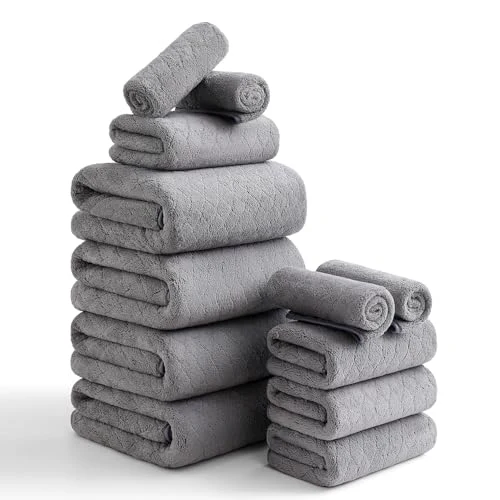
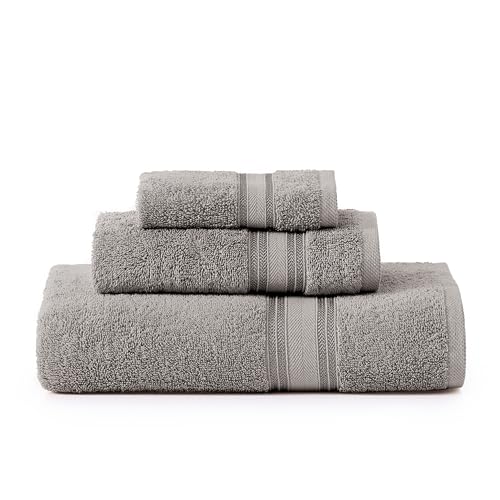
Cotton terry cloth absorbs water well but releases it slowly. Microfiber towels dry faster because their synthetic fibers wick moisture away. Linen towels dry even quicker but feel rougher. Your towel’s material directly changes how often you need to wash it.
A lightweight microfiber bath sheet can go four to five uses in a ventilated bathroom. A dense, plush cotton towel in that same bathroom might sour after two uses. My rule: judge the towel by its material, then watch how long it stays damp after hanging.

How Often Should You Wash Bath Towels? A Use-Based Framework
Here is the direct answer you came for. For most healthy adults using a towel once daily in a reasonably dry bathroom, three to four uses is acceptable. That means washing the towel every three to four days. If you shower twice a day, cut that window in half.
The framework below adjusts for real-world conditions. No fixed number works for every household.
Standard Recommendation for Most Households
Hang your towel flat and spread out on a bar or hook after each use. If it dries within two hours, you can safely reuse it three times before washing. If it takes longer than four hours to dry, wash after two uses at most.
This is not about being fussy. A damp towel that sits overnight in a closed bathroom becomes a reservoir for dust mites and mildew spores. Once those colonies establish themselves, you’ll smell them long before you see any discoloration.
When to Wash More Frequently
Some situations demand a fresh towel after every single use. If any of these apply to you, default to one use per wash:
- You live in a humid climate or your bathroom lacks a working exhaust fan.
- You have a skin condition like eczema, acne, or folliculitis.
- You share a towel with a partner or child — which you shouldn’t, but if you do, wash daily.
- You use the towel after workouts or sweaty activities in addition to showers.
- You or someone in the household has a compromised immune system.
For anyone showering twice a day, the same logic applies: a towel used morning and night rarely dries fully between uses. Wash it every other day at minimum.
Sharing Towels: A Hygiene Risk Not Worth Taking
Sharing a bath towel with a partner or child is a common habit, but it’s a poor one. Each person’s skin microbiome is unique, and swapping towels transfers Staphylococcus aureus and other bacteria. One person’s harmless flora can cause breakouts or infections on another’s skin.
If you must share due to limited space, use a fresh side for each person and wash the towel after every use. Better yet, assign each family member their own towel color or hook location. This is a simple fix that prevents cross-contamination.
The Drying Environment: The Real Deciding Factor
Your bathroom’s ventilation and layout determine towel freshness more than any wash cycle. A towel in a windowless, fanless bathroom will sour after one use, no matter how clean you are. The same towel in a bright, airy bathroom with a window can last five uses.
This is where my lighting background intersects with towel care. A well-lit bathroom makes dampness visible — you can see the darker, wetter patches on a towel. But lighting doesn’t remove moisture; ventilation does. Fix the airflow first.
How to Dry a Towel Properly After Each Use
After your shower, shake the towel out fully. Then hang it on a bar or over a door so that no part of the fabric is doubled over. A folded towel dries twice as slowly. If you have a towel hook, hang the towel by one corner so the rest hangs free.
For bathrooms with minimal wall space, consider a freestanding towel rack that you can move near a window or air vent. The strategies in small bathroom with laundry designs often include fold-down racks and over-the-door bars that keep towels off the floor and in the airflow.
Bathroom Ventilation and Lighting: My Professional Fix
Run your exhaust fan for at least 20 minutes after every shower. If you don’t have one, open a window or leave the bathroom door ajar. The goal is to drop the room’s humidity below 60% within an hour. A cheap hygrometer will tell you if you’re succeeding.
As for lighting: bright, cool-white bulbs make dampness and mildew easier to spot early. I always swap out dim, warm bulbs in bathrooms before addressing towel routines. When you can actually see the towel’s condition, you’re more likely to change it on time.
The same principle extends to adjacent rooms. If your bathroom connects to a bedroom, the humidity you generate can condense on walls. Choosing the right bedroom paint colors with moisture-resistant finishes helps keep the whole area drier, which indirectly helps towels dry faster.
Washing Towels the Right Way
How you wash matters as much as how often. Using the wrong water temperature or detergent can leave towels stiff, smelly, or less absorbent. The goal is to remove body oils and bacteria without destroying the cotton fibers.
According to the American Cleaning Institute, washing towels in hot water — at least 140°F (60°C) — helps remove oils and bacteria more effectively than cold water. That’s the temperature most washing machines reach on the ‘sanitize’ or ‘hot’ cycle.
Water Temperature: Hot vs Cold
For white cotton towels, hot water is ideal. It breaks down body oils and kills most odor-causing bacteria. For colored towels, use warm water (around 105°F or 40°C) to prevent fading. Cold water rarely gets towels truly clean unless paired with a laundry sanitizer.
A common worry is that hot water shrinks towels. Modern cotton towels are pre-shrunk, and a single hot wash won’t meaningfully change their size. What damages towels more is overdrying in the machine, not the wash temperature.
Detergent, Bleach, and Vinegar: What Actually Works
Use a standard laundry detergent without added fabric softener. Fabric softener coats cotton fibers and reduces absorbency — the exact opposite of what you want in a bath towel. If your towels feel stiff after washing, you’re likely using too much detergent, not too little.
Chlorine bleach is fine for white towels but should be used sparingly. Bleach can damage and weaken towel fibers if used in every load. Instead, add ½ cup of distilled white vinegar to the rinse cycle once a month. Vinegar dissolves detergent residue and mineral buildup without harming colors. For colored towels, oxygen bleach (like sodium percarbonate) is a gentler alternative that still tackles odors.
Machine Drying vs Air Drying: Which Keeps Towels Hygienic?
A clothes dryer set to medium or high heat fluffs the fibers and kills any remaining bacteria. Air drying works too, but only if the towel dries completely within a few hours. In humid weather, line-dried towels often stay damp long enough for mildew to grow.
If you air dry indoors, hang towels near a heat vent or use a dehumidifier. Never leave a towel crumpled in the washing machine overnight — that’s how permanent mustiness sets in. The machine’s drum itself can harbor mold; cleaning your washing machine monthly with a hot empty cycle and vinegar helps prevent recontamination.
Musty Towels and Special Cases
That sour, mildewy smell on a supposedly clean towel is not a mystery. It means bacteria survived the wash or recolonized the towel during drying. Fix the cause, not just the symptom.
Why Your Towels Smell Musty Even After Washing
Three reasons account for most musty towel complaints. First, you used too much detergent, which leaves a residue that traps bacteria. Second, you left the wet towels in the machine for hours before transferring them. Third, your washing machine itself has a biofilm buildup in the drum or gasket.
To break the cycle, wash the affected towels once in hot water with one cup of white vinegar and no detergent. Then run a second hot wash with half the normal detergent. This strips the residue and kills the odor-causing microbes. After that, switch to a lower detergent dose and always dry towels fully.
When Skin Conditions Demand a Cleaner Towel
People with eczema, acne, or psoriasis need a fresh towel after every use. Dead skin cells and bacteria on a reused towel can irritate already-compromised skin. The same goes for anyone recovering from surgery or with a weakened immune system — the risk of infection outweighs any laundry convenience.
For these households, keep a stack of clean towels within easy reach and a hamper right outside the shower. Automate the habit so a fresh towel becomes as routine as brushing your teeth. Washing towels daily in hot water is more work, but the skin benefits are immediate.
Frequently Asked Questions
How often should you wash bath towels if you shower twice a day?
Showering twice daily means your towel rarely dries completely between uses. Wash it after every two or three uses, which translates to every one or two days. Use a quick-dry microfiber towel if you want to stretch that slightly longer.
Can I wash bath towels together with my clothes or bedding?
Yes, but avoid washing towels with anything that has zippers or hooks, which can snag the loops. Towels also produce lint, so wash them separately from dark clothing if you mind lint transfer. Bedding can go with towels if both are cotton and you use hot water.
Do colored towels need different washing care than white ones?
Colored towels should be washed in warm or cold water to prevent fading, while white towels benefit from hot water. For colored towels, skip chlorine bleach and use oxygen bleach or vinegar instead. Always wash dark towels inside out to reduce surface wear.
Is it better to air dry towels or machine dry them for hygiene?
Machine drying on medium to high heat is more reliably hygienic because the heat kills bacteria. Air drying works only in a dry, ventilated space where the towel dries within three hours. If you air dry indoors, use a fan or dehumidifier to speed evaporation.