Ignore that cling long enough and your morning shower turns into a fight with a wet plastic sheet. The curtain drifts in, presses against your legs, and leaves you doing an awkward shimmy to avoid it. Learning how to stop a shower curtain from sticking to you matters more than you think — it is not a luxury problem, it is a daily irritation that can make a small bathroom feel outright hostile.
This is worth approaching from a small-space realist’s angle, because in a bathroom the doorway and the tub surround set the limits long before anything decorative does. Sticking curtains are usually blamed on poor curtain material, but more often than not the cause is the shower head’s angle and the venturi effect pulling the curtain in. The fix isn’t about making the curtain heavier; it’s about redirecting the air flow or using a curved rod to change the pressure dynamic. Understanding the difference between static cling and pressure-driven cling replaces the common ‘just add weights’ advice with a deeper, more reliable approach.
Key Takeaways
- A shower curtain sticks to you primarily because of the venturi effect from the shower spray, not just static electricity. The moving water creates a low-pressure zone that pulls the curtain inward.
- The most effective free fix is redirecting the shower head angle downward or cracking open the bathroom door or window to equalize air pressure.
- A curved shower rod pushes the curtain three to six inches away from the spray, which is often enough to stop the inward drift entirely without buying a new liner.
Why Shower Curtains Stick: The Physics Nobody Talks About
Before you buy anything, you need to know what you are actually fighting. Most people think the curtain is sticking because of static electricity, but that explains only a small fraction of the problem. The real driver is air pressure, and once you see the mechanism, the fixes become obvious.
The Venturi Effect Is the Real Culprit
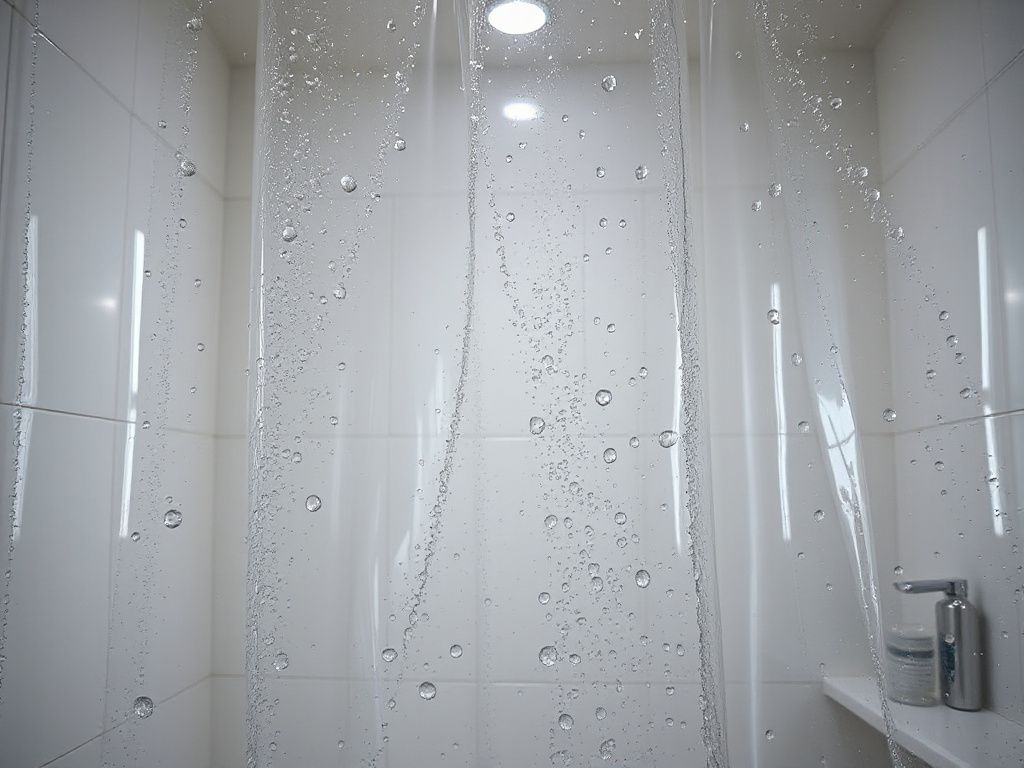
When water rushes out of a shower head at high speed, it drags air along with it. That moving air lowers the pressure inside the shower compared to the pressure outside the curtain. A curtain with a vinyl liner is essentially a flexible wall, and the higher outside air pressure pushes it inward toward the lower-pressure zone. This is the same principle that makes an airplane wing lift and a perfume atomizer spray. NASA publishes a general explanation of the venturi effect in aviation, which is the same pressure-speed principle at work here, though NASA’s page does not address shower curtains specifically.
A curved shower rod pushes the curtain three to six inches away from the shower spray, which lowers the pressure differential enough to stop most inward drift. That single measurement is why curved rods work better than any weight you can add to the hem.
Static Cling Plays a Smaller Role Than You Think
On a dry winter day, a plastic curtain can pick up a static charge and cling to your arm before you even turn on the water. But once the shower is running, humidity usually dissipates that charge quickly. Vinyl and PEVA are more prone to static than polyester or cotton because they are better insulators. A fabric liner will not build up the same charge, which is one reason it feels less grabby in a dry bathroom.
The curtain material matters more for how it responds to water. A thin vinyl liner billows easily because it is light and impermeable, so even a small pressure difference moves it. A heavier polyester or cotton curtain resists that movement because it has more mass per square foot, but it still gets pulled if the pressure difference is strong.
Why the Middle Sticks More Than the Edges
The venturi effect is strongest near the center of the shower spray, where the water velocity is highest. The edges of the curtain near the wall see slower-moving air and less pressure drop, so they stay put. That is why you can anchor the bottom corners with magnets or suction cups and still have the middle billow inward like a sail. The bottom of the curtain is anchored, but the unsupported middle panel has nothing holding it against the pressure difference except its own stiffness.
Free Fixes That Cost Nothing but Five Minutes
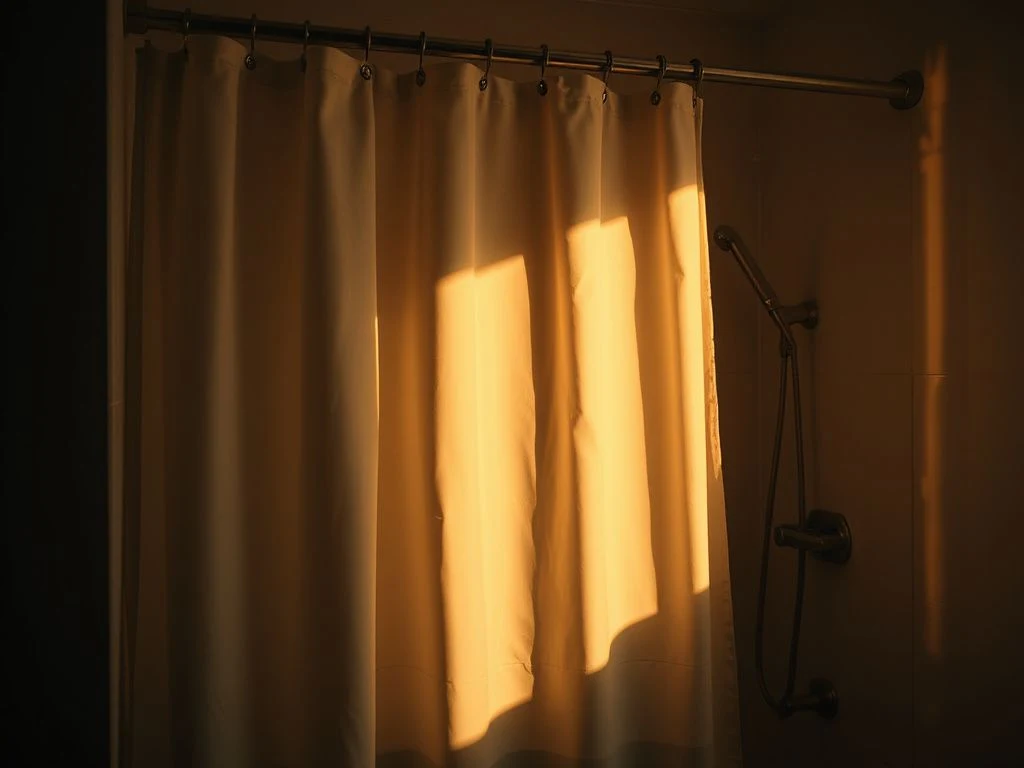
You do not need a new curtain to solve most sticking problems. Start with these adjustments, in order from easiest to slightly more involved. Each one takes less time than a shower itself.
Step 1: Redirect the Shower Head Angle
Stand outside the shower and look at where the spray hits the curtain. If the water is firing directly at the middle of the liner, that is your problem. Tilt the shower head down toward the floor or toward the back wall so the water lands on the tub or the far corner. You want the spray to miss the curtain entirely, or at least hit it at a glancing angle rather than head-on.
If your shower head is on a fixed arm, unscrew the arm slightly and rotate the head, then retighten. Most standard arms allow about 30 degrees of play without leaking. In a small stall shower, even that modest change can move the spray a foot away from the curtain at chest height.
Step 2: Crack the Door or Window
A closed bathroom is a sealed pressure chamber, and that makes the venturi effect worse. Opening the bathroom door an inch or cracking a window lets air flow in from outside the shower enclosure, which equalizes pressure on both sides of the curtain. If you have an exhaust fan, turn it on during the shower. The fan pulls damp air out of the room, which lowers the pressure outside the curtain and reduces the push inward.
This fix works best in small bathrooms where the steam builds quickly. The bathroom door does not have to be wide open; a two-inch gap at the bottom is usually enough to let replacement air flow in while still giving you privacy.
Step 3: Wet the Curtain Before You Step In
Wetting the floor hem of the curtain before you turn on the water adds enough weight to keep the bottom edge anchored to the tub. Run the shower for ten seconds and splash water onto the bottom eight inches of the liner. The added water weight makes the curtain hang straighter and reduces the amount of billow you have to fight.
This is a temporary fix, but it works for a single shower. If you have a fabric liner, it will absorb water and get heavier faster than vinyl, which is why fabric liners feel more stable once they are wet.
Small Purchases That Actually Change the Physics
If the free fixes do not fully solve the problem, a few low-cost changes can make a real difference. These are not about buying a prettier curtain; they are about changing how the curtain interacts with air flow and water spray.
A Curved Shower Rod Buys You Inches
A standard straight rod places the curtain about two inches from the edge of the tub. That puts the liner directly in the high-velocity spray zone. A curved rod bows outward, adding three to six inches of clearance in the center. That extra distance drops the air pressure on the curtain significantly because the spray’s influence falls off with distance. The curtain is now outside the strongest part of the venturi effect, so it hangs flat even with a light vinyl liner.
Measure your bathroom doorway before you buy a curved rod. A rod that bows too far out can hit the vanity or the toilet tank when you open or close the shower curtain. In my own small bathroom, a six-inch bow was too much; a four-inch bow cleared the sink by half an inch. That half-inch margin means the curtain never touches me and the rod never hits the cabinet.
Magnetic Weights and Suction Cups Are Not a Cure-All
Magnetic weights hold the bottom hem against the tub if the tub is steel or cast iron. Suction cups do the same on acrylic or fiberglass. Both prevent the infamous “bottom flap” where the bottom edge flips inward and wraps around your ankles. Use them for that purpose. Do not expect them to stop the middle of the curtain from pressing against your chest, because they only anchor the hem, not the panel above it.
If you combine magnetic weights with a redirected shower head and a cracked door, the combination works well. Each fix addresses a different part of the problem. But weights alone are the most common purchase that disappoints people.
Switch to a Fabric or PEVA Liner
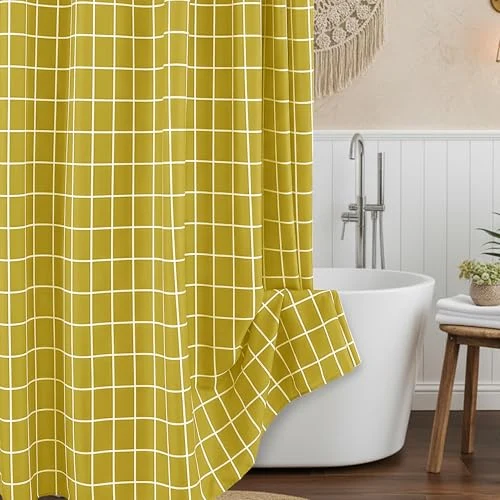
A polyester or cotton liner has more weight per square foot than a thin vinyl liner, so it resists the inward push better. Cotton absorbs water and gets heavier during the shower, which further stabilizes the panel. A heavy polyester liner drapes more like a curtain and less like a trash bag. The downside is that fabric liners need to dry thoroughly between showers or they grow mildew faster than vinyl.
PEVA is a middle option — it is a plastic liner that is slightly heavier and less static-prone than vinyl, but still wipes dry easily. If you want a low-maintenance liner that clings less than basic vinyl, a PEVA liner at 4 to 6 mil thickness is a solid budget pick. Our MDesign shower curtain roundup breaks down which PEVA liners actually feel heavier rather than just thicker on paper.
Maintenance Habits to Keep the Cling Away Long Term
Sticking is not always a physics problem; sometimes it is a cleanliness problem. Soap scum, mineral deposits, and dried shampoo residue make a plastic curtain tacky to the touch, so it grabs your skin even when there is no air pressure pulling it. A clean curtain feels slicker and lets water bead off rather than stick.
Clean the Curtain Monthly to Remove Soap Scum
Soap scum is a film of fatty acids and minerals that builds up on vinyl and PEVA surfaces. That film creates a slightly sticky texture that makes the curtain cling to wet skin. Wipe down the inside of the liner once a month with a mixture of white vinegar and water, or wash a fabric liner in the washing machine with a cup of baking soda. According to the EPA’s mold cleanup guidance, controlling moisture on household surfaces is the single most effective way to prevent mold, which also reduces the tacky film that attracts the curtain to your body.
A monthly wash lifts off the residue that everyday rinsing leaves behind. If your bathroom has hard water, clean every two weeks instead; the mineral buildup accumulates faster and makes the curtain feel rough and sticky.
Control Bathroom Humidity
High humidity keeps the curtain damp between showers, which makes it heavier but also stickier from bacteria and soap residue. Run the exhaust fan for at least twenty minutes after a shower, or leave the door open. A bathroom that stays above 60 percent relative humidity for hours at a time will make any curtain feel like it is huddling around you. Lower the humidity and the curtain dries smooth and light.
In a small bathroom without a window, a dehumidifier or even a small fan pointed at the open curtain can cut drying time significantly. The faster the liner dries, the less opportunity mildew and soap scum have to build a sticky film.
Replace the Liner Every Six Months
Even with diligent cleaning, a vinyl or PEVA liner eventually develops microscopic pitting and staining that makes it cling more aggressively. A liner that is more than a year old has likely lost whatever smooth surface it started with. Replacing a basic liner twice a year costs less than a takeout meal and solves the sticky-feeling problem completely. If you have a fabric liner, it can last a year or more with regular washing, but watch for thinning fabric that starts to billow too easily.
Our Amazon Basics shower curtain review looks at liners that balance weight, price, and resistance to soap scum buildup, which matters if you are tired of replacing the liner every few months.
Frequently Asked Questions
Why does my shower curtain always stick to me when I’m in the shower?
The venturi effect from the shower spray creates a low-pressure area inside the shower enclosure. The higher pressure outside the curtain pushes the flexible liner inward toward your body. Static electricity plays a small role in dry air, but the dominant force is air pressure. Redirecting the shower head angle or opening the bathroom door reduces that pressure difference.
What is the most effective way to stop a shower curtain from sticking to me?
The most effective single change is installing a curved shower rod that pushes the curtain three to six inches away from the spray. That extra distance lowers the air pressure on the curtain enough to stop most inward drift. Combine it with a redirected shower head and a cracked bathroom door for the best result. No amount of weights can match what a curved rod does for pressure relief.
Do shower curtain liners help prevent sticking, or do they make it worse?
A separate liner does not change the physics, but the liner material matters. A heavy polyester or cotton liner resists billowing better than a thin vinyl liner. A PEVA liner is a good compromise — heavier than vinyl but still easy to wipe down. Using a liner with a decorative fabric curtain on the outside gives you the weight of fabric plus the water resistance of plastic, which helps more than a single vinyl curtain alone.
Can I use weights or magnets on the bottom of my shower curtain to keep it from sticking?
Weights and magnets anchor the bottom hem to the tub’s edge, which stops the bottom from flipping inward. They do not stop the middle panel from pressing against your body, because the pressure difference affects the whole curtain surface. Use weights for the bottom flap, but solve the middle cling with a curved rod or redirected spray. Weights are a supplement, not a solution.
How often should I clean my shower curtain to prevent sticking from soap scum?
Clean a vinyl or PEVA liner with diluted vinegar or a mild bathroom cleaner once a month. In hard water, clean every two weeks. A fabric liner can go in the washing machine monthly with a cup of baking soda. Leftover soap scum and mineral deposits create a tacky surface that increases adhesion even without air pressure, so consistent cleaning keeps the curtain feeling slick and less grabby.
Is a fabric shower curtain better than a vinyl one for avoiding stickiness?
Fabric curtains, especially polyester and cotton, drape heavier and bellows less than thin vinyl. They also do not build up static charges as easily. The trade-off is that fabric liners require more thorough drying and washing to prevent mildew. If you want the anti-cling benefit without the maintenance, a thick 6-mil PEVA liner is a solid middle ground. Our Utopia Towels shower curtain roundup covers fabric options that hang straight and dry reasonably fast.