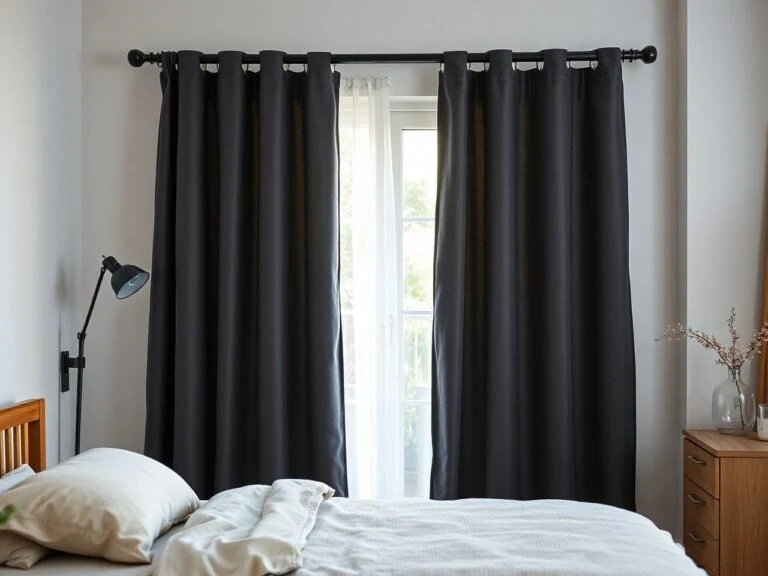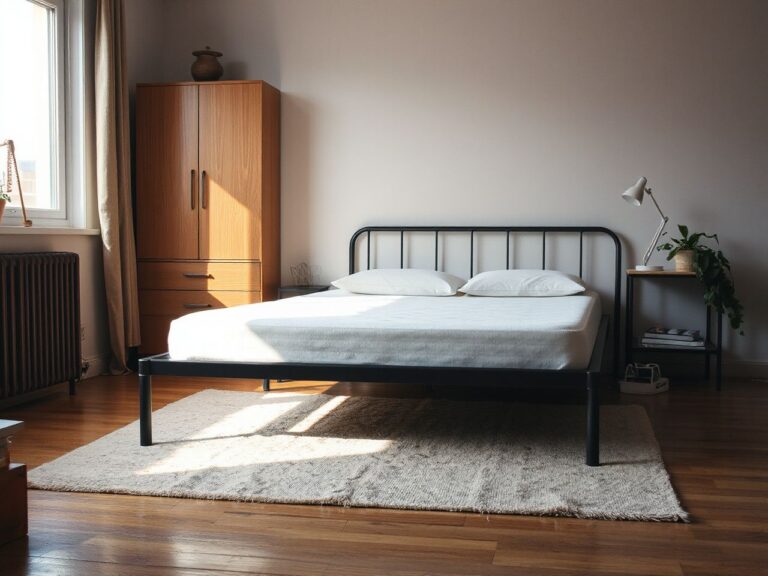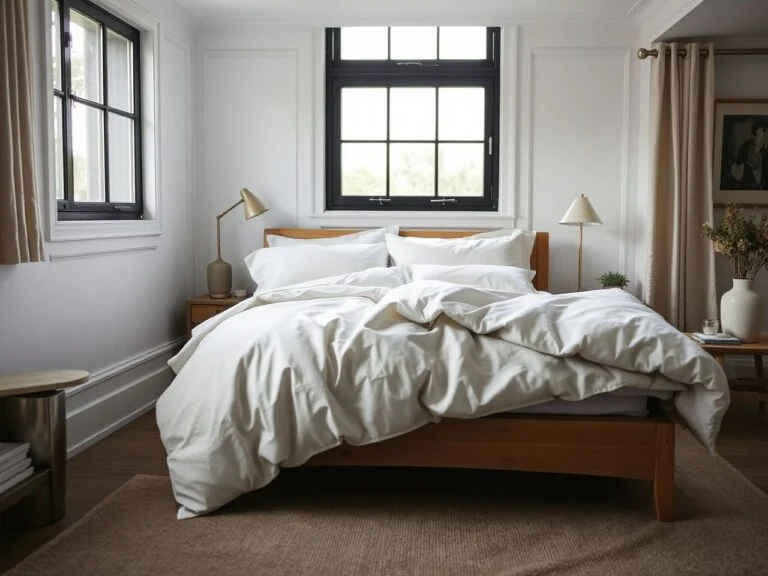
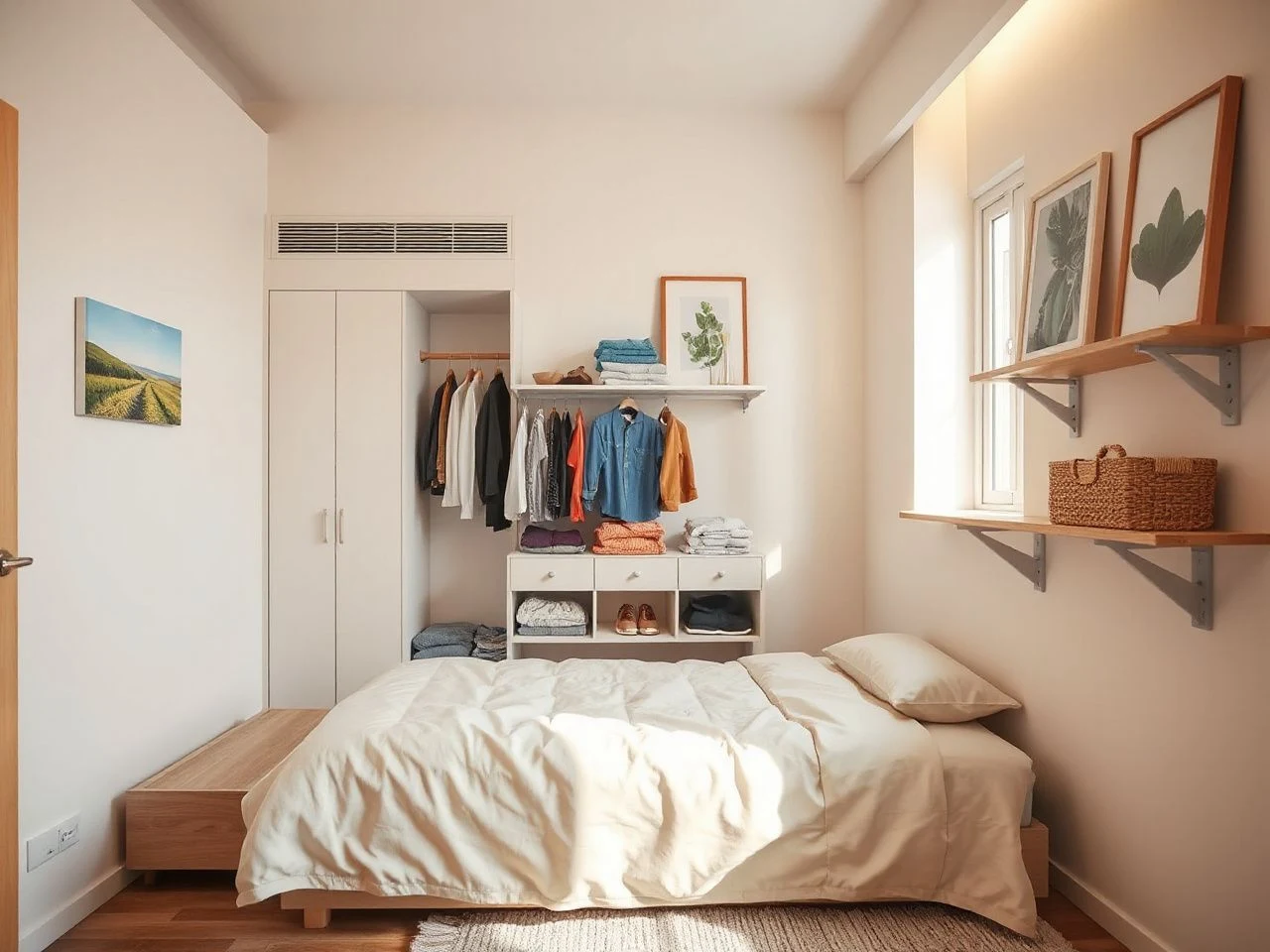
A wardrobe stuffed to the doors, a drawer that jams behind another, or a box under the bed that can’t be pulled out is storage capacity without usable access. Measure the opening first. The key difference is between how much space there is and how easy it is to reach what’s inside. A container only helps if you can actually get to, see, and put things away without moving a lot of other items.
Good bedroom storage separates everyday items from seasonal or rarely used belongings. It also considers wall construction, bed-frame compatibility, airflow, and circulation rather than treating every unused surface as storage. These bedroom storage ideas start with that distinction. Every addition should pass one practical test: can it come off the wall cleanly, without unnecessary damage or difficult repairs?
Key Takeaways
- Match storage to how often each item is used, not simply to the available empty space.
- Check wall fixings, bed-frame clearance, ventilation, and circulation before adding furniture or shelves.
- Keep stored textiles clean and completely dry, then use simple labels and repeatable zones to prevent disorder returning.
Bedroom Storage Ideas Begin With Access, Not Furniture
Step 1: Sort by frequency of use
Begin by dividing belongings into daily, regular, seasonal, and rarely used groups. Daily clothing should go in the easiest part of the wardrobe or chest of drawers. Spare bedding can sit higher or farther back. Keepsakes shouldn’t occupy the most accessible drawer.
A bedroom storage plan works best when the location matches how often you need to retrieve an item. If someone has to move a stack, open a second container, or clear the bed before reaching something used every morning, the setup will become untidy over time.
- Daily items: place them at hand height or in the top section of a wardrobe.
- Regular items: use accessible drawers, shelves, or a bedside table with drawers.
- Seasonal items: use labelled under-bed storage boxes or higher wardrobe space.
- Rarely used items: keep them away from doors, windows, radiators, and the main route around the bed.
Choose storage locations based on retrieval frequency. Difficult access encourages clothes and containers to gather on visible surfaces. That principle matters more than adding another piece of furniture.
Step 2: Measure the room by movement zones
Check the path from the bedroom door to the bed, wardrobe, window, and any drawers that need to open fully. Storage shouldn’t block doors, windows, radiators, ventilation routes, or hinder movement around the bed.
Use temporary objects to mark the swing of wardrobe doors and drawers before moving furniture into place. A small bedroom can feel more cramped when a chest of drawers fits but prevents the wardrobe from opening properly.
In a small bedroom layout, vertical space can be helpful, but height isn’t a free pass. Tall wardrobes, chests, and shelves should be secured to a wall to prevent tipping, using fixings suitable for the wall type.
Step 3: Choose open or enclosed storage
Shelves work well when the items are attractive, handled often, or easy to keep grouped. Drawers are usually better for clothing and small everyday objects because they hide visual clutter and protect the surface from becoming a display area. They’re more forgiving if you want a tidy look.
Open shelves need clear categories for each section. A shelf that holds spare cables, folded clothes, books, and toiletries might seem efficient at first. But, as more items are added, it becomes harder to find what you need quickly.
Enclosed storage needs clean and completely dry clothing and bedding before putting them away. Damp or soiled textiles can cause odours, mould, and fabric damage inside a closed container. Always check textiles before storage.
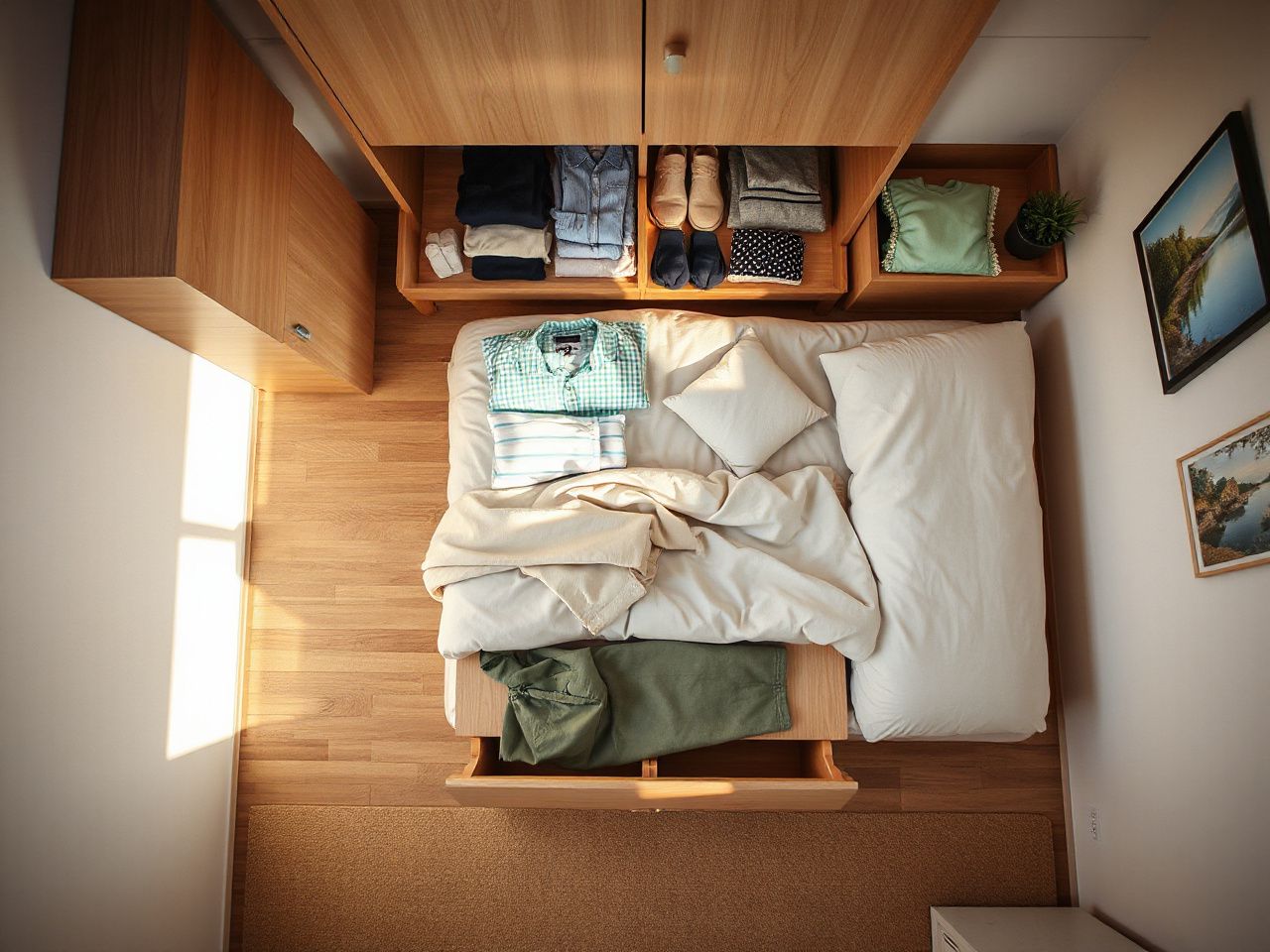
Choose the Right Storage Form for Clothes and Bedding
Wardrobes for hanging items
A wardrobe is best for garments that crease easily or are used often enough to deserve quick access. Keep the most worn clothing in the easiest section. Seasonal pieces can go higher up or into clearly labelled containers.
Don’t fill every gap just because the wardrobe has space. A tightly packed rail makes it harder to see individual garments. It can also cause clothes to slide onto a chair or the floor.
Wardrobe organisation is simpler when categories stay stable. Group clothing by purpose or type, then keep that arrangement consistent after laundry. Capsule wardrobe planning can reduce the number of active items, but storage still needs a clear place for less-used clothing.
Chests of drawers for folded clothing
Chests of drawers are practical for folded clothes, sleepwear, and smaller fabric items. Options with 5, 6, or 7 drawers are common. The best choice depends on how many categories the room can hold without creating half-empty or mixed drawers.
Use drawer dividers for small items that tend to slide into each other. Dividers are helpful only when each section has a clear purpose. Too many compartments can slow down putting laundry away.
Heavy items should be placed low down, and drawers shouldn’t be overloaded or used beyond their support. Roll-out shelf sliders with metal rollers are common in modern cabinets, but they need clear movement. Don’t force a drawer when it’s overfilled, or the slider could get damaged.
A chest of drawers only works well when each drawer can open fully and you can see what’s inside without emptying it. That’s a simple rule to follow before adding another unit.
Shelves for bedding and visible essentials
Wall-mounted shelves can hold folded bedding, books, or a few everyday items, but they need the right fixing method for the wall. A shelf can come off cleanly only when the bracket, fastener, and wall are treated as one system, not separate choices.
Wire shelves tend to sag under heavy weight because they lack structural strength. Keep heavier bedding low and use shelves for loads within their support limits. If a shelf bends, it’s already telling you the arrangement needs changing.
Tube shelving for lighter storage requires no cutting, measuring, or lots of parts. It can be quick to assemble, but you still need to check stability, wall contact, and the weight on each level.
Bedside tables for small daily items
A bedside table with drawers should hold items used at night or first thing in the morning, not act as a second wardrobe. Keep the top surface for items that need to stay visible and store cables, reading material, and personal objects inside drawers or designated zones.
Bedside storage shouldn’t block the route around the bed or interfere with a door, radiator, or ventilation. A smaller, accessible unit is more practical than a larger one that causes awkward movement.

Use Under-Bed Space Without Creating Hidden Problems
Check the bed frame first
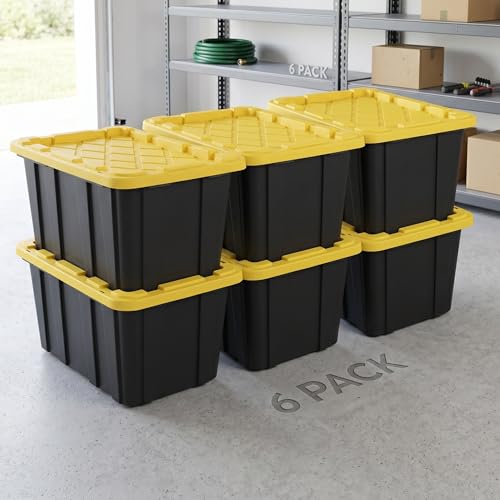
Under-bed storage boxes must fit the bed frame, floor clearance, castors, and any lift-up mechanism without obstructing movement or ventilation. The outside dimensions of a box are not enough; the frame may include supports, crosspieces, or moving parts that reduce the usable opening.
A slatted bed base needs special care because the space below might be part of the bed’s airflow system. Always check the bed instructions before putting containers under the slats. Keep boxes away from any mechanism that raises the mattress platform.
A lift-up bed requires a clear path for opening. Containers shouldn’t be placed where they could catch on the frame as it moves. Test the movement slowly and stop if you feel resistance.
Under-bed storage is good for clean, dry seasonal bedding, spare linens, and items not needed daily. It’s less suitable for things likely to be forgotten, damp, fragile, or used several times a day.
Control dust and identification
Use containers with secure covers if dust is a concern. But don’t turn the space into an unlabelled archive. Label each box clearly and keep a simple list inside the wardrobe if several boxes contain similar textiles.
Vacuum storage bags can reduce the volume of items, but they can also make it harder to check fabrics or retrieve things. They aren’t a substitute for clean, dry storage. Always check contents for odour, moisture, and fabric condition before packing.
Containers should not be pressed against vents, heaters, or other routes that need clear air flow. A bed might hide the storage, but this doesn’t eliminate the need for ventilation and safe access.
Under-bed storage should hold items that can tolerate infrequent handling and still be easy to identify. If you have to move several boxes before opening one, it’s more about concealment than practical storage.
Secure tall and wall-mounted storage
Tall wardrobes and shelves can become unstable if heavy items are placed high or if doors and drawers are opened unevenly. Secure tall furniture to a suitable wall, using fixings appropriate for whether the wall is solid, hollow, or supported by a stud.
The U.S. Consumer Product Safety Commission provides guidance on furniture tip-over prevention, including the need to anchor furniture where appropriate. Follow the furniture maker’s instructions and inspect the fixing point if the unit shifts, leans, or pulls away from the wall.
Wall-mounted shelves can come loose if the fastener isn’t right for the wall, or if the bracket isn’t seated properly. Overloading the shelf or repeated movement can weaken the fixing over time. A stud finder can help locate a good structural point, but you still need to confirm that the fixing and bracket are suitable for the wall and shelf.
ASTM International creates voluntary consensus standards for many products and practices; its information is available at ASTM.org. Always follow manufacturer instructions and safety guidance instead of assuming a general-purpose wall plug fits every shelf.
Make a Small Bedroom Feel Clearer, Not Fuller
Use the wall selectively
Vertical storage can save floor space, but covering every wall with shelves might make the room look cluttered. Use the most useful wall space for storage that replaces a larger floor-standing item. Keep routes to windows and doors clear.
An over-door organiser can make use of an often-overlooked surface for small, light items. Make sure the door still closes properly, and that the organiser doesn’t catch on the frame. Also check that the weight doesn’t make the door hard to operate.
Wall-mounted shelves work well above a desk, beside a wardrobe, or in another area where their contents can be reached without stepping into the main route around the bed. Avoid placing them where a person could strike them while getting in or out of bed.
Keep visual categories calm
Small bedrooms benefit from fewer visible categories. A closed wardrobe, a tidy shelf section, and a labelled under-bed box can hold more useful items than several open piles that need constant sorting.
Have one laundry area for items waiting to be washed and another for clean clothes not yet put away. Laundry storage gets disruptive when the bedroom floor has to be used for sorting.
Use matching labels or a consistent naming system for boxes, drawers, and wardrobe sections. Labels should clearly describe the contents, like spare bedding or winter clothes, instead of vague words like miscellaneous.
Protect circulation and maintenance access
Storage should leave doors, windows, radiators, and ventilation routes accessible. Furniture blocking a radiator can also make cleaning harder. A box pressed against a wall can be tough to check for dust or moisture.
Leave enough practical room for drawers and doors to open as intended. The exact clearance depends on the furniture, so judge it by the full opening movement rather than by the gap visible when the drawer is closed.
A clear floor route makes bedroom cleaning easier. Storage that creates a narrow obstacle course might hold more objects. Still, it will demand more effort every time you clean the room.
Prevent Bedroom Storage From Becoming Disorganised Again
Give every category a return point
Disorder happens when objects have no clear home or when their home is hard to reach. Assign each category a logical location based on how often you use it. Avoid changing the location casually.
Use one drawer for a broad category instead of mixing unrelated items. This is better than leaving space unused. If the drawer no longer closes easily, remove some contents first.
Storage stays neat when every item has a designated return point. Labels, drawer dividers, and accessible shelves work together to keep things organized. They aren’t just isolated accessories.
Review the system during ordinary routines
Check your storage when putting away clean laundry, changing bedding, or prepping for the next day. These routines can reveal if a drawer is too full or a shelf is too high. A seasonal box might be in the wrong spot, too.
Bedroom decluttering is more effective when done by category rather than on random surfaces. Remove items that don’t belong in the room and then move storage if the same categories keep ending up on the floor.
Check wall fixings and tall furniture after rearranging the room. A unit that was secure in one spot might need a different fixing point after being moved. This is especially true if the wall construction has changed between locations.
Account for upkeep and ongoing costs
Different storage forms create different maintenance demands. Drawers may need their runners kept clear, fabric boxes may need cleaning, shelves may collect dust, and vacuum bags may need inspection when stored textiles are retrieved.
Ongoing costs can include replacement labels, repair materials, new fixings after a move, or additional containers when a category grows. The exact cost depends on the storage system and the condition of the room. It’s wise to judge the full upkeep rather than only the initial purchase.
Low-maintenance setups usually have fewer specialized parts and provide clear access to every container. Storage that relies on a complex stack or hard-to-reach mechanism might save space but can create extra work whenever the room is reorganized.
For broader planning, the guide to Bedroom Storage and Organization: Practical Rules of Thumb can complement a room-specific plan. Those refining a whole-room scheme might also find the discussion of modern bedroom interior design and practical layout rules helpful.
Frequently Asked Questions
How do I choose bedroom storage that fits the way I use the room?
Start with how often items are used. Place daily clothing and bedside essentials in the easiest drawers or wardrobe sections. Seasonal bedding and rarely used items should go higher up or under the bed. Test the route from the door to the bed and check every drawer and door opening. A storage unit is only suitable if its contents can be reached and put back without shifting many other items.
What is safe and practical to keep under the bed?
Clean, fully dry seasonal bedding, spare linens, and rarely used belongings. Make sure each under-bed storage box fits the frame, floor clearance, castors, and any lift-up mechanism. Avoid blocking moving parts or ventilation routes, and label every container. Items needed daily, prone to moisture, or hard to identify belong somewhere easier to inspect.
Are drawers or shelves better for clothes, bedding, and everyday items?
Drawers work well for folded clothing and small personal items because they keep categories contained and easy to separate with dividers. Shelves suit bedding or visible objects that can stay grouped without cluttering. Heavy stuff should go low, and neither drawers nor shelves should be overloaded. Pick the storage type that makes it easiest to identify and return contents with minimal extra movements.
Why do wall-mounted shelves come loose, and how can I prevent that?
Common causes include unsuitable wall fixings, a poorly seated bracket, excessive weight, or repeated movement. Use a stud finder where appropriate, identify the wall construction, and select fixings that match it. Keep heavier items low and follow the shelf maker’s instructions. If a shelf shifts or pulls away from the wall, remove its load and address the fixing instead of adding another fastener at random.
Are vacuum storage bags suitable for clothes and bedding?
Vacuum storage bags can reduce bulk, but they make contents less visible and are not a solution for damp or dirty textiles. Clean and completely dry clothing and bedding before packing them. Label the bag, inspect the contents when retrieved, and avoid storing items in a place where moisture or restricted airflow could become a problem. Use ordinary labelled containers when frequent access matters.
How can I stop drawers, boxes, and wardrobes becoming disorganised again?
Give every category a fixed return point and keep that location matched to how often the items are used. Use drawer dividers for small groups, labels for under-bed boxes, and separate homes for clean laundry and items waiting to be washed. Review the arrangement during normal laundry and bedding routines. If a category repeatedly spills out, the location or capacity is wrong.
What should I check before using storage with a lift-up bed or slatted bed base?
Read the bed instructions and inspect the full movement of the frame before adding containers. Confirm that boxes do not catch on supports, obstruct the lift-up mechanism, interfere with the slatted bed base, or restrict ventilation. Move the frame slowly during the check and stop at any resistance. Under-bed storage should never prevent the bed from operating as intended.
How can storage add capacity without making a small bedroom feel cramped?
Use vertical space selectively, keep the route around the bed clear, and reserve visible shelves for a small number of organised categories. An over-door organiser can hold light items if the door still closes freely. Choose enclosed storage for visually busy belongings, and avoid blocking windows, radiators, ventilation routes, or wardrobe doors. Clear access makes a room feel more usable than maximum container volume.
Good bedroom storage is a working arrangement, not a contest to fill every gap. Start with access, keep heavy belongings low, secure tall or wall-mounted furniture properly, and choose containers that fit the bed and the room rather than forcing the room to adapt to them.