A modern bathroom often goes wrong in a predictable way: the tiles look refined, but glare, splash, visible grout, weak storage, and trapped moisture make the room tiring to use. Always evaluate it as a wet room as well as a visual composition. The most successful schemes coordinate tile scale, grout visibility, storage, lighting, and ventilation instead of just adding style at the end. The difference lies in finishes that support daily use through texture, maintenance, moisture tolerance, and installation, not just appearance. These modern bathroom decor ideas start with that distinction.
Key Takeaways
- Choose finishes for moisture, cleaning, waterproofing, and visual warmth before choosing accessories.
- Layer ceiling, mirror, and task lighting so a clean bathroom remains comfortable rather than stark.
- Coordinate the vanity, shower screen, storage, grout, ventilation, and hardware as one working room.
Modern bathroom decor ideas should begin with the wet room
Decorative decisions come after the water-management plan. Floors, walls, and ceilings need surfaces that are easy to clean and resistant to water. The waterproofing behind tile and around shower areas deserves more attention than the visible finish. A beautiful surface won’t prevent moisture from seeping behind it.
Start with waterproofing and ventilation
Tile is a finish, not a complete waterproofing system. The shower area needs a properly planned waterproof layer behind the visible surface. Pay attention to joints, corners, penetrations, and how the floor connects to the wall. Ask the installer where water is directed and how the drain area is formed before choosing a tile pattern.
A bathroom exhaust fan reduces condensation, mildew, and deterioration of painted or joined surfaces by removing damp air. Ventilation should work with the room layout, not be treated as an afterthought hidden by a decorative ceiling. The U.S. Consumer Product Safety Commission provides consumer safety information about household electrical products, so electrical work and bathroom fixtures should be assessed with safety guidance in mind.
Bathroom ventilation is part of bathroom decor because persistent condensation alters how paint, grout, mirrors, and metal fixtures look. A room that photographs well but holds damp air is practically unfinished.
Choose a material family before choosing a color
Porcelain wall and floor tile provides a clear, orderly surface that can support a restrained modern scheme. Large-format tiles reduce visible joints, which can make a wall feel calmer, but the layout still needs to fit corners, niches, drains, and the room’s shape. Fewer grout lines don’t eliminate the need for careful installation.
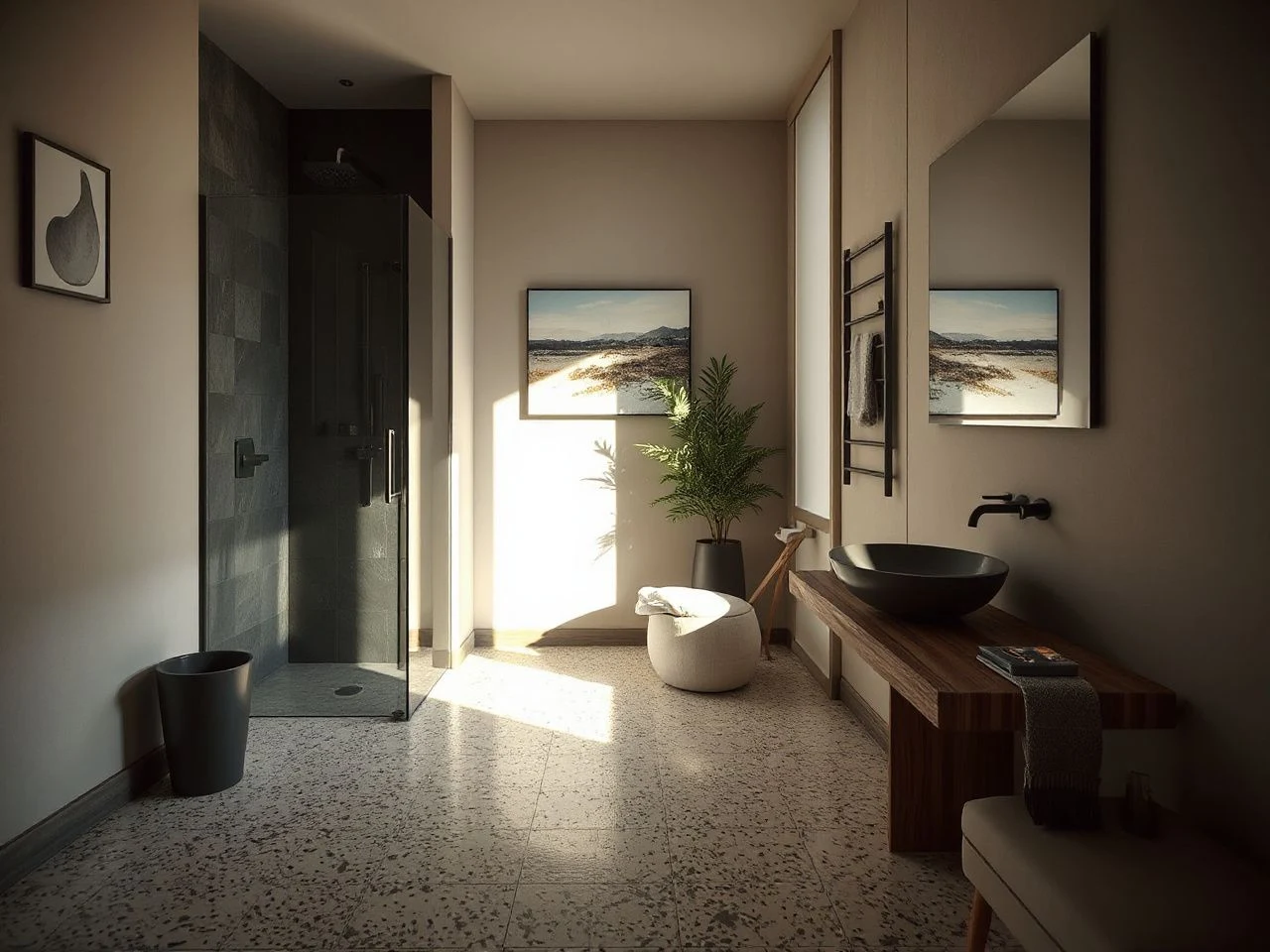
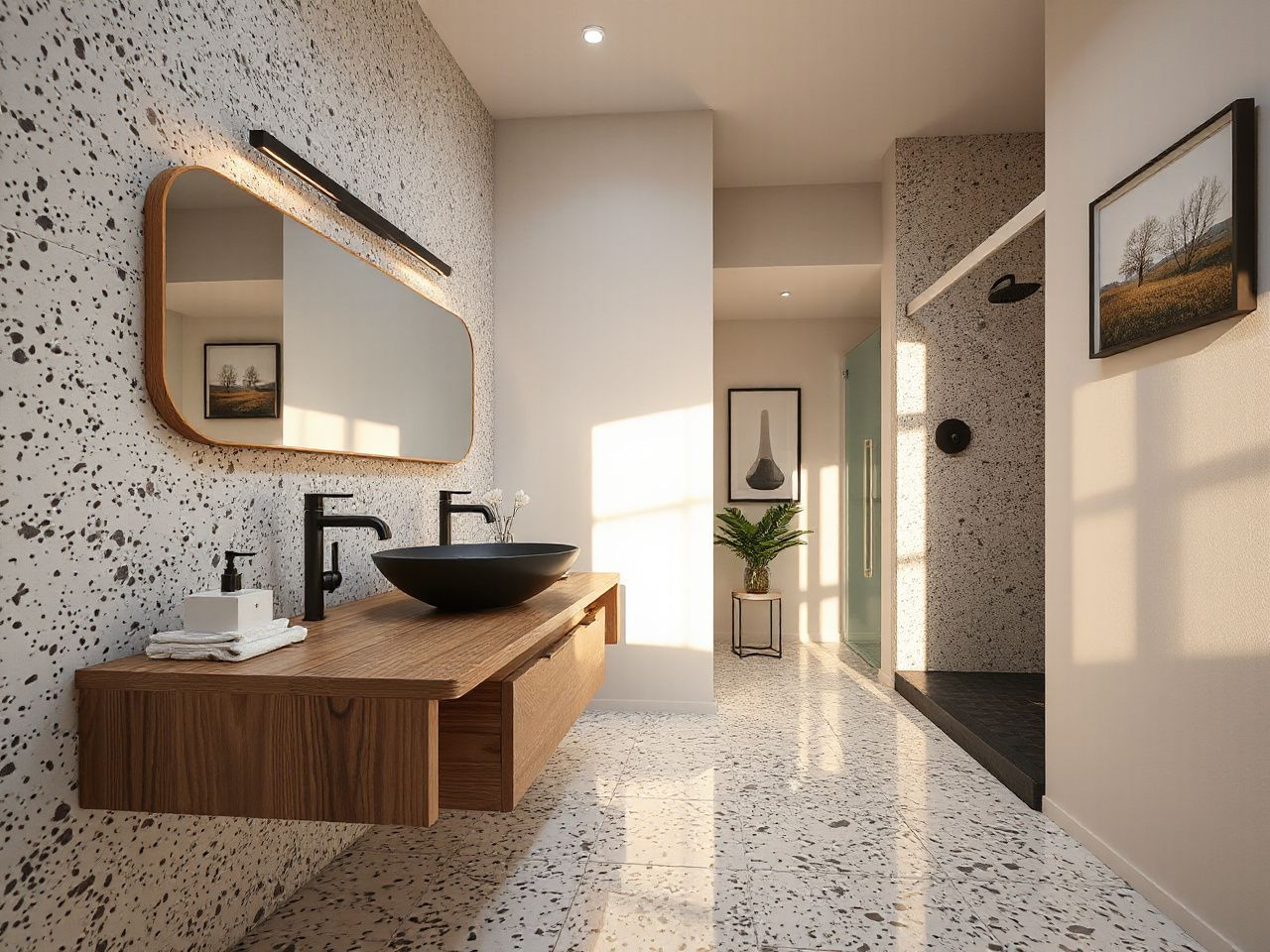
Terrazzo tile adds visual movement through its aggregate pattern, so the rest of the room can stay quiet. It works well with simple wall treatments, a restrained vanity, and lighting that avoids harsh reflections. A busier floor needs a calmer background.
Microcement creates a continuous-looking finish that can suit an ultra modern bathroom, but its appearance depends on correct preparation, moisture suitability, sealing, and ongoing care. Sealing and maintenance may be needed for a porous or decorative finish, so it’s best to confirm with the manufacturer and installer. The smooth appearance shouldn’t be mistaken for low maintenance by default.
ASTM International develops voluntary consensus standards for materials and construction practices. Its public information at ASTM.org is a helpful resource. It explains why material performance should be checked against documented requirements rather than judged from a sample alone.
Make a cold palette feel inhabited
White, stone, gray, charcoal, clay, muted green, and warm beige can all work in a modern bathroom color scheme. The room feels cozy when cool finishes are balanced by textured surfaces, warmer lighting, timber-toned details, or a carefully selected wall color.
Moisture-resistant bathroom paint is handy on areas outside direct spray zones. It’s especially useful where a fully tiled wall might feel visually heavy. Paint should be chosen for the bathroom environment and kept away from spots that get repeated direct water unless the system is rated for that use.
Warmth in a bathroom also comes from proportion. A pale wall, a darker floor, a softly colored vanity, and brushed brass fixtures can add depth without filling every surface with decoration. Repeating a small warm note often feels more intentional than multiple unrelated accents.
Build the visual composition around light
Most rooms get lighting fixtures installed before furniture placement, and bathrooms should be no different. A bathroom can have great tile but still feel unwelcoming if the face is shadowed, the mirror glints with glare, or the only light source is a hard ceiling fixture.
Use three lighting roles
General lighting provides an even base for the room. Task lighting is essential around the mirror, where clear, balanced illumination is needed for face work. Accent lighting can highlight wall textures, niches, shelves, or architectural details without relying on one fixture for every purpose.
- Place useful light at the mirror rather than relying only on a distant ceiling source.
- Use a backlit bathroom mirror to add a gentle layer behind the reflective surface, while checking that its electrical installation suits the wet area.
- Keep decorative light away from direct spray unless the fixture is designed and protected for that location.
Bathroom lighting and electrical fixtures must have proper wet-area protection. Lighting with an IP rating is essential in a bathroom, and the fixture instructions should specify where the fitting can be installed. A qualified electrician can interpret local requirements instead of relying on appearance alone.
Light color influences how materials look. A blue-leaning source can make beige tile appear gray, while a warmer source can soften white walls and brass fixtures. Check the entire palette under the lighting that will actually be used, including the mirror light.
Use reflection with restraint
Mirrors help a small room feel more open by extending the visible space, but large reflective surfaces can also double glare and water spots. A backlit bathroom mirror creates a floating effect, while a framed mirror can add a warmer material boundary.
Secure installation is crucial for heavy mirrors and fixtures. The wall support, fixing method, and weight of the item need to match what’s behind the finish. A mirror shouldn’t be treated like a lightweight picture just because it’s mounted above a vanity.
Let hardware repeat a quiet detail
Brushed brass plumbing fixtures add warmth to a palette without requiring the bright shine of polished metal. Black, chrome, and muted metallic finishes can also work. The room generally feels more cohesive when the same hardware tone is used across the faucet, shower controls, cabinet pulls, and small details.
Don’t force every metal to match. A dominant finish can establish order, while a secondary one might appear in a mirror frame or light fitting. The key is to repeat the relationship intentionally.
Choose the right layout for comfort and maintenance
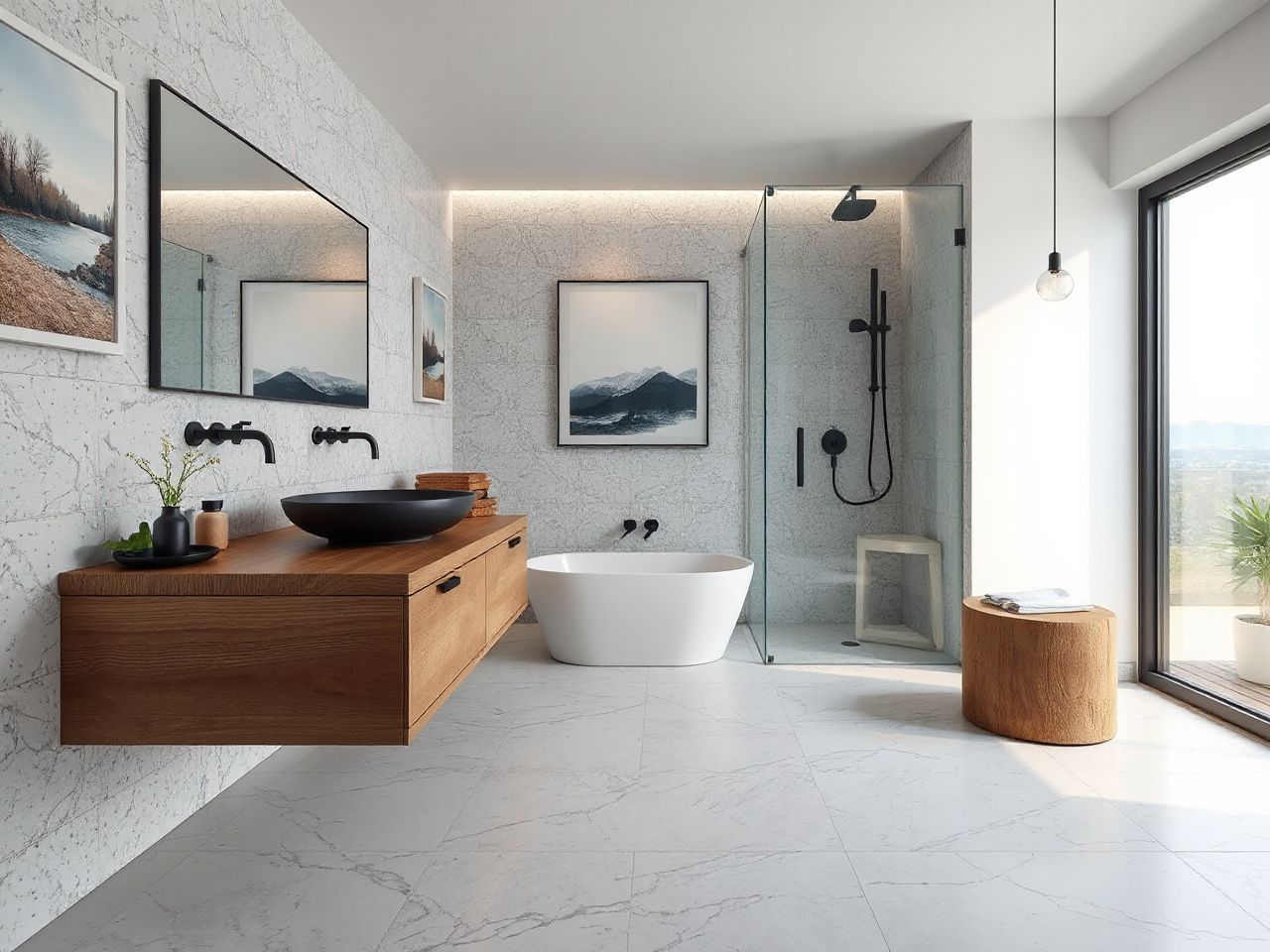
Modern appearance depends heavily on empty space, but empty space must remain useful. A wall-hung vanity can make a small bathroom look bigger because the visible floor continues beneath the cabinet and the room has less visual weight at eye level. The effect is strongest when the open area is kept clear rather than filled with storage baskets.
Wall-hung vanities and floating shelves
A wall-hung vanity needs proper wall support, secure fixing, and careful planning with plumbing. The concealed pipework and fixing points should be sorted before closing the wall. Floating bathroom shelves also need solid support, especially if they’ll hold bottles, towels, or decorative objects.
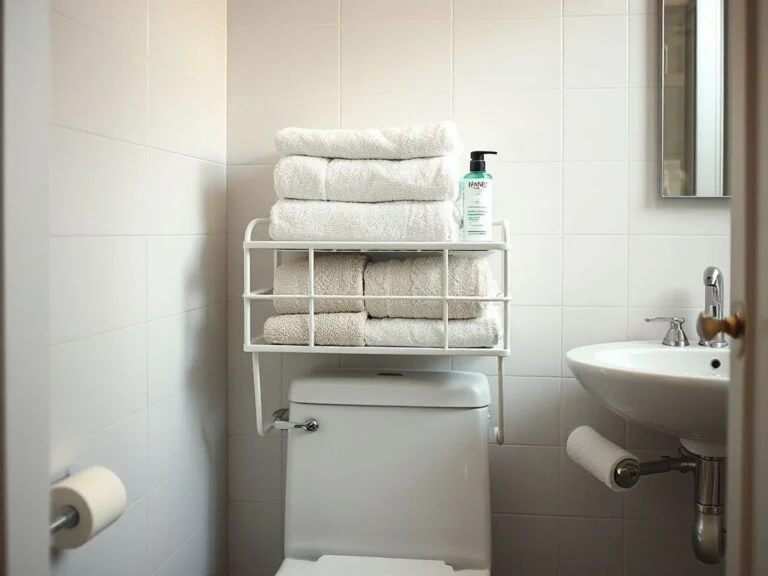
Open shelves work best when they hold a controlled amount of useful items. Folded towels, a small vessel, or a neatly grouped set of daily essentials can add warmth. Too many visible containers turn a clean look into a storage display.
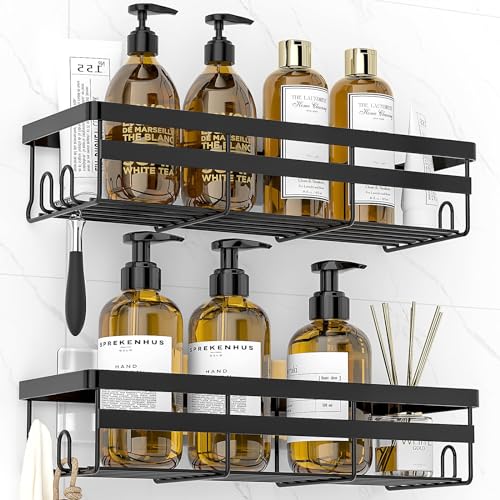
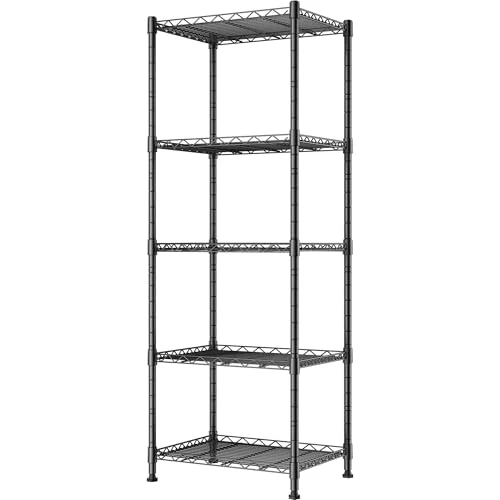
In a small bathroom, use the wall above the vanity, the space beside the mirror, and near the shower for planned storage. Avoid adding furniture that narrows movement. Good storage solutions keep everyday items accessible while hiding clutter.
A wall-hung vanity makes the floor feel more continuous, but it doesn’t add storage on its own. Cabinet volume, door clearance, plumbing placement, and wall support all determine whether the setup works.
Open showers and frameless glass
A frameless glass shower enclosure can make a bathroom look lighter because the sightline passes through the shower zone. Open showers and frameless glass can also increase splash when the screen position, shower direction, drainage, and ventilation do not work together. Measure the opening first.
Check the layout from where water leaves the shower. The screen should interrupt the main splash path, and the floor should guide water toward drainage. The entry shouldn’t send wet traffic across the vanity or toilet. A walk-in shower needs practical planning, not just a wide, empty opening for the photo.
Glass needs a realistic cleaning plan. The more open and reflective the enclosure, the more visible droplets, soap residue, and marks are. Keep a simple squeegee nearby, and ensure surfaces are accessible. Good ventilation matters more than decorative hardware.
Use floor heating as part of the plan
Wetrooms are waterproof spaces often fitted with a shower and designed for compatibility with underfloor heating systems. Radiant hot-water tubing under the floor surface or resistive electric mats beneath the tiles can heat floors. The heating plan needs to be coordinated with waterproofing, tile, controls, and electrical work before installation.
Floor heating does not replace a sound surface or a good ventilation plan. It can support comfort, but the visible floor still needs to be water-resistant, easy to clean, and appropriate for the chosen wet-room construction.
Make maintenance part of the design
The easiest modern bathroom to maintain has fewer awkward joints, reachable surfaces, suitable finishes, and enough ventilation. A finish that looks natural might need more care if it’s porous, textured, or depends on sealing.
Grout, tile, and microcement
Grout visibility changes the character of a tiled wall. A close color relationship between tile and grout produces a quieter field, while contrast emphasizes the grid. Both can work, but highly visible grout creates more visual lines and asks the cleaning routine to remain consistent.
Large-format porcelain tile can reduce the number of joints, although its installation still involves cuts and corners. Terrazzo tile can disguise some small visual variation through its pattern, but its surface requirements should be checked before installation. Microcement can appear continuous, yet its sealing and care requirements make the installation system especially important.
Porous materials often need sealing and ongoing care to prevent staining and moisture problems. Natural-looking doesn’t mean maintenance-free. Ask for written cleaning instructions and approved products. Check where direct water is allowed.
Glass, brass, and painted walls
Glass looks calm when water and soap residue are cleaned before they build up. Brushed brass fixtures need cleaning instructions suitable for their finish. Abrasive products can alter their surface. Painted walls benefit from ventilation and quick attention to condensation.
Keep cleaning tools nearby but out of sight. A concealed cupboard, vanity drawer, or small shelf can hold daily-use items without cluttering the space. Bathroom decor ideas work best when art or objects are away from direct spray and don’t block access for cleaning.
Ventilation protects the finishes as well as the air in the room. Condensation left on paint, grout, glass, and metal gives deterioration more opportunity to appear, so the exhaust fan should be included in the daily operating routine and kept clear according to its instructions.
Compare maintenance honestly
Tile maintenance usually involves grout and joints, while microcement relies on its surface system, sealing, and repair. A terrazzo look can hide small marks differently from a plain surface, but care depends on the specific material and finish.
There is no universal low-maintenance winner. The cost of maintaining natural-looking finishes, tile, or microcement depends on the installed system, the manufacturer’s instructions, the amount of water exposure, and how easily the surface can be reached. Choose the finish whose care routine fits the household rather than the finish with the quietest photograph.
Decorate without losing the clean modern look
Decoration should add warmth, scale, or function. It should not cover every empty wall. A bathroom feels modern when the room has visual breathing space and each visible object has a reason to be there.
Add texture through controlled contrasts
Pair a smooth wall with a textured towel, a plain tile with a patterned floor, or a simple vanity with a warm mirror frame. Strongest combinations usually control contrast rather than multiplying it everywhere.
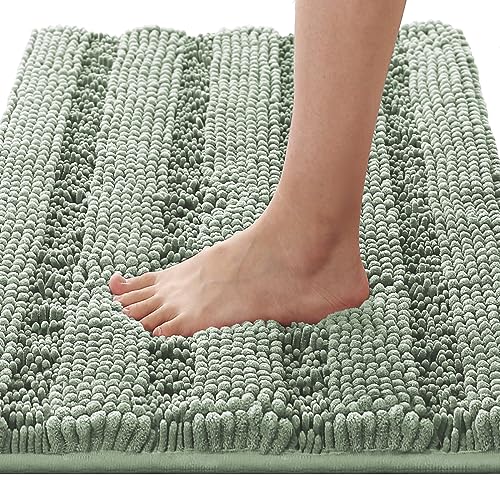
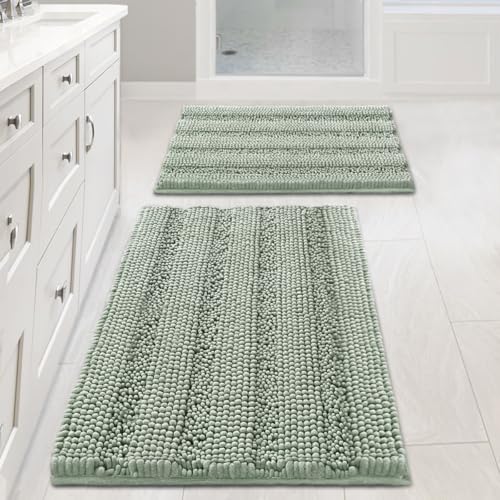
Soft textiles can keep a gray or white scheme from feeling clinical. Timber-toned accessories, woven storage, and muted ceramics can add warmth, but materials placed near direct water must be suitable for prolonged moisture or protected from repeated wetting.
Modern farmhouse influences can soften a contemporary bathroom through restrained texture and familiar shapes. For a specific blend of rustic detail and current lines, see these modern farmhouse bathroom ideas. Just make sure the decorative layer doesn’t interfere with waterproofing or cleaning.
Use wall decor with a wet-area boundary
Art and decorative objects should go on dry walls where they can be viewed and cleaned easily. A framed print near a vanity can add color, while a shallow shelf can hold one or two useful objects. Heavy mirrors and fixtures need secure installation, and every wall-mounted piece should be checked against the support behind the finish.
Half baths offer more freedom because a powder room contains only a sink and toilet, while a full bathroom typically contains a sink, toilet, and bath or shower. In a smaller room, the distinction affects which walls receive direct moisture and how much decoration can be safely introduced. These half bathroom decor and accessory rules can help separate dry-zone styling from wet-room planning.
Fix the mistakes that make a bathroom look dated
- Using one bright ceiling source and leaving the mirror in shadow.
- Choosing a dramatic finish before checking moisture tolerance and cleaning instructions.
- Installing open shelving without deciding what will remain visible.
- Using an open shower layout without mapping splash, drainage, and ventilation.
- Mixing several unrelated metal finishes without a repeated visual connection.
- Ignoring wall support before mounting a floating vanity, shelf, mirror, or fixture.
Modern design isn’t about a specific color or decade. Instead, it’s about clear decisions. A restrained bathroom can feel warm through lighting, texture, scale, and useful storage. It remains easy to clean too.
Frequently Asked Questions
How do I make a modern bathroom feel warm rather than cold?
Start with layered lighting. Then add warmth through a muted wall color, textured textiles, a timber-toned detail suitable for the room, or brushed brass plumbing fixtures. Keep the main surfaces calm so the warmer elements stand out. A backlit bathroom mirror and a controlled palette can soften white or gray tile without creating visual clutter.
Which finish is easier to maintain: large-format tile, terrazzo, or microcement?
No finish is automatically easiest. Maintenance depends on the installed system and water exposure. Large-format tile can reduce visible joints, terrazzo may hide small marks with its pattern, and microcement can require careful sealing and approved cleaning. Ask for written care instructions before choosing, and give waterproofing and ventilation the same attention as the visible surface.
Does a wall-hung vanity make a small bathroom look bigger?
A wall-hung vanity can make the floor look more continuous and reduce visual weight near the ground. This can make a small bathroom feel more open. The vanity still needs enough support, coordinated plumbing, and enough storage for daily use. Keep the open floor clear, or the visual benefit gets lost beneath baskets and loose items.
What usually goes wrong with frameless shower enclosures?
The common mistake is picking the glass before checking the water path. A frameless enclosure or open shower can cause more splash if the screen, shower direction, drainage, and entry route don’t match. Measure the wet and dry zones first. Make sure the floor guides water properly, and add ventilation to prevent dampness on the finishes.
These modern bathroom decor ideas usually follow a sequence: protect the room from water, plan the lighting, select finishes for their durability, and then add warmth and personality. The visual appeal depends on those practical choices.