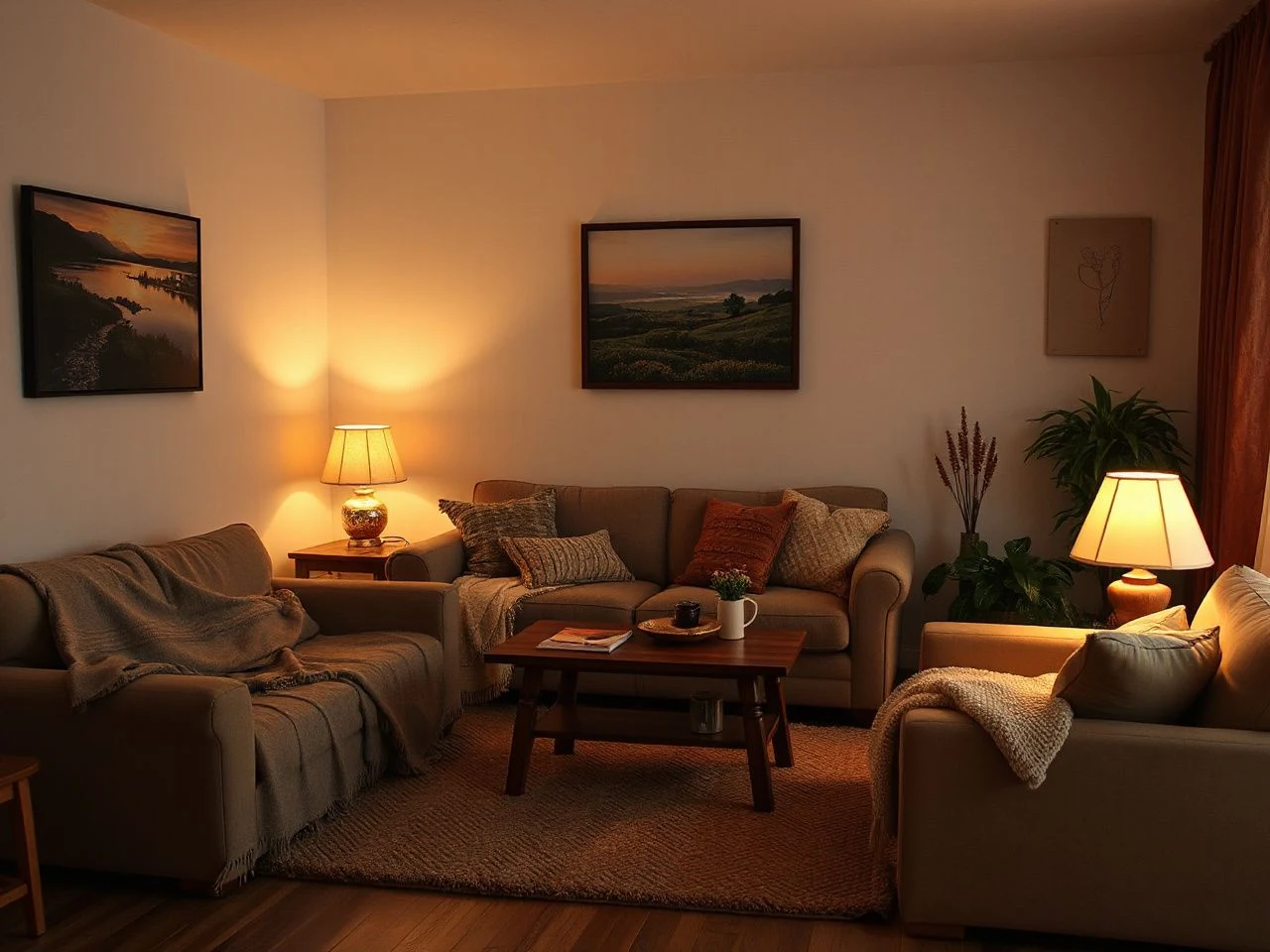
A limit of 3 cushions on a sectional corner is a useful reminder that comfort depends on editing, not accumulation. Cozy decor works through a balance of soft texture, warm light, visual enclosure, and usable empty space; adding more cushions or ornaments alone can make a room feel crowded rather than comfortable. The strongest cozy home decor ideas coordinate lighting, tactile materials, color, and furniture placement with natural light and circulation, while keeping maintenance and fire safety in view.
Key Takeaways
- Build warmth with layered lighting, tactile materials, and clear circulation.
- Use a restrained color palette so soft furnishings do not make the room feel dark.
- Judge flat-pack furniture by its hardware, fixings, and stability before its finish.
- Keep textiles clean, dry, and safely away from heaters, candles, cords, and walking paths.
Cozy Home Decor Ideas Begin With the Room’s Structure
The quickest way to make a room feel more comfortable is to study what already controls its mood. Natural light, ceiling height, window position, hard surfaces, and the route through the room all matter before a cushion or throw enters the plan.
Start with circulation and usable empty space
Furniture should create a place to settle without forcing people to step around every chair or table. Leave a clear route between the door, seating, storage, and the room’s main light source. Empty space gives textured pieces room to register, so a wool throw looks intentional rather than lost among competing patterns.
Usable empty space keeps cozy rooms comfortable because people can move, sit, clean, and open storage without shifting the decor. This principle matters even more in small-space decorating, where an extra side table can make a room feel cramped instead of sheltered.
Use a quick floor-plan check before moving heavy furniture. Mark the main walking route with removable tape, then consider whether cabinet doors, drawers, and curtains can open without colliding. A room may contain fewer pieces after this check, but the remaining pieces will have a clearer purpose.
Choose a color palette that stays warm, not gloomy
A cozy palette does not need to be dark. Begin with one quiet base color that reflects the room’s natural light, then add warmth through wood, woven materials, muted earth tones, or a deeper accent on a smaller surface. Cream, clay, soft brown, dusty green, and warm gray can work as families of color without turning the room into a themed set.
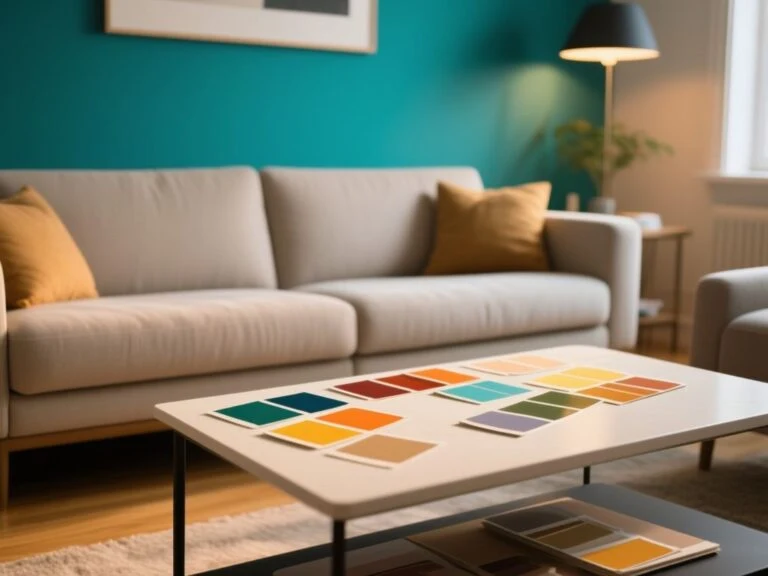
Look at the room during its brightest natural-light period before choosing paint, curtains, or large upholstery. A color that looks gentle beside a sunny window may feel heavy in a shaded corner. Keep the ceiling and larger uninterrupted surfaces lighter when the room already receives limited daylight, and place deeper color where it can create visual enclosure without swallowing the whole space.
The best palette usually repeats a color in small, quiet ways rather than assigning every object a new shade. A cushion can echo the tone of a rug; a ceramic piece can relate to a curtain; natural wood can bridge warm and cool colors. Repetition creates calm, while too many unrelated accents produce visual noise.
For a more detailed look at how style choices affect a finished room, read the guide to types of home decor and their final effect. The useful distinction is not between expensive and inexpensive rooms. It is between choices that support one another and choices that compete.
Balance soft textiles with hard surfaces
Soft furnishings need firm visual counterpoints. A wool throw over a structured chair feels considered beside natural wood, glass, or a restrained metal surface. If every visible object is plush, fringed, or heavily patterned, the room can lose definition and become tiring to maintain.
Use an area rug to soften the seating zone, then let a hard floor or wood table provide a clean edge. Add cushions in varied textures rather than covering every surface. Linen curtains can soften windows while preserving a sense of height, and woven baskets can introduce texture while giving small items a defined home.
Hard surfaces give soft furnishings visual structure, so a cozy room should contain both tactile comfort and clear, easy-to-read edges. This balance also helps with cleaning because not every surface becomes a fabric surface that collects dust, hair, or crumbs.
Choose mixed materials instead of perfectly matched furniture
Matching furniture can make a room feel orderly, but a completely coordinated suite may look flat. Mixing materials usually creates more depth: natural wood can sit near woven fibers, painted surfaces, glass, or a modest metal detail. The mix should share a common thread, such as a related color temperature, shape, or level of visual weight.
Flat-pack furniture deserves a separate check. Judge flat-pack by its hardware, not its finish. Inspect the fasteners, joints, back panel, hinges, drawer runners, and wall-fixing points before judging whether the surface looks attractive. A convincing finish cannot compensate for a loose joint, missing fixing, or cabinet that rocks after assembly.
Read the assembly instructions before placing the unit in the room. Keep the small hardware together, tighten fixings in the order given, and check that doors and drawers align before loading the furniture. A piece that looks warm and useful in a photograph can become a source of daily irritation if its hardware does not hold the structure square.
Layer Lighting for Warmth and Practical Use
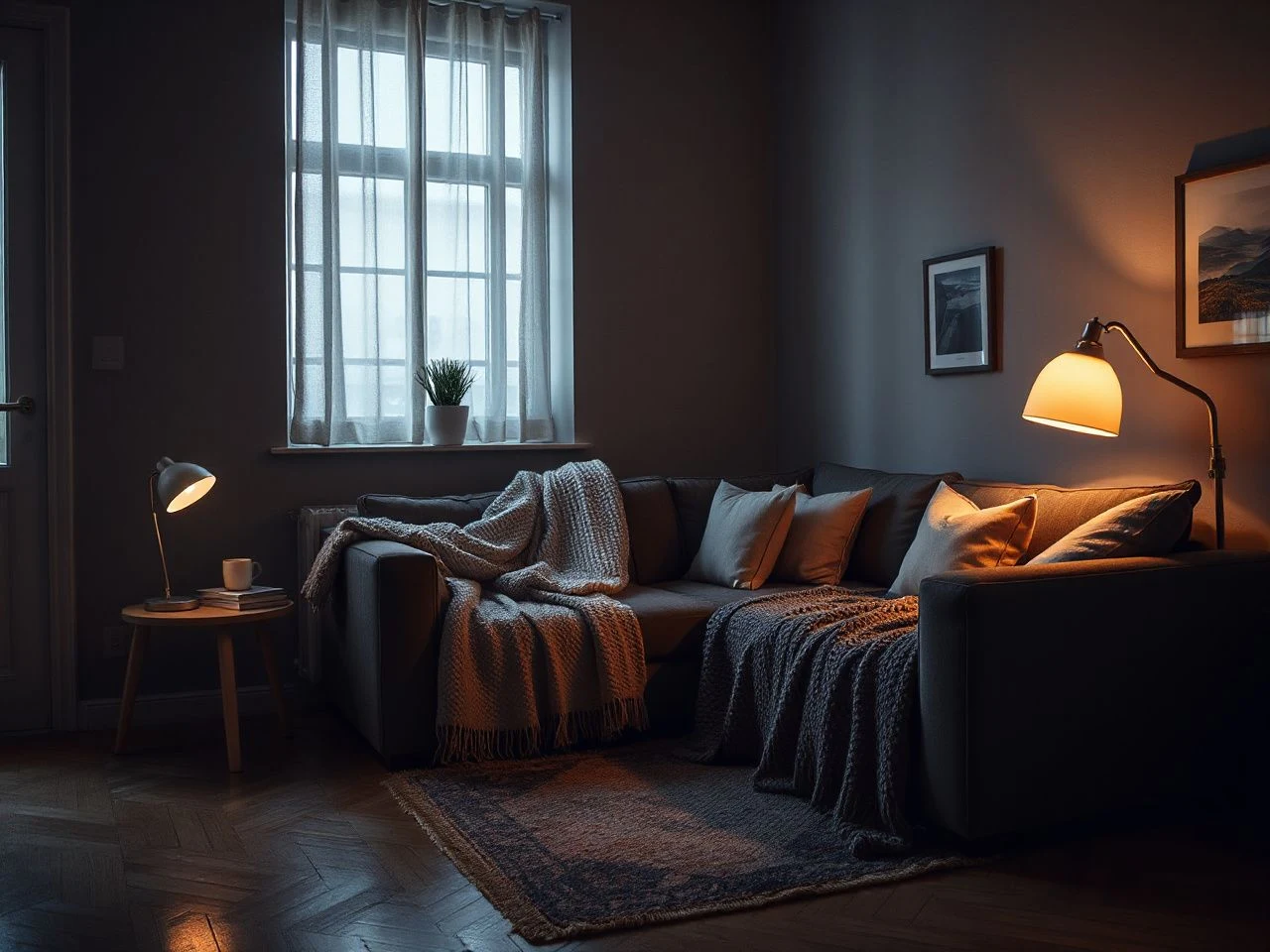
A single ceiling fixture often makes a room feel evenly lit but emotionally flat. Layered lighting gives the eye brighter working areas and quieter edges, which creates the sheltered feeling associated with a cozy room without making every corner dim.
Combine ambient, task, and accent sources
Ambient light supports general movement through the room. Task light helps with reading, sewing, paperwork, or another focused activity. Accent light draws attention toward a wall, artwork, shelf, plant, or architectural feature. Layering means giving these roles different sources rather than simply adding more lamps.
Warm white LED bulbs can support a gentle evening mood, while a brighter task source can sit beside a chair or desk. Dimmable table lamps and floor lamps make the transition from daytime activity to quieter evening use more controlled. Dimmable bulbs need compatible dimmer switches, so check the bulb and switch information together before installation.
Layered lighting makes a room feel cozier by giving ambient, task, and accent sources separate jobs. A table lamp beside a reading chair should illuminate the activity, while a lower accent source can keep the surrounding room from becoming a dark void.
Place lamps where their light is useful rather than where an empty surface happens to be available. A floor lamp can fill a tall, dim corner, but its cord needs a safe route. A table lamp can create a pool of light beside seating, though a crowded side table may lose the clear surface needed for a drink or book.
Use natural light as part of the plan
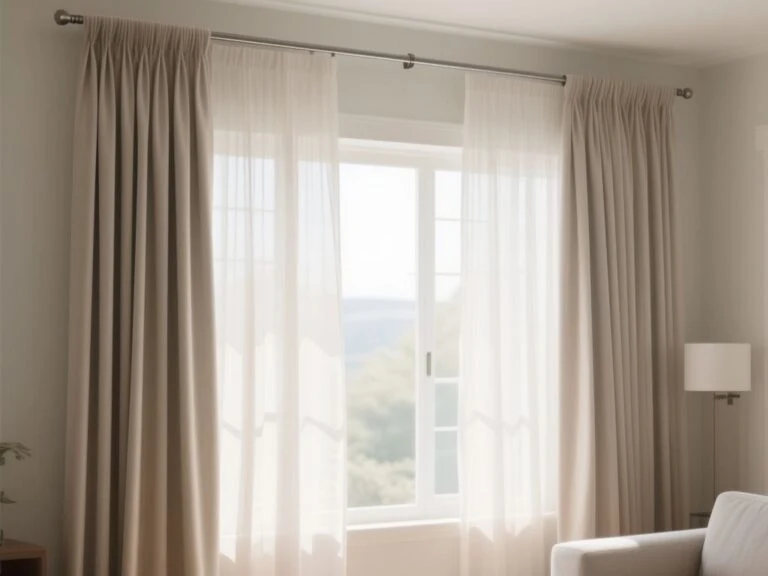
Linen curtains can filter a bright window and make the room feel softer without blocking all daylight. Keep the fabric’s fullness and drop visually simple if the room is already busy. Curtains should frame the window rather than create another large pattern competing with rugs and upholstery.
In a darker room, reflective surfaces can help distribute available light, but too much gloss may make the space feel cold. A small glass surface, pale wall, or lightly finished wood can provide reflection while preserving the tactile quality that makes the room restful.
Keep lighting safe around textiles
Keep curtains, throws, cushions, and other soft furnishings clear of radiators, heaters, candles, and open flames. The U.S. Consumer Product Safety Commission provides consumer safety information on household fire and electrical hazards, so its guidance is a suitable reference when arranging lamps, heaters, and combustible decor.
Keep lamp cords out of walking paths and away from places where furniture can pinch them. Secure rugs with suitable rug pads to reduce movement and slipping. A warm room is not successful if its lighting layout creates a trip hazard at the route people use most.
Build Texture Without Creating Clutter
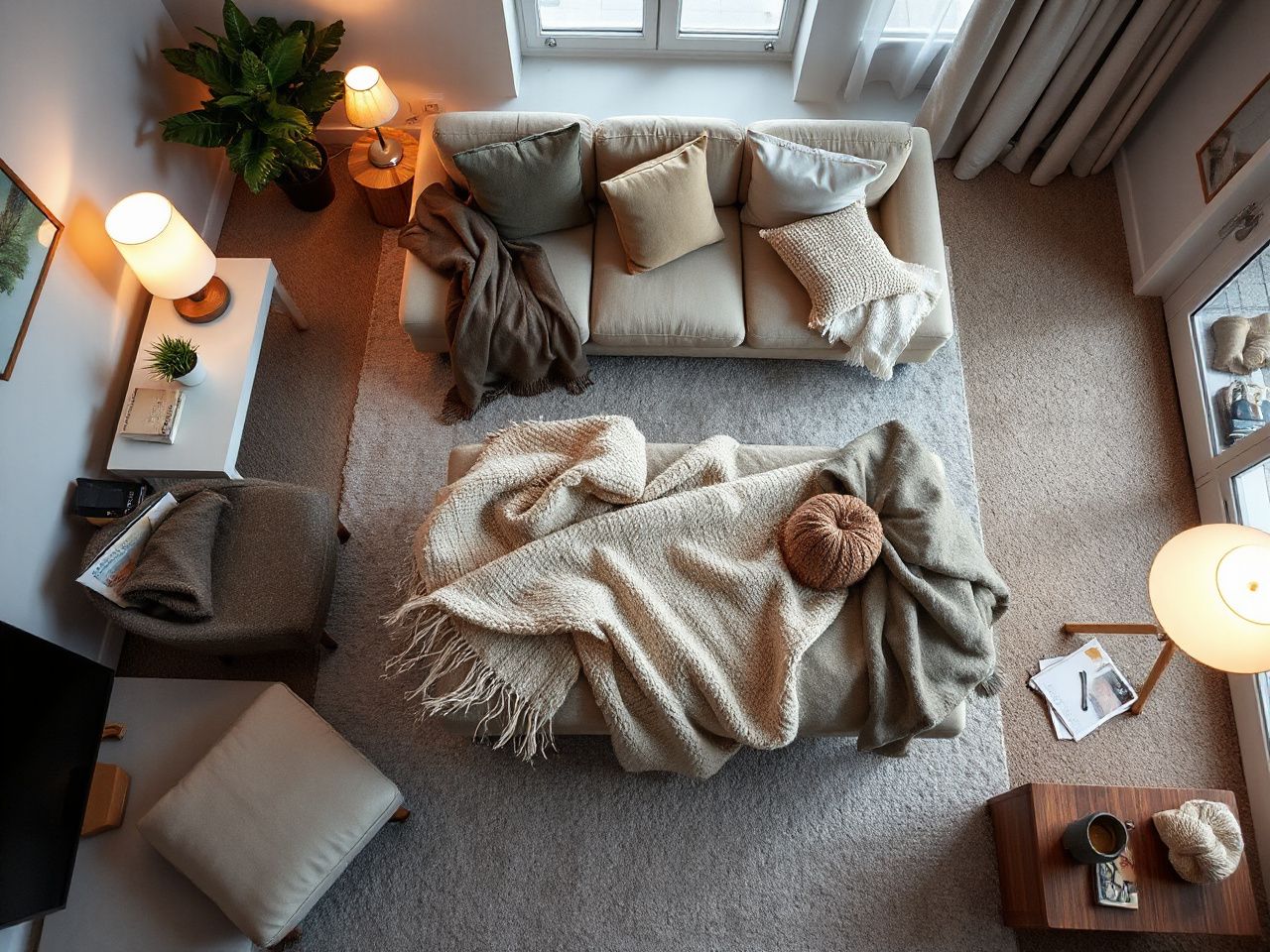
Texture gives a room physical and visual warmth, but texture needs hierarchy. Choose one noticeable tactile layer for the floor, one for seating, and one near the window or storage area, then allow some plain surfaces to remain visible.
Use rugs, throws, and cushions with restraint
An area rug can group seating and soften the visual transition between furniture and floor. Its pattern should relate to the room’s color palette, while its placement should support the seating arrangement instead of stopping awkwardly in the middle of the conversation area.
Wool throws add weight and warmth to a chair or sofa, but they do not need to cover the whole piece. Fold one over an arm or place it where someone will actually reach for it. Cushions can support posture and add color, yet a sectional corner with more than the preferred limit of 3 may become difficult to use and maintain.
An area rug should define a usable zone rather than merely fill an empty patch of floor. That distinction keeps a rug connected to furniture placement and prevents the room from acquiring isolated decorative islands.
Vary texture more than pattern. A plain linen curtain, a nubby throw, a smooth wood table, and a woven basket can create richness without requiring several bold prints. If the sofa already has a strong weave, keep nearby cushions quieter and let the rug provide the secondary point of interest.
Make storage part of the cozy plan
Stylish storage protects visual breathing space. Woven baskets can hold blankets, books, toys, or pet items, but each container should have a defined location and purpose. Open storage works best for objects that are used and arranged regularly; closed storage can hide the small pieces that make a room look unsettled.
Decluttering and organized storage are not separate from cozy decorating. They make the soft layers easier to appreciate. Keep a clear surface near seating for daily use, and reserve decorative objects for places where they will not obstruct lamps, drawers, or cleaning.
A cozy room can include seasonal home styling without changing every accessory. Switch a throw, a small arrangement, or a cushion cover while leaving the main furniture and lighting plan stable. This limits storage demands and keeps seasonal decoration from becoming a permanent pile.
Choose maintainable fabrics
Washable or cleanable fabrics make sense where spills, pet hair, and frequent handling are likely. Check the care instructions attached to the textile rather than assuming that a fabric’s appearance tells you how it should be cleaned. Remove covers only when the instructions allow it, and allow washed textiles to dry fully to prevent musty odors.
Vacuum rugs and upholstery using an attachment suited to the surface, and deal with spills promptly according to the care label. Shake or air textiles only where doing so will not spread dust through the room. A smaller number of well-maintained soft furnishings usually looks more inviting than a larger collection waiting for attention.
Adapt Cozy Decorating to Small Rooms, Children, and Pets
Small rooms need visual enclosure without physical obstruction. Place the main seating so it faces the room’s most useful feature, such as a window, fireplace, bookcase, or view, then use a rug and focused lighting to make that arrangement feel complete.
Make a small room feel close, not cramped
Choose furniture that leaves useful floor visible around its edges. A low-profile table, wall-mounted storage, or a narrow floor lamp may preserve circulation better than several small pieces scattered around the room. Keep one area visually quiet so the eye has somewhere to rest.
Use curtains that relate closely to the wall color when the room feels crowded. A continuous color field can make the window wall feel calmer, while a single darker accent can create depth without dividing the space into too many visual blocks.
Small rooms feel cozier when furniture defines one clear activity zone and leaves the main walking route unobstructed. The goal is not to remove every soft object; the goal is to stop each object from demanding attention.
For more focused guidance, use this small-space decorating guide to review common layout errors before buying or assembling additional storage.
Plan for children and pets
Use washable or cleanable materials in places that receive frequent contact. Keep delicate objects above reach, secure unstable furniture according to its instructions, and avoid placing breakable decor on the edge of a table or shelf.
Rug pads matter in active rooms because a shifting rug can catch feet, toys, or paws. Lamp cords should remain outside walking and play paths. Throws and cushions should not block heaters, and candles or open flames should not share a surface with loose fabric.
Pet-friendly cozy decor does not need to look utilitarian. Natural wood, a restrained palette, baskets with lids, and a washable textile in a useful location can support daily life while maintaining a calm visual scheme. Choose fewer accessories so cleaning around fur and crumbs does not become a constant rearrangement.
Control maintenance before adding more fabric
Extra textiles can increase cleaning work, especially if they collect hair, dust, or food debris. Before adding another throw or cushion, decide where it will be stored, how it will be cleaned, and whether the room has enough open surface to keep it from becoming floor clutter.
Candles may add atmosphere, but they also require a clear, stable position away from curtains, throws, cushions, children, and pets. Extra lighting adds another set of cords, bulbs, and switches to manage. Cozy decorating costs time as well as money, so maintenance should be part of the design decision.
Prevent a Themed or Overly Rustic Result
A room begins to look themed when every choice repeats the same visual message. Too much distressed wood, matching rustic signage, heavy plaid, and artificial nostalgia can flatten the room into a set rather than a lived-in interior.
Use contrast to keep warmth modern
Pair a rough or woven texture with a clean-lined surface. Let natural wood meet glass or a simple painted finish. If the rug has a strong pattern, use quieter cushions and a plain throw. The room will still feel warm, but the contrast gives the eye relief.
Biophilic interior design can contribute to calm through natural materials and living elements, but plants should suit the room’s light and maintenance routine. A single healthy plant in an appropriate location is more convincing than several neglected ones competing for attention.
Hygge-inspired interiors are often associated with comfort and quiet ritual, yet the useful lesson is practical: arrange the room for reading, conversation, rest, or shared time. Do not copy a visual label at the expense of how the household actually uses the space.
Review the room from the doorway
Stand at the entrance and identify the first three things that attract attention. If they are all competing colors, ornaments, or patterns, remove one layer. If the room looks flat, add one tactile or lighting change rather than several decorative objects.
Check sightlines from the principal seat as well. A lamp should not glare directly into the eyes, a basket should not obstruct a drawer, and a throw should not cover a control or hinge. Small adjustments often improve comfort more than a fresh collection of accessories.
A room looks genuinely cozy when its visual warmth supports the way people sit, move, read, talk, and clean. That standard is more useful than copying a rustic, contemporary, or seasonal theme.
For a room that needs warmth without losing a clean profile, compare these contemporary living room decorating principles with the softer choices above. The contrast can help identify which elements are essential and which are merely decorative.
Frequently Asked Questions
How do I choose a cozy color palette without making a room feel dark?
Begin with a light base that suits the room’s natural light, then add warmth through wood, textiles, and a restrained accent color. Keep larger uninterrupted surfaces calmer and use deeper shades on smaller furnishings or one defined wall. Repeating related tones creates comfort without clutter. Test the palette at different times of day because daylight can change how warm or heavy a color appears.
How does layered lighting make a room feel cozier than one ceiling fixture?
Layered lighting gives separate jobs to ambient, task, and accent sources. A ceiling fixture can support general movement, a table lamp can illuminate reading, and a floor lamp or low accent source can soften a darker edge. Warm white LED bulbs can support evening comfort, while dimmable bulbs require compatible dimmer switches. Keep cords out of walking paths.
Should cozy furniture match, or should I mix textures and materials?
Furniture does not need to match perfectly. A related color family or similar visual weight can hold together pieces made from different materials. Natural wood, woven textiles, glass, painted surfaces, and modest metal details can create depth when one texture does not dominate. Inspect flat-pack hardware and joints before judging the finish, because stability affects daily comfort more than surface styling.
What should I do if cozy decor makes a room look cluttered?
Remove one layer from each crowded area, then restore a clear purpose to the remaining pieces. Keep a defined walking route, leave some hard surfaces visible, and store spare throws or cushions in a designated basket or cabinet. Limit patterns near a patterned rug or sofa. Visual breathing space is part of comfort, so empty areas should remain intentional rather than treated as unfinished.
How can I keep rugs, throws, and cushions fresh in a busy home?
Choose washable or cleanable fabrics where spills, pet hair, or frequent handling are likely, and follow each item’s care instructions. Deal with spills promptly, clean rugs and upholstery with suitable attachments, and allow washed textiles to dry fully so they do not develop musty odors. Use rug pads to reduce movement, and keep loose textiles away from heaters, radiators, candles, and open flames.