Current residential interiors increasingly pair glass, metal, polished wood, and quiet neutral color schemes, but a room still succeeds or fails on how its pieces relate. A useful guide separates decor by its role in the room—furnishing, lighting, softening, reflecting, displaying, or adding organic texture—rather than treating every object as a style label. It also distinguishes a coherent mix from a themed room: successful combinations repeat compatible colors, materials, shapes, or proportions while allowing individual pieces to differ. That is the practical meaning of types of home decor.
Key Takeaways
- Furniture, lighting, rugs, curtains, and accessories perform different jobs in a room.
- Style works best as a flexible mix of color, form, material, pattern, and historical influence.
- Scale, proportion, visual balance, and natural light matter more than a strict style label.
- Maintenance, mounting, moisture, heat, and accessibility should shape every decor decision.
Types of Home Decor Begin With Function, Not Labels
The first useful division is functional decor versus decorative decor. Furniture supports daily activity and establishes the room’s layout. Decorative lighting changes the atmosphere as well as visibility. Area rugs define zones, soften hard surfaces, and add pattern. Curtains and other window treatments control privacy and frame natural light. Wall art, mirrors, ceramics, pottery, cushions, throws, and indoor plants add visual character after the practical structure is in place.
That order matters because a room can carry a convincing style while remaining uncomfortable, difficult to clean, or poorly arranged. A low-profile sofa with sleek geometric outlines may support a modern setting, yet the room still needs a useful circulation path. A polished wood surface may suit contemporary residential architecture, but it should not be placed where moisture or careless contact will constantly work against it.
Furniture: the room’s working framework
Furniture has the largest effect on proportion because it occupies the most visual and physical space. Sofas, chairs, tables, beds, cabinets, and shelving determine where people sit, move, store objects, and look. Before selecting a finish or shape, identify what the room must allow people to do.
Furniture establishes the scale of a room more strongly than small accessories do. A large item can make a compact room feel crowded, while several undersized pieces can leave a generous room visually unsettled. Low-profile frames and clear geometric outlines often read as modern, but those features should support the architecture rather than compete with it.
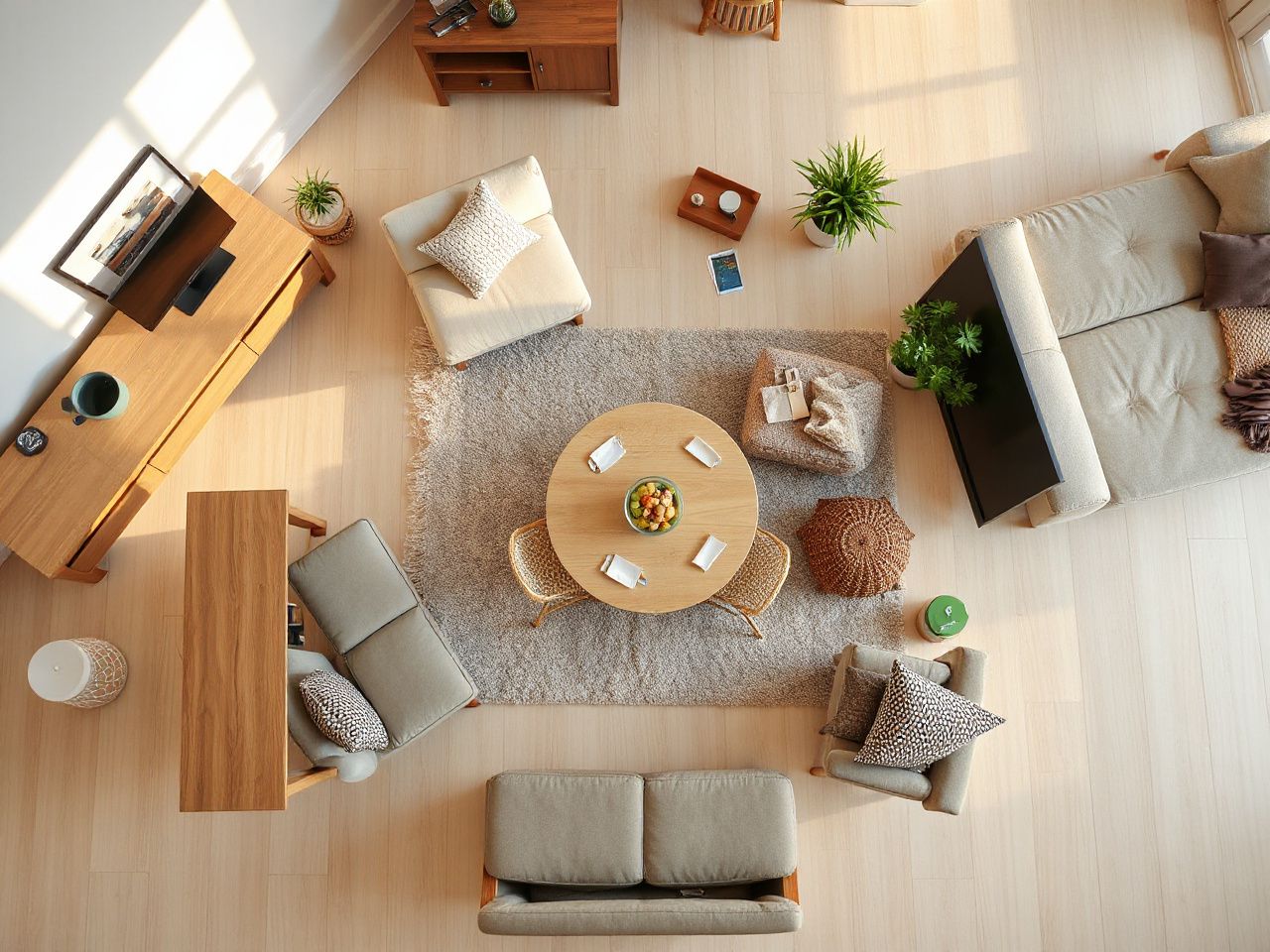
Furniture placement should leave important routes clear and keep frequently used surfaces accessible. A cabinet that looks attractive but blocks a window, switch, radiator, doorway, or cleaning route creates a daily problem. The best arrangement is the one that makes the room’s main activity obvious without requiring decorative objects to explain it.
Lighting: shape, mood, and visual hierarchy
Lighting belongs in the functional category even when the fixture is highly decorative. Ceiling fixtures, wall lights, table lamps, and floor lamps give a room layers of brightness and direct attention toward selected areas. A striking fixture can become the visual focus, but it needs a position and scale that make sense beside the furniture.
Natural light changes how colors and finishes appear throughout the day. A wall that seems warm in daylight may look cooler under artificial light, while reflective surfaces can intensify glare. Check the room at different points in its normal use before committing to a strong wall color, glossy finish, or mirror placement.
Decorative lighting also requires compatibility checks. The fitting, mounting method, electrical connection, heat clearance, and location must suit the room and the instructions supplied with the fixture. The U.S. Consumer Product Safety Commission publishes home safety information that can help households assess electrical and mounting risks before installing decorative lighting.
Rugs and window treatments: soft structure
Area rugs connect furniture into a visual group and change how a room feels underfoot. Their pattern can reinforce a color scheme, while a plain rug can calm a room with expressive wall art or patterned curtains. A rug should relate to the furniture arrangement rather than float as an unrelated island in the middle of the floor.
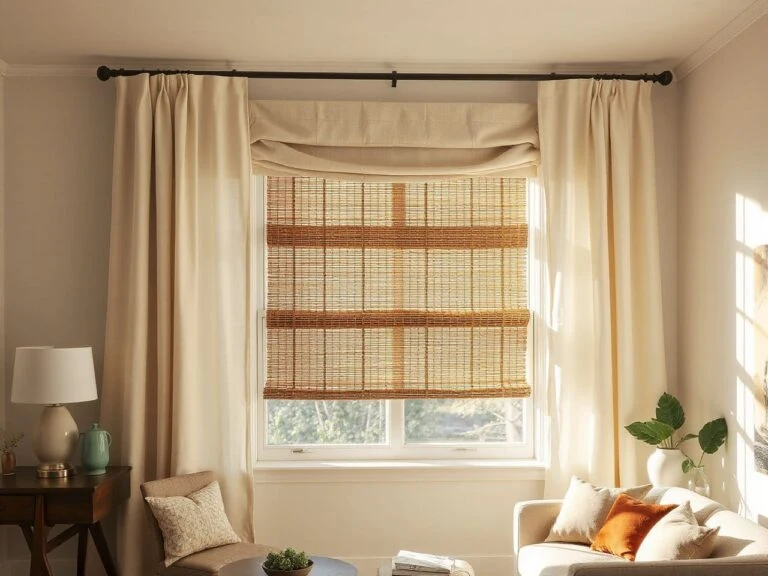
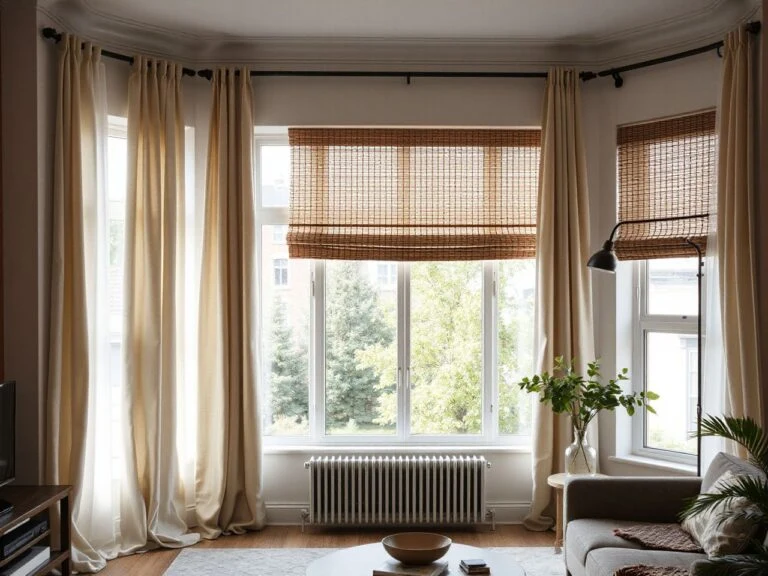
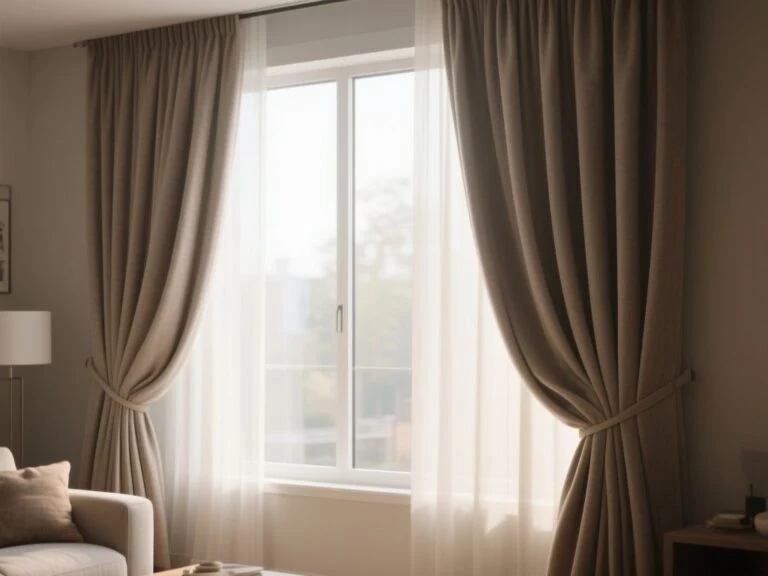
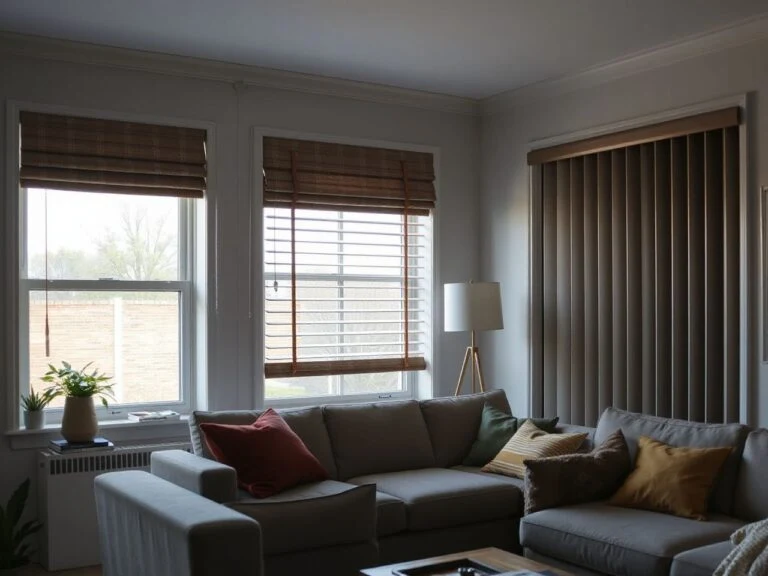
Window treatments affect both the appearance and use of a room. Curtains can soften hard architectural lines, frame a view, and contribute color or texture. Their fabric, placement, and care requirements should suit the window, nearby furniture, and amount of dust or handling in the space.
Textiles collect dust and may need regular cleaning, repair, replacement, or seasonal storage. A busy household benefits from fabrics and placements that are easy to handle and do not sit in constant contact with spills, pets, or passing feet. A delicate textile belongs where it can be appreciated without becoming a daily obstacle.
Accessories, mirrors, plants, and display objects
Accessories complete a room but rarely rescue a poor layout. Decorative mirrors reflect light and can make a wall feel more active, yet their position should be checked from the main seating and walking areas. Wall art gives an empty surface a focal point, while ceramics and pottery add shape, color, and material contrast on shelves, tables, or ledges.
Indoor plants introduce organic texture and a changing visual form. Their placement should suit available light, watering access, surface protection, and household movement. A plant beside a narrow passage may look appealing in a photograph but become an accessibility problem in daily use.
A decorative object is successful when its scale, material, and position support the room around it. An isolated object can look accidental; a repeated finish, shape, or color can make separate pieces feel related without making them identical.
How Decor Styles Work With Architecture and Function
Decor styles are flexible combinations of color, form, material, pattern, and historical influence. They are useful descriptions, not rigid rules. The same room can borrow from more than one style if the chosen elements share a clear relationship.
Modern, contemporary, and minimalist rooms
Modern furnishings often use sleek geometric outlines and low-profile frames. The effect depends on clean relationships between furniture, open surfaces, and selected objects. Modern decor can feel warm when natural-looking materials and restrained color are balanced with comfortable textiles.
Contemporary decor refers to a current visual language rather than a fixed historical category. Contemporary residential architecture commonly incorporates glass, metal, and polished wood elements. A related room may use those materials in furniture, lighting, shelving, or wall details, provided the surfaces do not overwhelm the room’s natural light.
Minimalist decor reduces visual competition. The goal is not to remove every personal object but to give each remaining piece enough space to register. Storage becomes important because exposed clutter weakens the calm effect. A useful discussion of modern and contemporary choices appears in this practical guide to contemporary home decor ideas.
Scandinavian, transitional, and traditional rooms
Scandinavian-inspired rooms generally rely on visual lightness, useful furniture, simple forms, and a calm material palette. The approach can work in a small room because it does not depend on heavy ornament, but excessive pale surfaces may feel flat if texture and contrast are absent.
Transitional decor sits between traditional detail and contemporary restraint. It can connect an older architectural shell with newer furniture by repeating a color, finish, or shape across both. The style works best when the room contains a measured mix rather than equal amounts of every influence.
Traditional decor may include stronger references to classic forms, layered textiles, framed art, and more visibly decorative furniture. The architecture should guide the degree of formality. A room with ornate existing details may need fewer added motifs because the structure already supplies visual interest.
Mid-century modern, rustic, and modern farmhouse
Mid-century modern rooms often depend on clear profiles, practical furniture forms, and carefully placed accents. The look loses definition when every item imitates the same period. One or two recognisable forms can establish the direction while contemporary pieces keep the room usable.
Rustic decor draws attention to natural texture and a sense of material weight. Modern farmhouse combines familiar domestic forms with simpler lines and a more edited palette. Both approaches require restraint: too many distressed finishes, signs, repeated motifs, or deliberately aged objects can turn a flexible style into a theme.
Industrial, bohemian, eclectic, and coastal rooms
Industrial decor often works through contrast between hard surfaces and softer furnishings. Metal, exposed-looking structure, substantial furniture, and strong lighting can create that character, but the room still needs comfortable areas and visual pauses.
Bohemian and eclectic interiors permit more variation in pattern, color, and source. Their success depends on an anchor. A repeated color, similar material temperature, related artwork scale, or consistent furniture proportion can hold the mix together.
Coastal decor does not require a literal collection of shells, nautical symbols, or seaside images. A lighter palette, relaxed textiles, natural textures, and open visual spacing can suggest the influence without turning the room into a display set. Flexible style choices are explained further in this practical look at home decor styles.
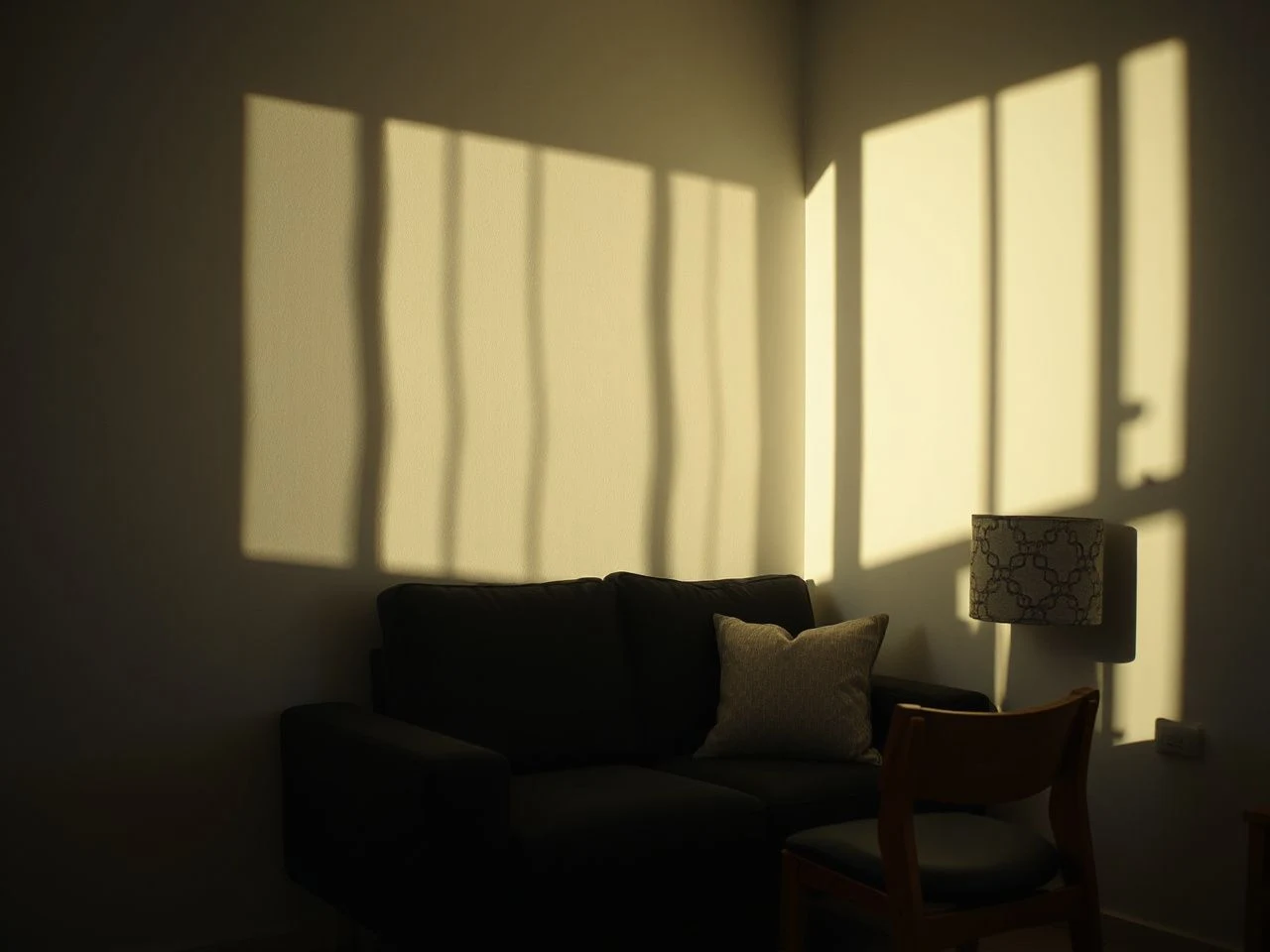
How to Combine Decor Styles Without Visual Confusion
Mixing styles works when the room has a hierarchy. One influence should usually provide the main structure, while another supplies contrast through selected furniture, lighting, art, or textiles. Equal visual emphasis across several unrelated styles makes the room harder to read.
Step 1: Read the room before adding anything
Record the existing colors, materials, natural light, ceiling height, window positions, and fixed architectural details. Note which surfaces already attract attention. A room with patterned flooring may need quieter rugs, while a room with plain walls can accept stronger wall art or a more expressive mirror.
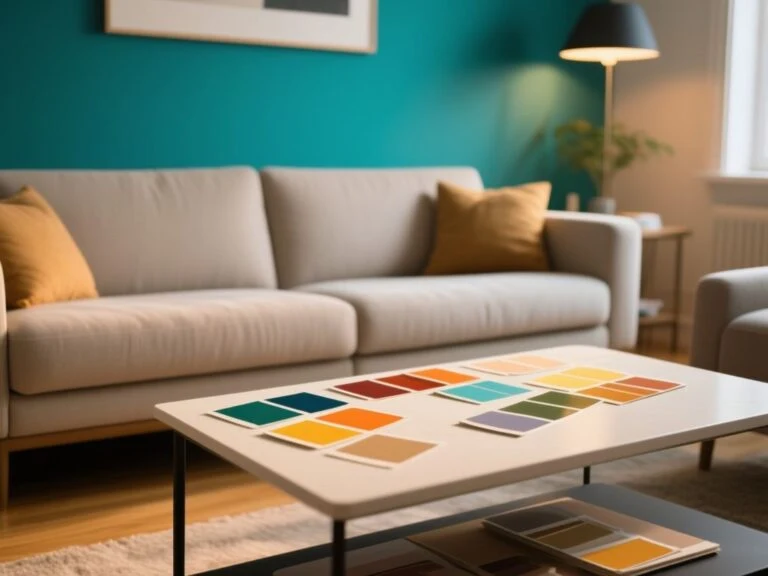
The existing palette is the starting point, not a restriction. Current design trends often use taupe, greige, light woods, and soft black, but those colors should be judged beside the room’s actual light and finishes. A color that looks balanced in a sample may appear different beside polished wood, metal, glass, or a cool painted wall.
Step 2: Choose one visual anchor
The anchor may be a sofa, rug, bed, fireplace, artwork, or lighting fixture. It should establish either the strongest color, the most noticeable material, the clearest shape, or the main historical influence. Other pieces can then support it instead of competing for attention.
A visual anchor is not always the largest object. A carefully placed piece of wall art can direct the eye, while a mirror can broaden the sense of space through reflection. The anchor must still relate to the room’s function and should not obstruct movement, controls, views, or access.
Step 3: Repeat relationships rather than objects
Repeat a color in different materials, use a similar curve in furniture and lighting, or connect a wood tone across a table and frame. Repetition creates cohesion without requiring matching sets. Three unrelated decorative objects placed together can look like a collection, but a repeated relationship gives them a reason to share space.
Scale also needs repetition. A small object on a large shelf may disappear, while a large object on a narrow ledge may dominate. Grouping pieces by proportion can produce balance, but the arrangement should still leave some open space so the eye can rest.
Step 4: Edit from the wall outward
Wall decor deserves special care because mounting marks, holes, adhesive residue, and heavy hardware can make changes costly. Check the wall surface, the attachment point, the object’s weight as listed by its maker, and the location of electrical wiring or other hidden services before drilling or fixing anything.
Start with the simplest secure method that suits the object and wall. A frame should be stable, level, and positioned in relation to nearby furniture rather than hung in isolation. Mirrors need particular care because their reflective surface can amplify glare, reveal unwanted views, or make a crowded wall feel busier.
Wall-mounted decor is only successful when its hardware, wall surface, and location are compatible. The ASTM International website provides information about standards development, but the exact mounting method still needs to follow the object maker’s instructions and the wall system’s requirements.
Maintenance, Placement, and Household Conditions
Decor should be judged by its whole life in the room, not only by its first appearance. Upfront cost is only one part of the decision. Cleaning, repair, replacement, seasonal storage, mounting changes, and the effort required to keep the item accessible all affect its practical value.
Decor for busy households
The easiest decor to maintain usually has simple surfaces, stable placement, and a clear cleaning route. Furniture with accessible surfaces is easier to dust than an arrangement crowded with small objects. A washable or removable textile may be easier to manage than a delicate one, although the care label remains the authority for its treatment.
Area rugs in high-traffic spaces should not create a trip point or block doors. Curtains should not hang where they are constantly pulled by passing people or animals. Decorative objects placed low and within easy reach need to tolerate contact or move to a less accessible display area.
Homes with children or pets require an additional review of edges, stability, breakability, heat, cords, and access. Delicate ceramics may belong higher or behind a protective door. Floor lamps, plants, and low tables should not narrow a route that people use frequently.
Damp rooms and moisture-sensitive materials
Moisture changes the suitability of decor. Natural materials can react to damp conditions, and textiles may hold moisture or odors if ventilation is poor. A decorative item intended for a dry living space should not automatically move into a bathroom, laundry area, or poorly ventilated room.
Check the maker’s care information and inspect the item’s surface after exposure to the room’s normal conditions. Look for swelling, staining, softening, corrosion, lifting finishes, or a persistent musty smell. Those observable signs matter more than a style label.
Plants in damp rooms still need suitable light, a protected surface, and a watering arrangement that does not leave standing moisture against furniture or flooring. Moisture compatibility is part of placement, not a detail to consider after styling.
Heat, electrical items, and accessible maintenance
Decorative lighting, candles, lamps, and objects placed near heat sources require extra distance and careful reading of supplied instructions. Do not allow textiles, paper, foliage, or other vulnerable materials to press against a hot fitting or obstruct a ventilation opening.
Electrical decor should be installed only where the connection and mounting arrangement suit the room. Keep switches, plugs, cords, and controls reachable for normal use and maintenance. If a fitting shows damage, looseness, scorching, or unusual heat, stop using it and seek qualified advice rather than hiding the issue with decorative placement.
Government safety information is a useful starting point for household hazards. The Consumer Product Safety Commission provides public guidance on risks involving products used in the home, while the manufacturer’s instructions remain the direct source for a particular fixture or object.
Comparing appearance with long-term upkeep
Compare decor by asking what it contributes, where it will sit, how often it will need attention, and how difficult it will be to move or repair. A visually quiet piece may support a room for longer than a highly distinctive object that demands repeated rearrangement. A textile may add comfort but require more care than a hard surface. A wall arrangement may save floor space but require more planning at installation.
Make a short assessment before committing:
- What function does the item perform?
- Which colors, materials, or shapes does it repeat?
- How does natural and artificial light affect its appearance?
- Can the surface be cleaned without moving several other objects?
- Is the placement compatible with moisture, heat, mounting, and access?
- What happens if the room’s layout changes?
Arranging Wall Art, Mirrors, Rugs, and Accessories
Arrangement is where otherwise suitable decor often goes wrong. The issue is rarely the individual object. More often, the pieces have no shared scale, the wall art sits apart from the furniture below it, or the room contains too many focal points.
Wall art and gallery arrangements
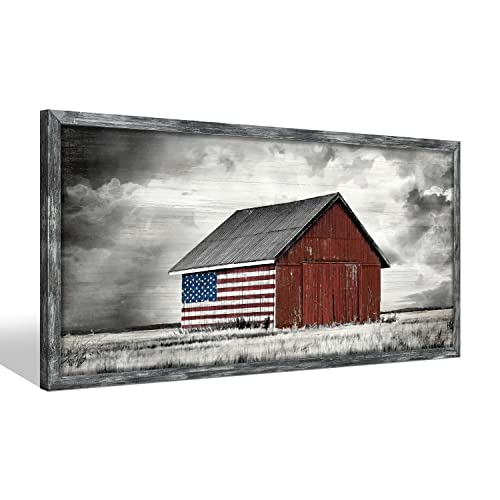
Choose wall art in relation to the surface, nearby furniture, and the room’s strongest visual line. A single large work can create clarity on a broad wall, while several smaller works can build a collection through repeated frames, colors, or subject matter. The arrangement should be read as one group rather than as unrelated items scattered across the wall.
Before fixing anything, lay out the pieces on the floor or make temporary paper shapes. Check the group from the room’s main viewing position. This helps reveal uneven spacing, an overly narrow arrangement, or a piece that is too small to relate to the furniture beneath it.
Mounting is part of the design. Heavy objects, fragile frames, and mirrors need appropriate hardware and a wall attachment that can support the item. Keep the fixing method reversible where possible, and avoid assuming that a smooth adhesive solution suits every paint, plaster, wood, or tile surface.
Mirrors and reflective decor
A mirror should reflect something useful or attractive, such as natural light, a considered view, or an architectural feature. If it reflects clutter, a bright fitting, or a blank surface, the room may feel busier rather than larger. Test the sightline from seated and standing positions before final placement.
Reflective objects can also alter balance. A dark frame around a mirror may connect with black hardware or lighting, while a pale frame may keep a small room visually light. The surrounding wall still needs breathing room.
Rugs and layered textiles
Use rugs to establish a zone, not merely to fill an empty patch of floor. The rug’s color and pattern should relate to furniture and curtains, while its position should make the seating or dining arrangement feel connected. Cushions and throws can repeat the rug’s colors in smaller doses, but matching every textile exactly can make the room feel staged.
Layering works through variation. Combine a quieter base with one stronger pattern, or use different textures within a restrained palette. Keep the number of competing patterns under control, especially in rooms that already contain patterned flooring, artwork, or curtains.
Accessories and visual editing
Group accessories by relationship rather than by availability. Ceramics can share a material quality while differing in shape. Books, bowls, frames, and plants can form a display when their heights and colors create a clear rhythm. Leave enough open surface to show where one object ends and another begins.
Decorative objects are easiest to maintain when they are not placed in every available gap. Crowded shelves collect more visible dust, make cleaning slower, and weaken the importance of the pieces that deserve attention. Editing is a design action.
Choosing the Right Approach for Each Room
Room function should narrow the style choices. A living room can support layered textiles, art, plants, and a stronger focal point because people usually spend time there. A hallway needs clear movement and durable placement. A bedroom often benefits from softer contrast and limited visual noise. A home office needs enough light and accessible storage before decorative layering begins.
Living rooms
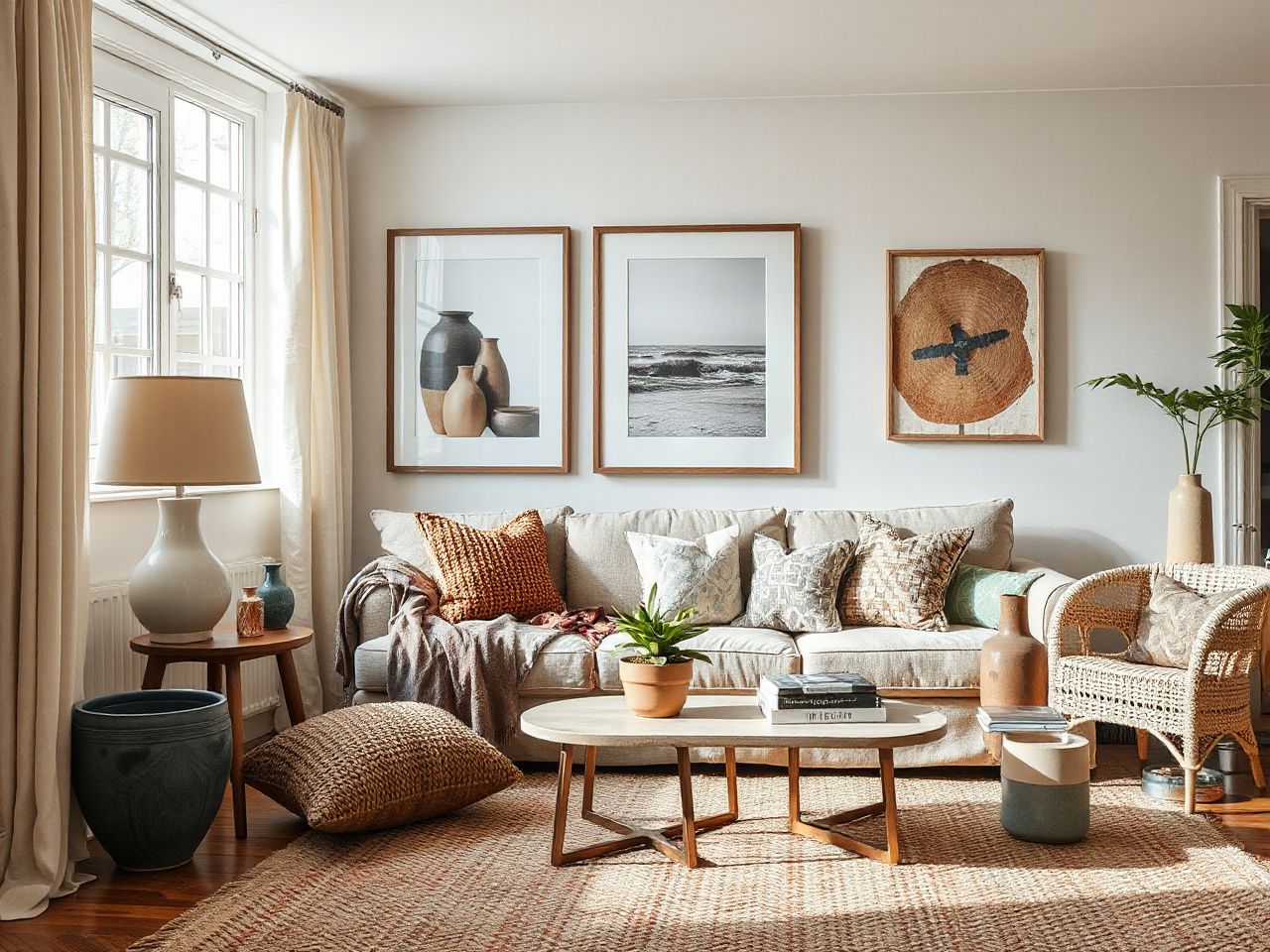
Start with seating, circulation, and the main light sources. Add an area rug to connect the seating group, then choose lighting and wall art that reinforce the arrangement. Cushions, throws, ceramics, and plants should support comfort and character without blocking tables or routes.
Bedrooms
Furniture scale and window treatments have a strong effect in a bedroom because the room contains large horizontal and vertical forms. Use wall art, mirrors, and textiles selectively. A calm palette can still include contrast through material and shape rather than several strong colors.
Hallways and entrances
These areas need special attention to accessibility and impact. A mirror can be useful near an entrance, but it should not project into the route. Wall art should be mounted securely, and small tables or baskets should not narrow movement. Decor that is easy to clean and hard to knock over is usually more suitable here.
Small apartments and compact rooms
Compact rooms benefit from decor that performs more than one role. Furniture can provide storage, mirrors can reflect light, and vertical wall space can carry art without using the floor. Keep the visual hierarchy clear so that every surface does not compete.
For more focused planning, this guide to home decor for small apartments addresses the relationship between limited floor area, furniture, and visual openness. The central rule remains simple: leave enough clear space for the room’s main activity.
Damp or high-traffic areas
Choose decor for the conditions it will actually face. High-traffic spaces need stable placement and surfaces that can be reached for cleaning. Damp areas require attention to moisture response, ventilation, and protection for nearby walls and furniture. Style should follow those requirements, not override them.
Frequently Asked Questions
What are the main types of home decor?
The main types of home decor are functional furnishings, decorative lighting, area rugs, curtains and window treatments, wall art, mirrors, ceramics and pottery, soft furnishings such as cushions and throws, and indoor plants. These categories differ by role. Furniture organizes activity, lighting shapes visibility, textiles soften surfaces, mirrors reflect, and accessories add color, form, or personal meaning.
How can I mix different decor styles without making a room look confused?
Choose one dominant direction and use a second style as an accent. Repeat at least one relationship, such as a color, material, shape, or proportion, across both influences. A modern sofa can sit with traditional art when the frame, palette, or scale connects them. Edit objects that introduce a new theme without supporting the room’s existing hierarchy.
Which types of home decor are easiest to maintain in a busy household?
Furniture with accessible surfaces, stable placement, washable or removable textiles, and limited small accessories is generally easier to maintain than a crowded display. Rugs and curtains still need care, while delicate ceramics, low objects, and plants need placement that suits children, pets, traffic, and watering. Always follow the care instructions supplied with the specific item.
Decor works best when it serves the room before it advertises a style. Start with function, read the existing architecture and light, establish a visual anchor, and add supporting pieces with compatible scale and material. Above all, inspect the practical details: a frame should come off the wall cleanly when possible, a fixture should suit its mounting and electrical conditions, and every textile or object should have a realistic maintenance plan.