The key to towel quality is fiber length and construction, not just GSM. A 600 GSM towel made from short fibers can feel thin and shed, while a 400 GSM with long-staple cotton feels lush and lasts years. Most towels are ruined by fabric softener, not by being cheap. This bath towels buying guide is built on that principle: understand the material science, judge any towel yourself, and stop depending on brands or trends to make the call for you.
Key Takeaways
- GSM is a starting point, not a verdict. Fiber length and weave type affect absorbency and durability more than weight alone.
- Fabric softener is the single biggest towel killer. It coats fibers with a waxy film that destroys absorbency within a few washes.
- Bath sheets offer 8 extra inches of coverage and dry slower. Choose based on your bathroom’s ventilation, not just personal preference.
Understanding the Material Science Behind Bath Towels
Most shoppers walk into a store, stroke a few towels, and pick the softest one. That tactile test tells you almost nothing about what will happen after twenty wash cycles. Towels should be judged by the hardware underneath, not the veneer on the surface. For towels, that means looking at fiber length, weave construction, and yarn treatment before considering weight or softness.
GSM: The Number That Tricks People
GSM stands for grams per square meter, and it measures the weight of the fabric. Typical bath towels range from 300 GSM on the light end to 900 GSM for heavy, hotel-grade pieces. Higher GSM generally means more cotton per square meter, which translates to thicker, more absorbent fabric. But that correlation breaks down quickly when fiber quality is poor.
A 600 GSM towel spun from short-staple cotton will shed fibers and flatten faster than a 450 GSM towel built from extra-long-staple cotton. The heavier towel may feel plush for the first month, then turn thin and rough as short fibers break away in the wash. Weight without length is just dead weight. A towel with 400 to 600 GSM and properly combed long-staple fibers typically delivers the best balance of absorbency, drying time, and longevity for everyday home use.
Fiber Length: The Spec Nobody Talks About
Cotton fibers come in different lengths, and this single variable shapes everything about towel performance. Short-staple cotton measures under 1 1/8 inches. It produces yarn with many exposed fiber ends, which creates a rough, fuzzy surface that sheds easily. Long-staple cotton runs from 1 1/8 to 1 1/4 inches and yields noticeably smoother, stronger yarn. Extra-long-staple cotton, including Egyptian cotton, Pima cotton, and Supima cotton, measures 1 3/8 inches or longer, producing yarn that is exceptionally strong, smooth, and pill-resistant.
The difference in your bathroom is straightforward. Longer fibers mean fewer exposed ends per square inch of fabric. Fewer exposed ends mean less lint, less pilling, and a surface that remains soft after dozens of washes. Turkish cotton, a variety often grown in the Aegean region, is prized for its long fibers and light, quick-drying character despite being absorbent. The Cotton Council International notes that extra-long-staple cotton comprises only a small fraction of global cotton production, which explains why genuine Pima or Egyptian cotton towels command higher prices than generic cotton options.
Combed vs Carded Cotton
Before cotton becomes yarn, it passes through a preparation process. Carding is the basic process: fibers are brushed to align them roughly, but short fibers and impurities remain. Combed cotton undergoes an additional step where fine combs remove short fibers and any remaining debris, leaving only the longest, straightest fibers for spinning. A towel labeled combed cotton uses only the best portion of the cotton boll, which is why combed cotton towels feel noticeably smoother and last longer than carded equivalents at the same GSM.
The price difference is real and justified by one fact: combed cotton produces stronger yarn. Stronger yarn means the towel survives more wash cycles before fibers begin breaking down. If a towel does not specify combed cotton on the label, it is almost certainly carded, which tells you something about where the manufacturer cut corners.
Weave Types and Quick Drying
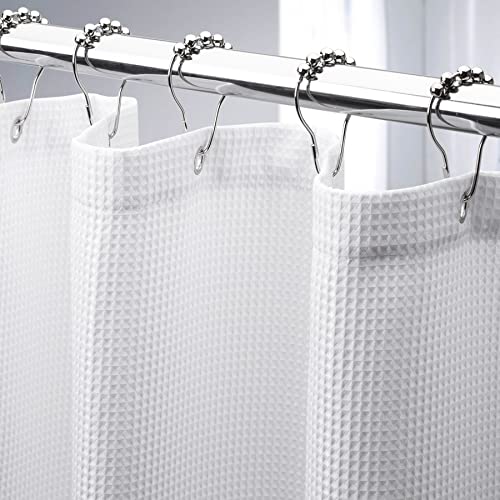
Terry weave is the standard construction for bath towels: loops of yarn stand upright on both sides of a woven base fabric, creating maximum surface area for water absorption. The density and height of those loops determine how thirsty the towel is. Waffle weave, sometimes called honeycomb weave, creates a textured grid pattern that exposes more fabric surface to air. Waffle weave towels dry significantly faster than terry towels of comparable weight, which makes them the smarter choice for humid bathrooms with poor ventilation.
For a bathroom that stays damp, waffle weave or low-pile terry construction will outperform heavyweight terry every time. A 700 GSM terry towel in a poorly ventilated bathroom may still be damp the next morning, while a 400 GSM waffle weave towel will be dry. Humid conditions favor structure over weight. If your bathroom lacks a fan or window, prioritise a quick-drying weave before chasing a thick, plush feel.
Ringspun, Zero-Twist, and Standard Cotton
Standard cotton yarn is spun with a significant amount of twist, which holds shorter fibers together but creates a rougher hand feel. Ringspun cotton uses a specialized spinning method that twists long fibers more tightly and smoothly, producing a finer, stronger yarn with less surface roughness. Zero-twist cotton, used primarily in premium towel lines, spins yarn with very low twist and then treats it to dissolve a binder that held it together during weaving. The result is yarn with many air pockets between fibers, which makes the towel incredibly soft and highly absorbent. The trade-off is real: zero-twist towels tend to be less durable at the edges and can pill more readily under aggressive washing.
Ringspun cotton hits the sweet spot for most households. It offers a smooth, comfortable surface without the fragility of zero-twist construction. When the label says ringspun combed cotton, you are looking at a towel built from long, clean fibers spun tightly into durable, absorbent yarn. That combination outperforms a heavier short-fiber towel in every practical measure.
Choosing the Right Size for Your Bathroom Reality
Size decisions have less to do with personal preference than most people assume. The size of your towel should match the size of your drying routine, the ventilation in your bathroom, and your storage capacity. A towel that never fully dries between uses becomes a mildew factory, regardless of how luxurious it felt in the store.
Bath Towel vs Bath Sheet
A standard bath towel measures approximately 27 by 52 inches, which is functional but leaves many adults wrapping in fabric that barely meets at the side. Bath sheets measure roughly 35 by 60 inches, about 8 inches wider and 8 inches longer than a typical bath towel, offering full-body coverage without gymnastics. The trade-off is drying time: more fabric holds more water. In a bathroom with good air circulation, a bath sheet may dry overnight. In a humid bathroom without ventilation, that same bath sheet becomes a damp cloth that breeds mildew within days.
If you are furnishing a guest bathroom where towels may sit unused for a week between visits, bath towels are the better choice. They dry faster, occupy less rack space, and are easier to launder. Bath sheets make more sense for daily personal use in a bathroom with a fan or window. Think about your actual drying environment before choosing larger towels for their luxurious feel. When in doubt, a towel rack near a window or a heated towel rail changes the equation entirely — and if you are reconfiguring the whole space, you might reconsider the room’s design language too. Understanding what home decor styles fit your bathroom can guide those decisions without forcing you into impractical choices.
Considering Drying Conditions
The best weave for quick drying in a humid bathroom is waffle weave, followed by low-pile terry. The open structure of waffle weave maximizes air contact with every fiber, pulling moisture out of the fabric more efficiently than dense terry loops. If you insist on terry for its absorbency, look for 400 to 500 GSM with loops that are clearly separated rather than packed together. Dense, tightly packed loops trap moisture for hours after use.
Bathroom climate should drive your weave and weight selection. Homes in coastal regions or older buildings with single-pane windows often have chronically damp bathrooms. In those conditions, heavyweight towels are a liability. They may feel indulgent on day one, but they will sour quickly and require more frequent washing — which wears them out faster anyway. The towel that dries fully between uses is the towel that lasts.
Why Most Towels Die Young: Care and Maintenance
Price is a poor predictor of how long a towel survives. A $60 set can be destroyed within a year while a $15 set is still in service after five. The difference is rarely the fabric. It is the washing routine. Most towel failures come from chemical damage and heat exposure, not from wear and tear. Treat towels like the cotton fabric they are, not like denim that needs to be beaten into submission.
The Fabric Softener Problem
Fabric softener works by depositing a waxy film on fabric fibers. That film makes towels feel soft in the moment, but it does so by sealing the very surface that would otherwise absorb water. Does fabric softener really ruin towels? Absolutely. After repeated use, the accumulated coating reduces absorbency so noticeably that water beads on the towel surface instead of soaking in. The fix is straightforward: stop using fabric softener on towels entirely.
Vinegar is not a softener — it is a reset button. White vinegar is acidic enough to dissolve the soap scum and mineral deposits that make towels stiff without damaging cotton fibers the way harsh detergents can. Add half a cup of white vinegar to the rinse cycle once a month and your towels will stay absorbent and soft without any chemical coating. Water hardness affects towel softness too: if you have hard water, minerals from the water itself deposit on fibers and cause stiffness. Adding half a cup of borax to the wash helps soften hard water, preventing that mineral buildup from reaching your towels in the first place.
Washing and Drying Without Damage
Hot water has a place in towel care, but it should be occasional, not routine. Regular washing in hot water gradually breaks down cotton fibers and causes dyes to fade faster. Warm water (40 to 60 degrees Celsius / 104 to 140 degrees Fahrenheit) cleans thoroughly without the same stress on the pile. Reserve hot washes for times when towels are genuinely soiled or you are trying to remove buildup with vinegar. High-heat drying causes shrinkage and damages the cotton loops that give terry its absorbency. Use medium or low heat when machine drying towels, and remove them while slightly damp if you want to preserve maximum softness.
If the towel label recommends a specific temperature, follow it. Some premium cotton towels are pre-shrunk and tolerate higher heat, while others are not. The label is the manufacturer telling you what their construction can withstand. Ignoring it is choosing to damage your purchase.
Fixing Stiff and Musty Towels
Stiff towels after washing are caused by detergent residue, fabric softener buildup, or hard water minerals. To remove mildew smells without harsh chemicals, wash the affected towels in hot water with one cup of white vinegar and no detergent, then run a second cycle with half a cup of baking soda added directly to the drum. The vinegar kills odor-causing bacteria and dissolves residue; the baking soda neutralizes remaining odors and brightens the fabric. This two-step vinegar and baking soda method cleans towels more effectively than chlorine bleach, which can weaken cotton fibers and yellow white fabric over time.
Mildew smells in towels come from bacteria breeding in damp fabric. The smell is not just unpleasant — it signals that the towel never fully dried between uses. Fixing the smell is only half the solution. You also need to fix the drying environment by spreading towels on a rack rather than folding them over a single bar, or by running a dehumidifier in damp bathrooms. If your bathroom has persistent moisture issues, a quick-drying waffle weave towel may solve more problems than any laundry hack. You might also consider whether the rest of your bathroom’s design supports good air circulation — something worth thinking through as part of a broader refresh, the kind of decision that overlaps with choosing a calming earth-toned palette for your home.
How Often Should You Replace Bath Towels?
A well-constructed towel washed properly should last three to five years with regular use. Signs that replacement is due include persistent odor even after washing, visible thinning of the pile, fraying edges, or loss of absorbency despite stripping buildup. Towels used by multiple family members daily will wear faster than towels reserved for guest bathrooms. If a towel no longer absorbs water within a few seconds of contact, its fibers are either coated, broken, or both — that towel has reached the end of its useful life.
The most common mistakes that shorten towel life are fabric softener, hot washing and high-heat drying, folding damp towels, and ignoring care labels. Overloading the washing machine also damages towel loops by forcing them against one another under friction. Wash towels in smaller loads with enough water to let them move freely.
Certifications and Responsible Sourcing
Sustainability claims on towel packaging range from meaningful to meaningless. A green leaf icon and the word “eco” printed on cardboard do not tell you anything about how the cotton was grown, processed, or finished. Certifications exist for a reason, and understanding two of them will help you separate honest product information from marketing gloss.
What Oeko-Tex Standard 100 Certifies
Oeko-Tex Standard 100 is one of the most widely recognized textile certifications. Products bearing this label have been tested for more than 100 harmful substances, including heavy metals, formaldehyde, and certain pesticides. The Oeko-Tex certification system applies to every component of a product — fabric, thread, labels, and even buttons or zippers. For bath towels, this certification tells you that the finished product does not contain harmful chemical residues in concentrations that exceed strict limits. It does not, however, address how the cotton was farmed. For that, look for organic certifications alongside Oeko-Tex.
Understanding Material Claims
Bamboo viscose towels are often marketed as sustainable alternatives to cotton. The raw material is bamboo, but the manufacturing process that turns bamboo into viscose rayon involves significant chemical inputs, including carbon disulfide, which is toxic. Bamboo viscose towels are soft and naturally antibacterial, but the sustainability claim depends entirely on whether the manufacturing facility uses closed-loop chemical recovery. When you see bamboo towels without a third-party certification, you are buying a claim, not a verified process.
Microfiber towels are synthetic, made from polyester and polyamide blends. They dry extremely fast and are lightweight, which makes them popular for travel and gym use. For daily bath use, microfiber does not match the absorbency or comfort of cotton, and every wash releases microplastic fibers into wastewater. If you choose microfiber, use a laundry bag designed to capture microplastics during washing.
For the Global Organic Textile Standard (GOTS), only certified facilities and farms can use the label. GOTS covers both environmental and social criteria, from banning toxic dyes to requiring safe working conditions. You can verify the standard at global-standard.org. A towel with a GOTS certification is the strongest available signal that the product was made responsibly from field to finished textile.
Frequently Asked Questions
Why do my towels become stiff after washing, and how can I keep them fluffy?
Stiffness comes from three culprits: detergent residue that builds up on fibers, fabric softener that coats the cotton with a waxy film, and hard water minerals that embed themselves in the fabric. To restore fluff, wash towels in warm water with half a cup of white vinegar instead of detergent, then dry with wool dryer balls on medium heat. Going forward, skip fabric softener entirely and use half the recommended detergent amount. Towels need less soap than most people assume.
Are high-GSM towels always better, or can they be too heavy and slow to dry?
High-GSM towels are thicker and more absorbent straight out of the package, but they can absolutely be too heavy. A 700 GSM towel in a bathroom with poor ventilation may stay damp for 24 hours or more, which leads to mildew, odor, and frequent washing. For most households, 400 to 600 GSM offers the best compromise between absorbency and drying time. If your bathroom is humid, prioritise a quick-drying weave over maximum weight.
What is the difference between ringspun, zero-twist, and regular cotton towels?
Regular cotton is spun with a standard twist that can feel slightly rough. Ringspun cotton uses long fibers twisted tightly for a smoother, stronger yarn that resists pilling. Zero-twist cotton is spun with minimal twist and then treated to remove the binder used during weaving, creating a loftier, softer towel with more air pockets between fibers. Zero-twist feels luxurious but is less durable at the edges. Ringspun combed cotton offers the best balance of softness and longevity.
How often should I replace my bath towels?
A quality towel washed properly should last three to five years with regular use. Replace towels when they develop a persistent odor even after cleaning, when the pile visibly thins, when edges fray, or when water no longer soaks in within a few seconds of contact. Guest bathroom towels that see occasional use can last longer, but towels handled daily by multiple family members will wear faster. The best way to extend towel life is to skip fabric softener, avoid high heat, and let towels dry completely between uses.