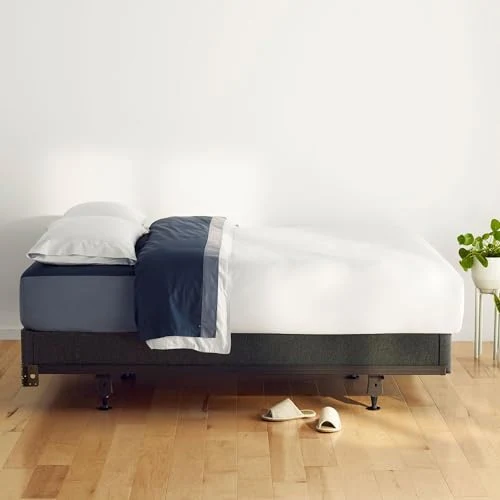
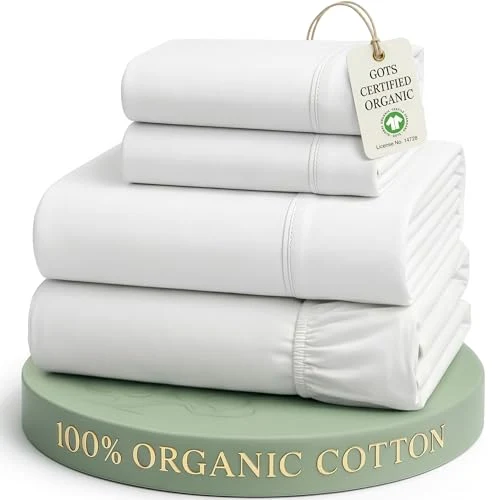
Waking up sweaty at 3 a.m. is a special kind of misery, and nine times out of ten, the sheet weave is the accomplice. Percale and sateen feel entirely different against your skin, but most people buy whichever set has the highest thread count on sale. That’s the wrong question entirely. The weave structure—not the number on the package—decides whether you sleep crisp and cool or silky and warm.
The LANE LINEN Queen Sheets 100% Organic Cotton 4pc Percale Cooling in White is a top pick. It’s breathable, genuinely crisp, and made from organic cotton at a spec that actually makes sense for percale. The California Design Den Soft 100% Cotton Sateen Queen Bed Sheets Set is the smoother, shinier runner-up for anyone who runs cold or loves that buttery hotel drape.
📌 This article contains affiliate links. As an Amazon Associate I earn from qualifying purchases, at no extra cost to you. Full disclosure.
CERTAIN CONTENT THAT APPEARS ON THIS SITE COMES FROM AMAZON. THIS CONTENT IS PROVIDED ‘AS IS’ AND IS SUBJECT TO CHANGE OR REMOVAL AT ANY TIME.
| Product | Best For | Buy Link |
|---|---|---|
| LANE LINEN Queen Sheets 100% Organic Cotton 4pc Percale Cooling – White | Hot Sleepers | Check Price |
| California Design Den Soft 100% Cotton Sateen Queen Bed Sheets Set | Silky Soft Feel | Check Price |
How We Chose These Percale and Sateen Picks
We narrowed this list by comparing published specs against what actually separates a good percale from a good sateen. Weave structure comes first: percale uses a one-over-one weave for a matte, breathable finish, while sateen’s three-over-one weave creates that silky, dense sheen. Fiber quality is the next gate—long-staple cotton resists pilling and snags far better than short-staple cotton, regardless of thread count. We also weighed certifications like GOTS and OEKO-TEX, since a label that says percale or sateen doesn’t guarantee safe chemical processing. Our team looked for honest thread counts: 160TC is genuinely optimal for percale, while 400TC can be legitimate for sateen only if the cotton is long-staple. Before ordering either set, check the fitted sheet depth against your mattress—both of these have deep pockets, but if your mattress is over 16 inches, measure first.
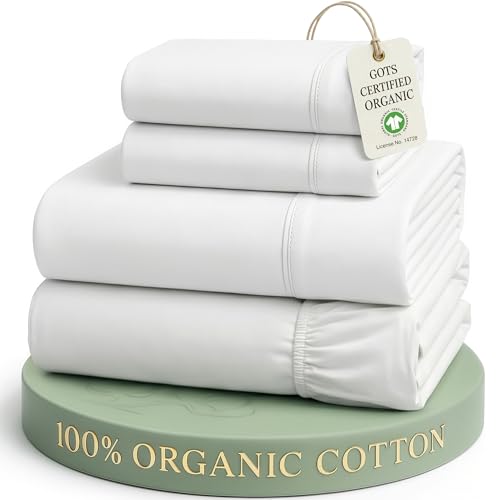

LANE LINEN Organic Percale Sheets (Crisp Cooling Percale)
Quick take: This is the set for hot sleepers and anyone who wants that dry, papery snap of a hotel bed without a chemical finish.
The spec sheet tells the story before you ever touch the fabric. At 160 thread count and 120 GSM, this percale is woven light—not thin, but airy. The one-over-one weave means each yarn crosses alternately, leaving tiny gaps that let air move and body heat escape. A 160TC percale from long-staple organic cotton will feel crisp on night one and soften gradually without turning limp. The flat sheet measures 90 by 104 inches, which is generous for a queen, and the fitted sheet has a deep pocket with elastic to grip thicker mattresses.
The real-world difference shows up around 2 a.m. Percale doesn’t cling the way sateen does. You won’t get that satin-like slide, but you also won’t wake up with the fabric wrapped around your legs. The trade-off is wrinkles—percale is a wrinkler, especially if you pull it out of the dryer hot. If you hate ironing, this set might frustrate you. But if you value breathability over a glass-smooth look, the LANE LINEN delivers exactly what its weave promises.
Pros:
- 160TC / 120 GSM percale weave — light enough for summer nights without feeling flimsy.
- 100% organic cotton — no synthetic coatings or formaldehyde finishes to break down against your skin.
- Deep pocket fitted sheet — fits mattresses up to 16 inches without popping off, based on the elastic all around.
- Matte finish — no sheen means no glare under a bedside lamp, and it looks better with linen and cotton quilts.
Cons:
- Wrinkles aggressively — a hot dryer cycle will turn this set into a crumpled mess; you’ll need low heat or line drying.
- Rougher initial hand-feel — percale is not silky, and if you expect that, you’ll think it’s cheap instead of classic.
Final Thoughts
Best for: Hot sleepers, summer bedrooms, and anyone who loves the crisp snap of a freshly made hotel bed. Skip if: You want a silky, wrinkle-resistant drape or you live in a cold climate where you’d rather trap a little warmth.
California Design Den Sateen Sheets (Silky Soft Weave)
Here’s the deal: This set wins on pure touch and luster, and it just took a 2026 Good Housekeeping Best Bedding Award for everyday ease.
The three-over-one sateen weave gives this sheet its signature smoothness. At 400 thread count, the yarns pack tighter than a 160TC percale, which means a denser fabric that drapes beautifully and catches the light with a subtle sheen. The listing calls the cotton soft and notes it softens with each wash—a typical sateen behavior, provided the cotton is long-staple. That’s the one gap: California Design Den doesn’t specify staple length or certification like GOTS, so the thread count could be inflated with short fibers. On paper, though, a 400TC sateen from a reputable brand usually means a cooler, more fluid feel than a cheap 1000TC sateen from a no-name mill.
Where sateen beats percale is the first touch. You will feel the difference immediately—no break-in period, no roughness. The deep-pocket fitted sheet has all-around elastic, which helps it stay put better than corner-only elastic. The catch is warmth: the tight weave holds body heat, so if you tend to run hot, you’ll notice it by the third night. And that shiny finish? It can look slightly slick against a dim bedroom lamp, not warm the way percale does.
Pros:
- 400 thread count sateen weave — dense and silky with a genuine luster, not a chemical gloss.
- Good Housekeeping 2026 award — a third-party nod that backs up the everyday ease claim.
- All-around elastic on fitted sheet — grips better than corner-only designs and resists shifting.
- Softens with washing — cold water and low tumble will break in the fibers without pilling, assuming decent cotton.
Cons:
- Warmer sleep surface — the tight weave traps heat, so hot sleepers may wake up sticky in summer.
- No fiber-length or certification details — without that info, you’re trusting the brand on the 400TC claim rather than verifying it.
The Real Story
Ideal for: Cold sleepers, anyone who loves a hotel-style silky drape, or those who want sheets that look as smooth as they feel. Not great if: You wake up sweating, you prefer a matte, airy sheet, or you care more about breathability than sheen.
Percale vs Sateen Sheets: A Buyer’s Guide That Cuts Through the Thread Count Noise
Most bedding marketing is designed to confuse you. The two weaves could not be more different, yet retailers sell them side by side with the same thread count promises. Here’s what actually separates them and how to choose without wasting money.
The Real difference between percale and sateen sheets
Percale is a plain weave—one yarn over, one yarn under—and that creates a matte, crisp fabric with natural breathability. Sateen uses a three-over-one or four-over-one weave, which floats more yarn on the surface and produces a smooth, silky finish with a noticeable sheen. That’s the whole difference. A high thread count percale will still feel crisp, never silky. A low thread count sateen will still shine. The weave is the identity.
Thread Count Is a Marketing Trap, Mostly
You cannot compare thread counts across weaves. A 160TC percale can outperform a 400TC percale if the cotton is long-staple and combed. For sateen, 400TC is a sensible ceiling; beyond that, manufacturers often use multi-ply twisted yarns that feel heavier but not softer. The LANE LINEN set explicitly says 160TC is optimal for percale, and that squares with what textile engineers know. The California Design Den 400TC sateen is reasonable, but without fiber length info, the risk of pilling rises.
Which One Holds Up Better Over Years of Washing?
Percale generally washes cleaner and shows less pilling because the weave exposes less surface yarn. Sateen’s floating yarns are more prone to snagging and pilling, especially if the cotton is short-staple. Both sets will shrink slightly if you blast them with hot water and high heat. Cold water and low tumble dry preserve the weave and keep the colors stable. The California Design Den’s sateen sheen can dull faster if you use fabric softener, which coats the fibers and reduces slip.
Our Final Recommendation
For the vast majority of sleepers, especially anyone who runs warm, the LANE LINEN Organic Percale Sheets are the smarter buy. Percale’s breathability and crispness beat sateen’s softness when the thermostat creeps above 68°F. If you live in a cold climate or simply adore that silky, wrinkle-resistant drape, the California Design Den Sateen Sheets offer real value and a genuine Good Housekeeping award. You can’t go wrong with either, but if you only buy one, make it the percale.
Frequently Asked Questions
Should I choose percale or sateen sheets if I sleep hot in summer and cold in winter?
Choose percale for summer and a flannel or a thicker sateen for winter—two sets are often cheaper than one compromise. If you only want one set, percale wins because you can layer a blanket in winter, but sateen will trap heat in July. The LANE LINEN percale is the cooler option; the California Design Den sateen runs warmer.
How do I wash percale and sateen sheets so they stay soft without pilling?
Wash both in cold water on a gentle cycle and tumble dry on low heat, removing sheets while slightly damp. Avoid fabric softener on sateen—it coats the yarn and kills the sheen. Percale softens naturally with each wash, but hot water and high heat will cause shrinkage and break down the weave faster. If you can line dry either set, do it.
Does thread count actually matter for percale and sateen?
Yes, but not the way the marketing says. For percale, anything above 200TC is often a gimmick because the weave already delivers performance. For sateen, 300–500TC is ideal; higher counts usually mean multi-ply yarns that pill. The LANE LINEN 160TC percale and the California Design Den 400TC sateen both sit in their respective sweet spots.